How to Build a Granny Flat in Ireland: A Guide
A step-by-step guide on planning, costs, and permissions for building a granny flat in Ireland to add value and accommodate family.
Thinking about building a Granny Flat Ireland? You're not alone, and to be honest, it's a grand idea for many families across the country. Whether you're looking to accommodate an ageing parent, create a space for a returning adult child, or even generate a bit of rental income, a self-contained unit in your back garden can be a brilliant solution. I remember when my cousin decided to build one for his mother; it transformed their family dynamics for the better, giving everyone a bit of independence while keeping the support close. Right so, let's dive into what you need to know if you're considering this path.
What Exactly is a Granny Flat?
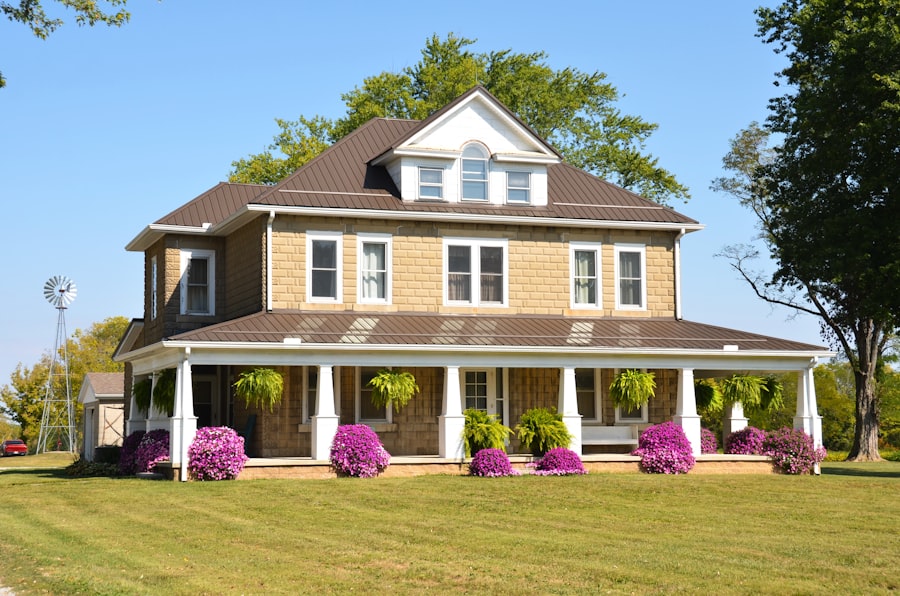
Often called a 'granny annexe' or 'secondary dwelling', a granny flat is typically a small, self-contained living unit built on the same grounds as a main house. It usually has its own entrance, kitchen, bathroom, and living space. Fair enough, the term 'granny flat' might sound a bit informal, but it perfectly captures the common use. The concept of a Granny Flat Ireland has gained serious traction, not just for family but as a savvy way to maximise your property's potential. According to the CSO reported data, the demand for flexible living arrangements has been steadily rising, making these units more popular than ever.
Key Features of a Modern Granny Flat
Today's builds aren't just a basic room in the garden. They can be stylish, energy-efficient, and really comfortable. Think proper insulation, modern fittings, and maybe even a little patio area. The goal is to create a home within a home.
Why Consider Building One? The Benefits are Clear
Look, the reasons to build a Granny Flat Ireland are as varied as the families who build them. Here are a few compelling ones:
- Family Proximity: Keep loved ones close but with their own private space. It's a win-win for care and companionship.
- Financial Sense: It can provide a rental income stream. According to the RTB, specific tenancy rules apply to these units, but they can be a solid investment. You could also use it for short-term lets, though that's a different regulatory ball game.
- Property Value: Adding a functional, permitted dwelling can significantly increase the overall value of your property.
- Flexibility: It’s not just for granny! It can be a home office, a studio, or a space for guests.
Anyway, beyond the practical stuff, there's a real emotional value to having family nearby without being on top of each other. My cousin said it was the best decision they ever made, saving on care costs and giving his mam a real sense of autonomy.
Navigating Planning Permission in Ireland
This is the part that makes most people take a deep breath. Planning rules can seem daunting, but they're there for a reason. To be honest, whether you need permission or not depends on the size, location, and intended use of your Granny Flat Ireland.
Practical Tip: Always, and I mean always, have a pre-planning consultation with your local authority. It's a chance to run your ideas past them informally and can save you a mountain of hassle and expense down the line. A few hundred euros for this chat could be the best money you spend.
Many granny flats fall under 'exempted development' if they meet strict conditions on size, height, and how they're used. For instance, if it's for family use and under 40 square metres, you might not need full permission. But rules change, so don't rely on hearsay. Check the current guidelines for your county.
When You Definitely Need Permission
If you plan to rent it out on the open market, if it's over a certain size, or if your property is in a special area (like a heritage site), you'll likely need to apply. The process involves drawings, notices, and a bit of patience. Remember, getting it right is crucial for your property's legal status and for when you might want to sell or value your property in the future.
Design and Building: Keeping it Grand
Once you've the planning sorted, the fun begins. Designing your granny flat should balance functionality, comfort, and blending with your existing home. You don't want it to look like an afterthought.
- Future-Proofing: Consider wider doors and step-free access. Even if it's not needed now, it adds long-term value and accessibility.
- Energy Efficiency: Aim for a high BER rating. It's better for the planet and will keep heating costs low for the occupant, which is only fair.
- Services: Plan how you'll connect water, electricity, and wastewater. Sometimes tying into your existing mains is easiest, but a separate meter might be wise for rentals.
Right so, choosing a builder is key. Get multiple quotes, check references, and see previous work. A well-built unit will cause fewer headaches, trust me.
The Money Side of Things
Let's talk euros and cents. Building a granny flat isn't cheap, but it can be a very sound financial move. Costs vary wildly based on size, finish, and site access, but you should budget carefully. Think about financing options—some banks offer home improvement loans for this very purpose. If you're renting it out, the income can help offset the cost over time. And don't forget, adding a legitimate Granny Flat Ireland to your property can be a major asset. If you're exploring finance options, you might want to register for financial advice to see what products could suit your plan.
Tax and Rental Implications
If you become a landlord, even to a family member at a reduced rent, you need to know the rules. The RTB has clear guidelines on tenancies, deposits, and rights. Rental income is also subject to tax, so factor that into your calculations. It's not just about collecting rent; it's a proper business arrangement. Getting this wrong can lead to disputes, and nobody wants that with family.
Making the Decision: Is it Right for You?
Building a Granny Flat Ireland is a significant commitment. It's not just a construction project; it's a lifestyle change. Ask yourself the hard questions: Is there genuine long-term need? Do you have the finances in place? Are you prepared for the responsibility of being a landlord if you go that route? Talk to your family openly about expectations. The CSO reported that multi-generational living is on the rise, so you're part of a growing trend. But your situation is unique.
Anyway, if you've weighed it all up and it still seems like a good idea, then go for it. Start with that pre-planning meeting and go from there. The process can be smooth if you're organised and informed. And remember, once it's built, you've not just added a structure; you've created a home. For more insights on property investments and making the most of your assets, take a look at our property investment guides.
So, there you have it. Building a granny flat here can be a grand move, literally bringing your family closer together. It takes planning, patience, and a fair bit of work, but the rewards—financial, practical, and emotional—can be immense. Best of luck with your project!
Frequently Asked Questions
Do I need planning permission for a Granny Flat in Ireland?
Yes, you usually need planning permission for a granny flat in Ireland, unless it's a small, temporary structure under 25 square meters.
How much does it cost to build a Granny Flat in Ireland?
Costs vary, but a basic granny flat in Ireland typically ranges from €30,000 to €60,000, depending on size and finishes.
Can I rent out my Granny Flat in Ireland?
Yes, you can rent it out, but you must comply with local rental laws and ensure the property meets building and safety standards.
What are the size limits for a Granny Flat in Ireland?
There's no strict size limit, but for exempted development, it must be under 25 square meters and used for a family member.
How long does it take to build a Granny Flat in Ireland?
Construction usually takes 8 to 12 weeks, but planning permission can add several months to the timeline.