Buying a First Car in Dundalk: Key Tips
Everything you need to know about buying a first car in Dundalk, including motor tax, NCT tests, and top local tips.
Buying your first vehicle gives you a fantastic sense of independence across County Louth, whether you are commuting daily along the M1 motorway, driving to lectures at Dundalk Institute of Technology, or taking a quick weekend trip down to Blackrock beach. However, buying a first car in Dundalk requires careful planning so you do not end up spending far more money than necessary on insurance, maintenance, or tax. Between selecting an manageable engine size and navigating the local used car market around town, having a structured approach makes the entire process far smoother.
The local car market in Louth offers plenty of variety, ranging from compact city hatchbacks ideal for tight parking spots near Clanbrassil Street to reliable mid sized saloons built for long commutes. Taking the time to evaluate your exact driving habits before putting down a deposit will help you avoid costly mistakes and secure a car that fits your daily life and budget.
Budgeting Beyond the Sticker Price
When you sit down to calculate your budget, the purchase price displayed on the windscreen represents only part of the overall commitment. First time car buyers in Ireland face several upfront running expenses that can easily match or exceed the initial purchase cost over the first twelve months of ownership.
Insurance and Motor Tax Considerations
For most new drivers, insurance is the largest ongoing cost. Official guidance from the Road Safety Authority highlights that vehicle age, safety technology, and engine size directly influence insurance risk categories. A compact vehicle equipped with a 1.0 litre or 1.2 litre petrol engine will generally attract significantly lower quotes than a larger, more powerful model, even if both vehicles share the exact same sticker price.
Motor tax is another essential expenditure to keep in mind. Rates calculated through Revenue depend on carbon dioxide emissions for vehicles manufactured after July 2008, while older vehicles are taxed strictly according to engine size. A difference of just a few engine cubic centimetres can push your annual tax bill into a higher bracket. You can research suitable vehicles and compare engine sizes directly on our marketplace for pre owned cars to ensure your shortlisted models align with your financial plans.
Choosing the Right Fuel Type for Louth Roads
Dundalk features a unique blend of dense town centre streets, fast residential bypasses, and rapid access to major arterial routes. Choosing the right fuel type depends entirely on where and how far you plan to drive each week.
Matching Engine Type to Your Daily Route
If your daily routine involves short trips around the town centre, dropping into the Marshes Shopping Centre, or navigating local traffic along the Inner Relief Road, a small petrol vehicle or a light electric car is ideal. Diesel vehicles equipped with diesel particulate filters require regular high speed driving to burn off soot buildup. If a diesel engine only performs brief stop and start journeys inside Dundalk, the filtration system can easily become clogged, resulting in expensive repair bills at the garage.
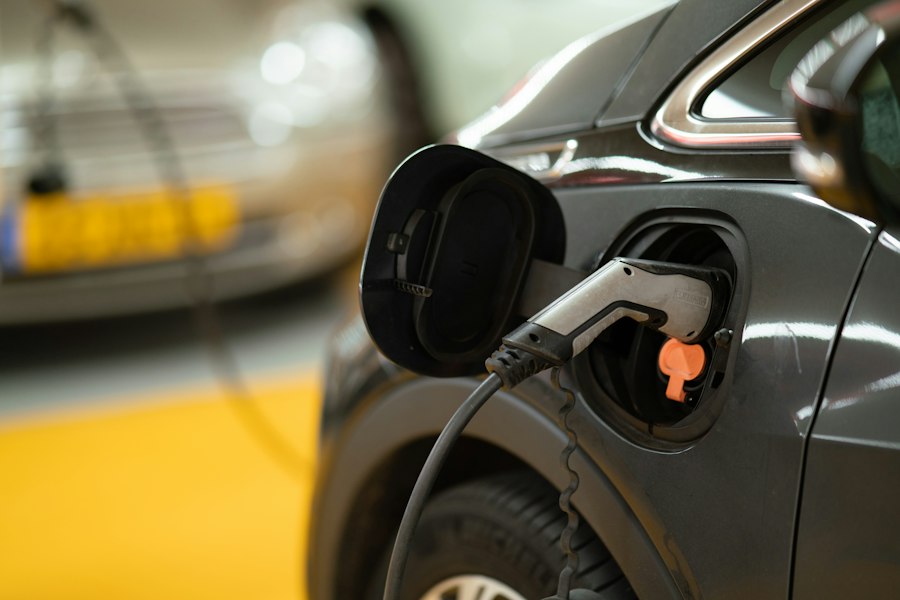
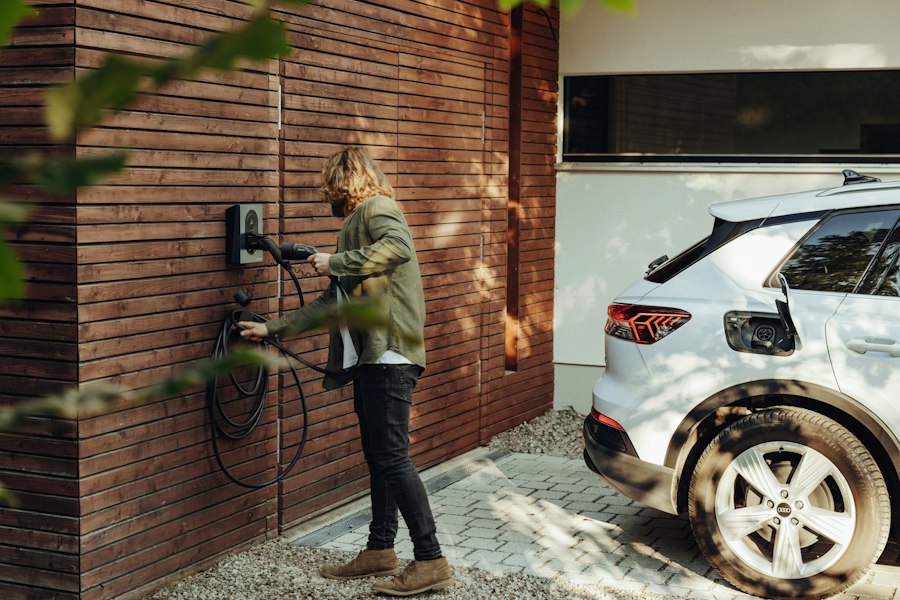
Conversely, if you travel frequently down the M1 towards Drogheda or Dublin, a modern diesel vehicle offers excellent fuel economy over long distances. For drivers interested in electric alternatives, research published by the Sustainable Energy Authority of Ireland demonstrates that home charging delivers notable savings per kilometre compared to traditional petrol or diesel power. Public charging stations situated around Dundalk have made operating an electric vehicle increasingly practical for everyday local driving.
Inspecting Used Cars in Dundalk
Whether you visit a dedicated motor dealership along Coes Road or meet a private seller in a residential area, conducting a rigorous physical inspection is critical. Never rely solely on a polished exterior or a clean valeted interior.
Use this practical checklist when examining a prospective vehicle:
- Check the National Car Test status online to verify that the vehicle holds a valid NCT certificate and review its historical test performance.
- Examine the tyres thoroughly, ensuring tread depth meets legal standards and checking for uneven wear that indicates steering misalignments.
- Look under the bonnet for evidence of oil or coolant leaks, severely corroded battery terminals, or frayed drive belts.
- Test every electrical component inside the cabin, including air conditioning, electric windows, windshield wipers, central locking, and exterior lighting.
- Inspect bodywork panel gaps carefully, as irregular gaps or paint overspray often point to previous crash repairs.
I once assisted a buyer in Louth who was thrilled to find a stylish hatchback offered at a lower price than average. A quick paper check revealed the car was due an NCT within two weeks and had two completely worn front tyres. Pointing out these issues allowed the buyer to negotiate a price reduction that covered the immediate maintenance requirements before completing the sale.
Always perform a comprehensive test drive on varied road surfaces. Take the vehicle through town traffic to check clutch smoothness and gear selection, then drive onto the N52 bypass to assess high speed braking, steering alignment, and cabin noise levels.
Paperwork and Securing the Sale
Once you are happy with the physical condition of the car and have agreed on a fair price, transferring legal ownership correctly is your top priority. Mistakes during the administrative stage can cause unnecessary delays and legal complications down the line.
Complete these steps to ensure a legal transaction:
- Verify the seller's photographic identification and confirm it matches the name listed on the Vehicle Licensing Certificate.
- Ensure both you and the seller sign the relevant sections on the logbook, and confirm that the seller will post the document directly to the Department of Transport.
- Obtain a detailed receipt showing the date, purchase price, registration number, and signature of both parties.
- Contact your insurance company to transfer your policy or activate a new policy before taking possession of the keys.
- Pay your motor tax online as soon as the ownership transfer reflects on the official register.
If you are relocating to Louth to work or study, securing reliable local transport often goes hand in hand with finding the right home. You can explore localized accommodation options through our Dundalk rental listings or browse wider housing options across our broader property listings.
Taking the Next Steps as a New Driver
Ultimately, navigating buying a first car in Dundalk does not have to be overwhelming. By establishing a clear budget that accounts for insurance and tax, picking an engine suited to your commuting distance, and performing diligent checks on vehicle history, you can buy with total peace of mind.
If you are ready to start looking for your next vehicle, register an account on our account registration page to save your custom search filters, track price updates, and connect with trusted sellers across Louth today.
Frequently Asked Questions
What is the best engine size when buying a first car in Dundalk?
Smaller engine sizes, such as 1.0L to 1.2L petrol engines, are usually best for first-time drivers to keep insurance premiums manageable in Louth.
How do I check if a used car has a valid NCT in Dundalk?
You can verify the vehicle's NCT status online using its registration number or check the physical disc displayed on the windscreen during inspection.
Is diesel or petrol better for a first car in County Louth?
Petrol is generally better for lower annual mileage and short commuting around Dundalk, while diesel suits those driving longer motorway distances daily.
What documents do I need to buy a used car in Ireland?
You will need the Vehicle Registration Certificate logbook signed by the seller, proof of payment, and valid insurance cover before driving away.
Where can I find affordable first cars in Louth?
Platforms like Findivo.ie list local sellers across Dundalk and County Louth, making it simple to compare prices and connect directly with private owners or dealers.