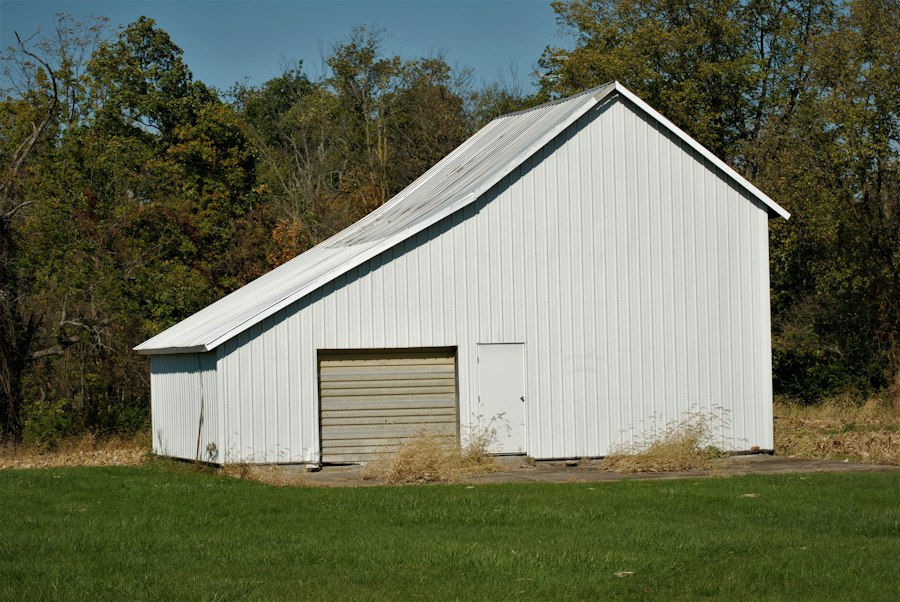
Buying a Property with a Workshop in Kildare
Looking into buying a property with a workshop in Kildare? Here is what to check regarding planning, access, and insurance.
County Kildare has long been a prime choice for buyers who need space beyond standard living quarters. Whether you are a classic car enthusiast restoring vintage vehicles, a skilled tradesperson storing high value tools, or an artisan needing a dedicated studio, buying a property with a workshop in Kildare provides the ultimate blend of accessibility and practical space. Positioned right along key transport arteries like the M4, N7, and M9, the county allows you to keep your work or hobby close to home while remaining within easy reach of Dublin.
Finding a home with an existing outbuilding or dedicated workshop requires a distinct approach compared to buying a standard residential semi-detached house. You need to look beyond kitchen finishes and bedroom counts to evaluate structural integrity, electrical supply, boundary lines, and planning compliance. In this guide, I will walk you through the essential steps to secure the right property in Kildare without running into unexpected legal or financial pitfalls.
Understanding Planning Rules for Kildare Outbuildings
One of the first questions you must answer is whether the existing workshop was constructed legally under Irish planning legislation. Kildare County Council enforces strict guidelines regarding outbuildings, sheds, and detached structures. Some small workshops fall under exempted development, but larger buildings or commercial conversions require explicit planning authorization.
According to guidelines available through Citizens Information, a detached domestic shed or workshop is generally exempt from planning permission only if it meets specific physical criteria:
- The total area of the structure does not exceed 25 square metres.
- The building is situated behind the rear wall of the house.
- The height does not exceed 3 metres for a flat roof or 4 metres for a pitched roof.
- Sufficient private open space remains at the rear of the dwelling, typically at least 25 square metres.
- The space is used solely for domestic purposes and not as a commercial workspace or habitable dwelling.
If the property you are eyeing features a massive steel clad shed or a converted agricultural barn that exceeds these dimensions, your solicitor must confirm that full planning permission was granted and that a final certificate of compliance was registered. If the seller built a large workshop without permission, you could face enforcement action from the local authority after taking ownership.
Commercial Operation versus Personal Hobby Use
There is a legal distinction between using a workshop for personal hobbies and using it to run a commercial business. If you intend to operate a motor repair garage, a manufacturing shop, or a business that brings regular client traffic to the site, domestic planning permission will not cover your activities. You will need to apply for a change of use with Kildare County Council. This process takes into account noise levels, operating hours, local traffic patterns, and environmental waste management.
Evaluating Electrical Supply and Workshop Infrastructure
A standard residential electrical connection may not meet the demands of a heavy duty workshop. If you plan to operate heavy machinery, large air compressors, hydraulic lifts, or industrial welding equipment, when buying a property with a workshop in Kildare, checking the power setup should be near the top of your checklist.
Most residential properties in rural Kildare are supplied with single phase electricity. While single phase power can handle light power tools, bench grinders, and basic lighting, heavy machinery often requires a three phase electrical connection. Upgrading from single phase to three phase power through ESB Networks can involve significant capital expenditure and potential delays, especially if the local network infrastructure needs reinforcement.
Beyond electricity, you should inspect the core structure of the workshop:
- Concrete Pad and Flooring: Check for deep cracks, shifting foundations, or signs of water ingress from beneath the slab.
- Roofing and Insulation: Older corrugated metal roofs are prone to severe condensation. Upgrading to insulated composite cladding will protect sensitive machinery and tools from dampness.
- Vehicle Access and Turning Space: Ensure the entrance gate and driveway can accommodate larger vans, trailers, or delivery trucks if you are working with substantial materials.
- Security Features: Outbuildings are frequent targets for theft. Look for solid steel doors, secure locks, and adequate outdoor security lighting.
Energy efficiency applies to outbuildings as well if you intend to heat the space during winter months. Data published by the Sustainable Energy Authority of Ireland (SEAI) highlights how proper insulation and efficient heating systems reduce long term operational costs across domestic properties. If you are browsing through our wide selection of properties for sale across Kildare, pay close attention to structural notes regarding annexes and outbuildings.
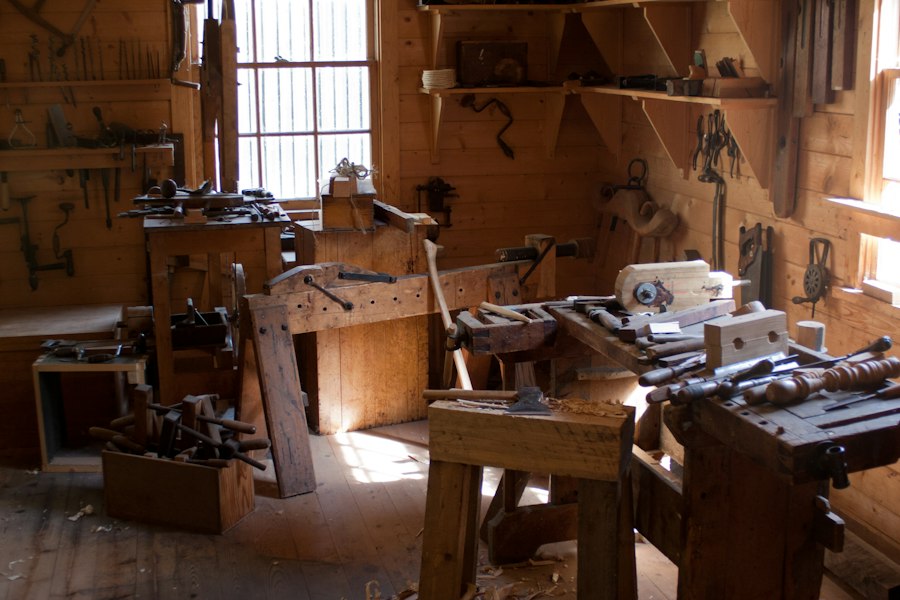
Legal Title, Boundaries, and Environmental Considerations
Rural and semi rural properties in places like Clane, Kilcullen, Athy, and Rathangan often feature generous plot sizes. However, large grounds bring specific conveyancing challenges that your solicitor must handle carefully. Boundary discrepancies are among the most common causes of property transaction delays in rural Ireland.
Boundary Maps and Land Registry Registration
Your solicitor must cross reference the physical fences and walls on the site against the official Land Registry folio map. It is not uncommon for old workshops or yard extensions to cross over historic boundary lines or encroach on neighboring agricultural land. Furthermore, if access to the workshop relies on a shared laneway, you must verify that an official right of way is documented on the legal title.
When assessing properties where you plan to store personal machinery or projects, such as those found when searching for space to store work gear or classic vehicles and equipment, double check that access gates lie entirely within your legal boundary.
Practical Tip: Always instruct your building surveyor to cross check the physical workshop boundary against the Land Registry map during your pre purchase structural survey. Resolving mapping errors after closing sales contracts can be expensive and time consuming.
Environmental management is another crucial factor. If the workshop was previously used for vehicle maintenance, engineering, or intensive farming, check for hazardous material storage, fuel tanks, or oil spills. Proper waste oil storage and drainage systems are mandatory to prevent groundwater contamination, particularly in rural Kildare where private wells and septic tanks are widespread.
Key Locations in Kildare for Finding Workshop Properties
Where you look within County Kildare depends heavily on your budget and space requirements. Central Statistics Office (CSO) residential property price index data shows that property values vary significantly between North Kildare and South Kildare.
North Kildare towns like Maynooth, Celbridge, Leixlip, and Kilcock offer outstanding proximity to the Dublin border and the M4 corridor. However, sites with substantial land and detached workshops in these areas carry a premium price tag. If you need a larger plot with expansive outbuildings at a lower entry price, expanding your search southward to locations like Athy, Castledermot, Monasterevin, or rural areas surrounding Newbridge and Kildare Town often yields better options.
Before making a final offer on any home, make sure you take time to register for a Findivo account so you receive instant alerts when new rural homes with outbuildings enter the market. You can also review current market conditions across our rental and purchase options to evaluate yield and regional property trends.
Making an Offer and Moving Forward
Succeeding in buying a property with a workshop in Kildare requires equal parts research and preparation. By carrying out thorough due diligence on planning permissions, verifying the power grid supply, and ensuring your solicitor checks every detail on the property folio, you can secure a functional space that meets your personal and working requirements for years to come.
Frequently Asked Questions
Do I need planning permission for a workshop on a Kildare residential property?
Detached domestic workshops under 25 square metres behind the main house often fall under exempted development, provided specific height and garden space conditions are met.
Can I run a commercial business from a domestic workshop in Kildare?
Operating a commercial enterprise from a domestic workshop generally requires full planning permission for a change of use from Kildare County Council.
How do I check if a workshop has three-phase power connected?
Your surveyor can inspect the main distribution board, or you can contact ESB Networks with the property's MPRN to verify current electrical capacity.
Does a workshop increase home insurance costs in Kildare?
Standard home insurance covers basic outbuildings, but storing high-value tools or operating machinery requires specific policy add-ons or commercial cover.
What structural checks are essential for a workshop building?
Ensure your surveyor inspects roof integrity, floor slab load capacity, damp-proofing, and ventilation to confirm the structure is fit for heavy domestic or craft use.