Buying a Terraced House in Dundalk: 2026 Guide
Everything you need to know about buying a terraced house in Dundalk, from local property checks to town centre amenities.
Dundalk has long held a strategic position on the east coast of Ireland. Positioned halfway between Dublin and Belfast along the M1 corridor, the town offers a practical balance of transport links, commercial infrastructure, and residential value. If you are considering buying a terraced house in Dundalk, you are looking at one of the most accessible pathways to property ownership in County Louth today. From charming nineteenth century streetscapes near the town centre to mature suburban layouts off the Avenue Road, terraced homes in this market offer character, efficiency, and long term potential for buyers across all stages of life.
Why Dundalk Terraced Homes Offer Outstanding Practicality
Terraced properties form the structural backbone of Dundalk town. Unlike modern dispersed developments that require long daily drives, many of these houses sit within walking distance of Clanbrassil Street, Marshes Shopping Centre, and Dundalk Clarke Station. This physical proximity makes them particularly attractive to commuting professionals, growing households, and buyers who want to reduce their dependence on personal vehicles.
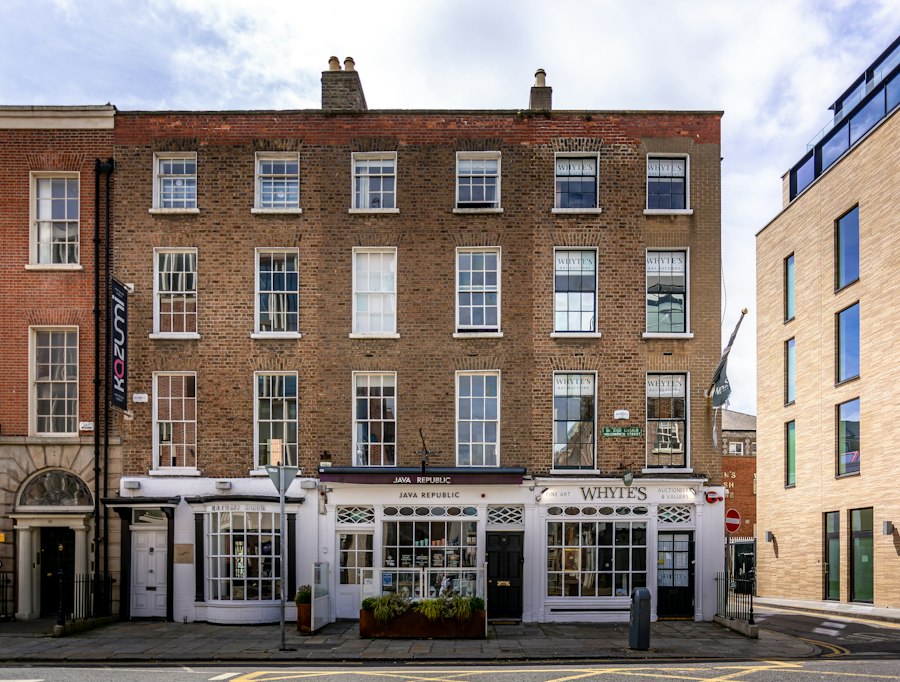
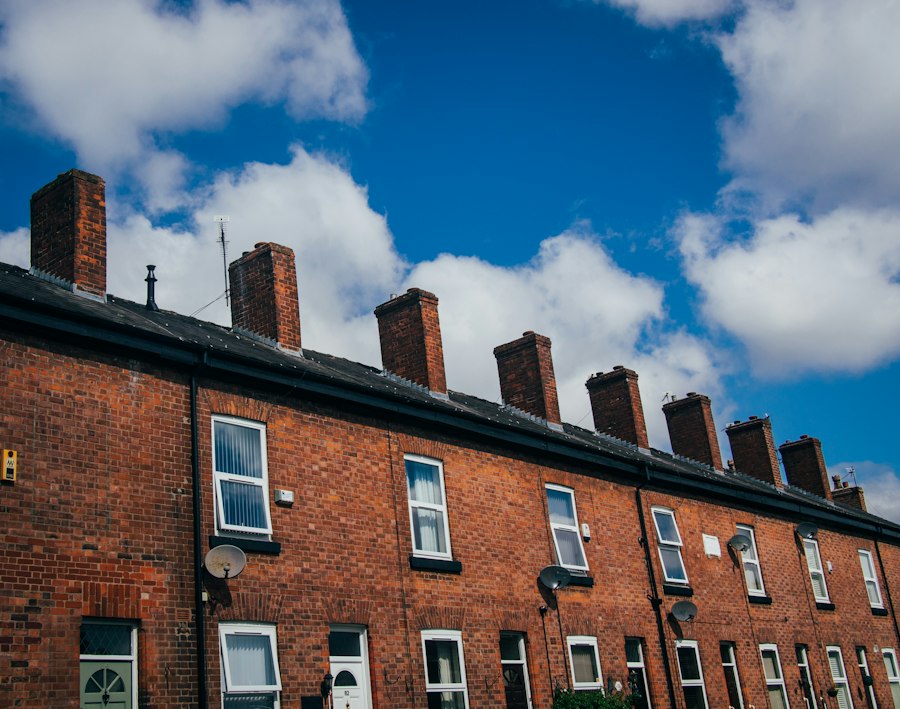
The diversity of stock across the urban footprint is another major advantage. Buyers can choose between red brick traditional townhouses, mid century suburban terraces, and modern timber frame options built in recent decades. Buyers reviewing our properties listings frequently notice that a terraced property in Dundalk yields considerably more usable interior space per euro spent when compared to equivalent housing in commuter towns further south in Meath or North County Dublin.
When assessing terraced housing in the area, buyers regularly highlight several core advantages:
- Shared thermal mass that reduces general heating demand across winter months.
- Direct walking access to rail connections, retail quarters, and primary schools.
- Manageable site footprints featuring private enclosed rear gardens or yards.
- Strong historical price resilience across key urban zones.
Key Residential Neighbourhoods to Explore in Dundalk
Location dictates both daily convenience and long term financial performance. Dundalk features distinct residential enclaves, each presenting unique benefits for perspective buyers.
The Railway Quarter and Town Core
Properties situated near Demesne, Ardee Road, and the immediate streets surrounding Clarke Station offer high ceilings, historical architectural detailing, and unmatched convenience for rail travel. For commuters using regular rail services to Dublin Connolly or Belfast Lanyon Place, living here simplifies the daily routine. While street parking is standard in these mature urban streets, the ability to walk to supermarkets and transport hubs provides immense value. If you are testing local areas while planning a future purchase, reviewing rental options in Dundalk can give you valuable firsthand experience of local neighbourhood rhythms.
Avenue Road, Castletown, and St Alphonsus
Stepping outward from the commercial core, established residential developments along the Avenue Road, Castletown Road, and St Alphonsus Road offer larger mid century terraced layouts. These homes usually boast private front driveways, long rear gardens, and immediate access to playing fields and neighbourhood shops. The layout of these mid century terraces makes them exceptionally adaptable for ground floor rear extensions or loft conversions, subject to standard planning guidelines.
Structural Considerations, BER Ratings, and Retrofit Grants
Purchasing a mid terrace or end of terrace home requires careful structural evaluation. Older properties constructed prior to modern building regulations often feature solid brick wall construction, shared chimney stacks, and unique roof connections that require specialized review during a structural survey. When buying a terraced house in Dundalk, evaluating the neighborhood layout and party wall condition early in the process saves significant time later.
Energy efficiency varies widely depending on the age of the structure. Many traditional street front terraced homes originally carry lower Building Energy Ratings, often sitting between D2 and G. However, mid terrace houses possess a built in thermal advantage because they share two internal party walls with neighboring structures, minimizing external heat loss.
Guidance from the Sustainable Energy Authority of Ireland, also known as the SEAI, highlights that retrofitting a terraced property often delivers superior energy gains per euro spent compared to detached dwellings. Available grant schemes cover external wall insulation, internal dry lining, attic insulation, and modern heat pump conversions. For example, a buyer who recently acquired an older mid terrace property on Castletown Road combined SEAI attic and wall insulation grants with an upgraded heating system, raising the property energy rating from an E1 to a B2 while dramatically lowering winter heating expenses.
Practical Tip: When reviewing a survey report for an older terraced home, pay special attention to rear access boundary rights and party wall soundproofing. Identifying these details early prevents legal and practical issues after contracts are signed.
Navigating Mortgages, Taxes, and Legalities in 2026
Securing a home in today market demands clear financial preparation. The Central Bank of Ireland sets firm lending guidelines for mortgage providers, restricting total borrowing caps relative to gross income alongside requiring a minimum ten percent deposit from first time buyers. Second time buyers must also prepare the necessary equity or cash deposit before submitting formal offers.
Information published by Citizens Information emphasizes the importance of factoring auxiliary purchase costs into your total financial plan. Legal fees, land registry charges, valuation fees, and structural survey costs must be paid out of savings rather than drawn from mortgage funds. In addition, Stamp Duty applies at a standard rate of one percent on residential property purchases up to one million euros, which must be remitted to Revenue shortly after completion.
To ensure your purchase moves smoothly from bid to key handover, consider following this systematic process:
- Obtain a formal mortgage Approval in Principle from your chosen financial institution before starting property viewings.
- Appoint an experienced local solicitor in County Louth who understands town center title deeds and local rights of way.
- Arrange a comprehensive structural survey through a qualified chartered engineer before signing binding contracts.
- Create a personal search account through our register page to receive instant alerts when fresh properties match your specified criteria.
Long Term Value and Community Living
Dundalk in 2026 continues to reap the benefits of regional public investment, educational expansion through Dundalk Institute of Technology, and improved active travel infrastructure. As flexible work patterns remain an established standard across Irish industry, buying a terraced house in Dundalk offers an ideal middle ground for professionals who want affordable, comfortable housing without disconnecting from Dublin employment hubs.
Living in a terraced neighborhood fosters strong social connections and community resilience. With deep gardens, solid construction, and walkable streets, these homes continue to prove their enduring worth. If you are preparing for a move and evaluating household transport needs as well, you can also browse used cars for sale to support your local commuting requirements around Louth.
Frequently Asked Questions
What should I check when inspecting a Victorian or Edwardian terraced house in Dundalk?
Examine the roof condition, check for timber dampness in subfloors, and verify whether rewiring or plumbing upgrades are required. It is also wise to assess shared party walls for acoustic insulation.
Are terraced homes in Dundalk town centre subject to historic building restrictions?
Some older streets fall within Architectural Conservation Areas where exterior modifications require planning approval. Always check Louth County Council's development plan before planning facade changes.
How does parking work for terraced houses in central Dundalk?
Many older terraced streets rely on on-street resident parking permits issued by Louth County Council. Newer developments or end-of-terrace properties may include private off-street parking.
What are the key advantages of choosing a terraced house in Dundalk over outer suburbs?
Terraced townhouses offer excellent walkable access to Dundalk Clarke train station, shops, and restaurants while providing good thermal efficiency due to shared adjacent walls.
Can I upgrade the BER rating of a traditional terraced property in Dundalk?
Yes, popular upgrades include internal dry-lining or external insulation where permitted, attic insulation, and upgrading timber windows to double-glazed units.