Dual Occupancy Ireland: Renovation Step Guide
Learn how to create dual occupancy in Ireland. Step-by-step guide on planning permission, costs, and rental potential.
If you own a detached house or a large bungalow in Ireland and have been watching the housing crisis unfold, you have likely considered splitting your home into two separate living units. This concept, known as Dual Occupancy Ireland, is not a new idea but it is one that has gained serious traction in recent years. Converting a single home into two self contained dwellings can provide rental income, accommodate extended family, or even offer a path to selling one unit while keeping the other. However, the renovation process is not something you can dive into without proper planning. This step by step guide will walk you through what you need to know, from initial feasibility to the final finishing touches.
1. Assess the Feasibility of Your Property
Before you even sketch a floorplan, you need to determine whether your property is suitable for conversion. Not every house in Ireland is a candidate for dual occupancy. Key factors include the existing floor area, site size, access, and parking capacity. A standard rule of thumb is that each new dwelling must have its own front door, private amenity space, and adequate natural light. If your home is a terraced house with no side access, for example, achieving separate entrances may be difficult without significant structural work. Similarly, if your site cannot accommodate two off street parking spaces, your local authority may refuse permission.
It is wise to engage an architect or a chartered surveyor at this stage. They can produce a feasibility report that identifies constraints and opportunities. According to the CSO, the number of vacant dwellings in Ireland has been decreasing, but many older homes still have the space needed for a conversion. Your surveyor will also check whether your property is a protected structure or located in an Architectural Conservation Area, both of which impose stricter rules.
2. Secure Planning Permission
Most dual occupancy conversions in Ireland require planning permission from your local authority. The exception is if you are simply creating a granny flat or a self contained annexe that is attached to your main house and falls within certain floor area limits as set out in the exempted development regulations. Even then, you must comply with building regulations, and a declaration of exemption may still be needed. For a full conversion where you intend to sell or rent the second unit independently, you will almost certainly need full planning permission.
Your architect will prepare drawings and a planning application. The key documents include a site location map, floor plans, elevations, and a design statement explaining how the conversion meets the proper planning and sustainable development of the area. The decision timeline is typically eight to twelve weeks, though it can take longer if the planners request additional information. One practical tip: consult with the planning department early. They can often point out issues that will save you time and money later.
Practical tip: Before you submit your planning application, check your local authority's development plan for specific policies on dual occupancy conversions. Some counties favour these applications as a way to increase housing supply, while others have strict parking and amenity space requirements that may not be obvious from the national guidelines.
2.1. Fire Safety and Building Regulation Compliance
Even after planning permission is granted, you must satisfy Building Control regulations. This is where many first time renovators stumble. A dual occupancy conversion must meet fire safety standards such as fire rated doors, self closing devices, smoke alarms linked to a fire alarm system, and adequate means of escape from each unit. You will need a fire safety certificate from a registered Building Control Authority. The process involves submitting a compliance report prepared by a chartered engineer or a registered building surveyor. Do not underestimate the cost; fire safety upgrades can run into thousands of euros depending on the existing structure.

3. Plan Your Budget and Financing
Converting a house into two units is not cheap. You will need to budget for structural changes, new kitchens and bathrooms, separate utility connections, soundproofing, fire safety works, professional fees, and planning costs. A rough estimate from recent projects suggests that a basic conversion can cost anywhere from €60,000 to €120,000, but this varies wildly by location and condition of the existing property. If your house is a period property, you may face higher costs for heritage compliance.
Financing options include re mortgaging your existing property, taking out a home improvement loan, or using savings. Some homeowners sell one unit post conversion to recover costs. Revenue treats the rental income from the second unit as taxable, but you can claim allowances for capital allowances on certain fixtures and fittings. According to Revenue's guidance, you may also be able to claim relief for the cost of converting a room to a rental unit under the Rent a Room scheme, but that scheme has specific limits and conditions. It is advisable to speak with a tax advisor before proceeding.
- Typical costs to consider: architectural fees (5-10% of build cost), structural engineer reports, planning application fees, Building Control fees, construction, kitchen and bathroom fitting, plumbing and electrical, fire safety upgrades, soundproofing between units, separate heating zones.
- Potential savings: if you act as project manager and co ordinate subcontractors yourself, you can reduce overheads. However, this carries risk, especially for complex conversions.
4. Design for Practical Separation
Good design is central to a successful dual occupancy conversion. You are essentially creating two homes within one shell. Each unit needs its own entrance (either separate doors or a shared hallway with a partition), its own living, sleeping, and cooking facilities, and its own bathroom. Soundproofing between the units is non negotiable if you want to avoid disputes. A common approach is to use resilient channels, acoustic insulation, and double layers of plasterboard on separating walls. Floor ceilings also need careful treatment to prevent noise transfer.
You also need to think about utilities. Can you install a second electricity meter? Most likely yes, but ESB Networks will require a separate connection and a new meter box. Similarly, water and waste connections may need upgrading. In some cases, you can run a single boiler with two heating zones, but separate gas meters may be preferred for billing clarity. The Sustainable Energy Authority of Ireland (SEAI) offers grants for energy upgrades such as attic insulation, window replacement, and heat pump installation. If your conversion involves major energy upgrades, check the SEAI website for current schemes. Note that grants may apply to the entire building, not just the new unit, so it is worth combining the renovation with a BER upgrade.
4.1. The Rental Market Perspective
If your goal is to rent out the second unit, you need to understand the rental market. According to the Residential Tenancies Board (RTB), rents have risen significantly in many areas, but the regime of rent pressure zones may cap annual increases in certain locations. Your new unit must meet the minimum standards for rental accommodation as set out in the Housing (Standards for Rented Houses) Regulations. This includes heating, ventilation, insulation, and kitchen facilities. Fail to comply and your tenant can refer a complaint to the RTB, and you could face enforcement action. It is also worth noting that if you are converting an existing house that was previously a single dwelling, your local authority may consider the new unit as a separate house for property tax purposes. Check with the Valuation Office for guidance.
- Key rental steps: register the tenancy with the RTB within one month of the start date, obtain a valid Building Energy Rating (BER) certificate for the new unit, and ensure you have landlord insurance that covers dual occupancy.
- If you intend to sell one unit separately, you will need to apply for a multi unit development scheme, which may involve creating a management company for shared areas like driveways or gardens.
5. Carry Out the Construction
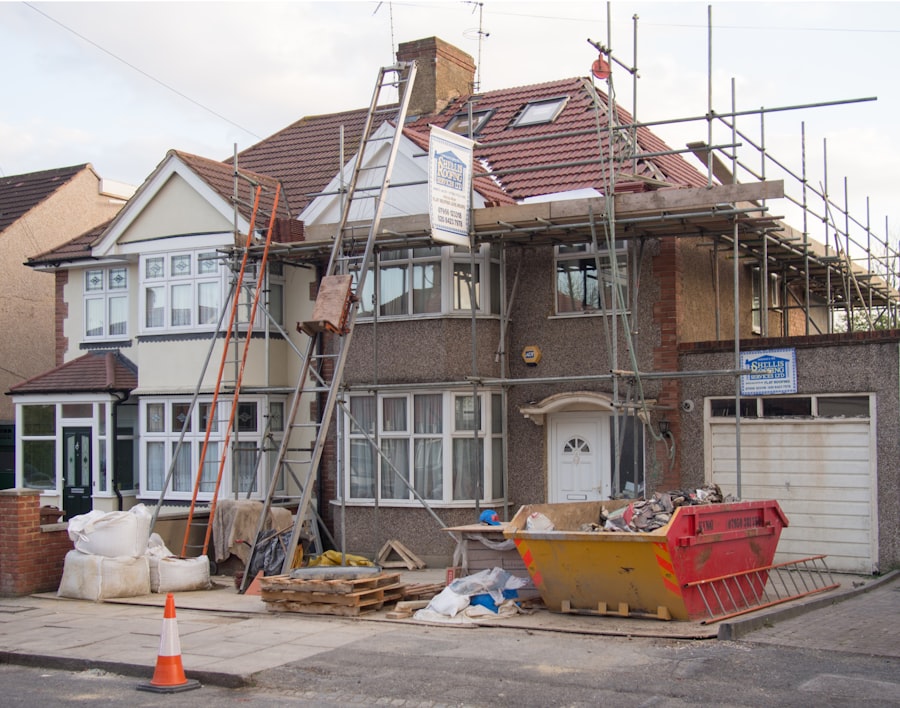
Once you have planning permission, building control approval, and financing in place, you can move to construction. Appointing a reputable builder is critical. Get at least three quotes and check references. Ask for evidence of public liability insurance and tax clearance. During the build, expect disruptions: dust, noise, and access restrictions. If you are living in one unit while the other is being renovated, factor in the inconvenience. A phased approach can help, where you complete one unit completely before starting the other. However, this often costs more because of inefficient sequencing.
Regular site inspections by your architect or engineer are essential to ensure work matches the drawings and complies with regulations. Photograph progress for your own records and for any future resale disclosure. Once construction is complete, you need a Certificate of Compliance from your Building Control Authority. You will also need to update the BER certificate for each unit. The BER assessor will visit both dwellings and issue separate ratings. This is a legal requirement before you can sell or rent either unit.
6. Final Checks and Registration
After the dust settles, there are administrative tasks to complete. If you created a new dwelling, you need to notify Revenue for property tax purposes and update the local authority's housing register. You may also need to apply for a new house number or street address if the two units will have separate postal addresses. For rental units, register each tenancy with the RTB. For a sale, your solicitor will handle the conveyancing, but you must provide all relevant certificates: planning permission, fire safety, BER, and building regulation compliance. If you are keeping the property for yourself, consider whether you want to let a family member occupy the second unit. In that case, a formal license agreement is advisable to avoid any future disputes over rights.
Dual occupancy conversions are not for everyone. They require patience, money, and a tolerance for building work. But for those who succeed, the rewards can be substantial: a second income stream, a home for an elderly parent, or the flexibility to downsize without leaving your neighbourhood. By following this step guide, you can navigate the process with confidence. If you are ready to start looking for a suitable property to convert, browse the listings on Findivo.ie for houses and apartments. You might also need a second vehicle for the new household; check out cars for sale on the same platform. Remember to register with Findivo to save your favourite searches and get alerts when ideal properties come up.
One final word of caution: the legal landscape around dual occupancy can shift. In 2026, the Government introduced a pilot scheme in some local authorities to fast track planning for small scale housing delivery, including conversions. Keep an eye on the Department of Housing website for any updates that may affect your project. For rental related queries, the RTB website is the definitive source for minimum standards and dispute resolution. And for energy grants, the SEAI portal remains the first stop. With careful planning and professional advice, your Dual Occupancy Ireland project can become a reality.
Frequently Asked Questions
What is dual occupancy in Ireland?
Dual occupancy refers to a single property divided into two separate living units, each with its own amenities and entrance.
Do I need planning permission for dual occupancy renovation?
Yes, planning permission is generally required for dual occupancy conversions in Ireland, as it changes the use or structure of the property.
What are the key steps in renovating for dual occupancy?
Key steps include checking zoning laws, securing planning permission, designing separate units, and ensuring compliance with building regulations.
Can I get grants for dual occupancy renovations in Ireland?
There are no direct state grants, but you may qualify for tax reliefs like the Home Renovation Incentive if work is carried out by a registered contractor.
What are common challenges in dual occupancy conversions?
Common challenges include meeting fire safety standards, providing adequate parking, and ensuring sewerage capacity for both units.