Electric Cars Ireland 2026: Costs, Grants & Reality Check
Thinking about going electric in Ireland in 2026? I'll cut through the hype and give you the real lowdown on costs, charging, and whether an EV is for you.
The Electric Car Boom in Ireland: 2026 Reality Check
Alright, so, it's 2026 and you can't swing a cat without hitting an electric car these days, can you? They're absolutely everywhere, not just a niche thing for the early adopters anymore. From the bustling streets of Dublin to the quiet lanes of Kerry, I'm seeing more and more of them zipping about. And here at Findivo.ie, where I spend my days sifting through everything from apartments to rent to cars for sale, the listings for electric cars Ireland 2026 are just flying up.
There's a serious buzz around EVs, and fair enough, too. We're all thinking about the planet a bit more, and let's be honest, the price of petrol and diesel has been nothing short of a headache for years. But for a lot of folks, the big question still looms: are electric cars actually a grand idea for the average Irish driver right now? It's easy to get caught up in the hype, but I'm here to give you the straight talk, from someone who sees the nuts and bolts of the car market every single day. Let's peel back the layers and see what the craic really is with electric cars Ireland 2026.
The Numbers Game: What's the Craic with EV Costs in 2026?
When you're thinking about any big purchase, especially a car, it always comes down to the euro, doesn't it? Electric vehicles still tend to have a higher upfront sticker price compared to their petrol or diesel equivalents. That's just the reality of the technology. But don't let that put you off straight away, because the picture changes a good bit when you look at the bigger picture.
-
Grants and Incentives: The government and the Sustainable Energy Authority of Ireland (SEAI) have been pushing EVs for years, and while some of the really generous grants have naturally tapered off as the market matures, there are still supports available. For instance, new private cars that are BEVs (Battery Electric Vehicles) can still get a grant, though it's not what it once was. You'll also find some Vehicle Registration Tax (VRT) relief is still in play, which can shave a few quid off the initial cost. And remember, motor tax for EVs is still a good bit lower – a proper job, that.
-
Running Costs: This is where EVs really shine. Charging up at home, especially if you're on a night-saver electricity tariff, is significantly cheaper than filling up a tank. Even public chargers, while pricier, still often work out better in the long run. I was chatting to a fella last month, a plumber up in Louth, who reckoned he was saving nearly €100 a month on fuel since he got his electric van. He logs every charge, so he'd know! Maintenance costs are also generally lower; fewer moving parts means less to go wrong.
-
Depreciation: This used to be a big worry for early EV adopters. Would the battery pack give up the ghost, leaving them with a car worth nothing? Thankfully, battery technology has come on leaps and bounds. While all cars depreciate, second-hand EVs are holding their value much better now. There's a strong demand for them, especially the more popular models you'll find on Findivo's used car listings.
Seán's Tip: When you're budgeting for an EV, look beyond the purchase price. Factor in the SEAI home charger grant, lower motor tax, and significantly reduced running costs over a typical ownership period. It often evens out a lot quicker than you'd think.
Charging Up: Infrastructure, Range Anxiety, and Battery Health
One of the biggest concerns I hear from people, especially those living outside the main cities like Dublin or Cork, is about charging. Is it a nightmare? Will you be stranded in the middle of Tipperary with a flat battery?
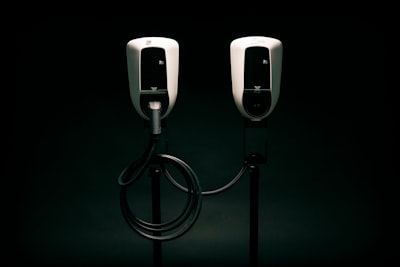
Right, so, let's be honest, home charging is still the most convenient option for most. If you have off-street parking, getting a home charger installed is a no-brainer, and there are still SEAI grants to help with that cost. It means you can wake up every morning with a 'full tank', ready to go.
Public charging infrastructure, to be fair, has come on a massive amount in the last few years. EirGrid's projections for renewable energy and the associated network upgrades mean more reliable charging. There are more rapid chargers popping up in places like motorway service stations, shopping centres, and even rural towns across Galway, Limerick, and Donegal. It's not perfect everywhere, mind you, and sometimes you'll find a charger out of order or busy, but it's a far cry from what it was a few years back. The CSO's latest vehicle registration figures show the growth in EVs, which naturally puts pressure on the infrastructure, but the investment is following.
As for 'range anxiety', for most daily commutes, it's really not an issue anymore. Most modern EVs will easily do 300-400km on a full charge, with some going even further. Are you really driving from Wexford to Mayo and back every single day? Probably not. A quick bit of planning for longer trips, using apps to locate chargers, and you'll be grand.
What About the Battery? Used EVs and Longevity
This is a fair point, especially if you're looking at a second-hand electric car. We used to hear horror stories about batteries degrading badly. But with current technology, those fears are largely outdated. Most EV manufacturers offer long warranties on their batteries, often 8 years or 160,000 km, guaranteeing a certain percentage of capacity remains.
When you're looking at used EVs on Findivo.ie, it's always a good idea to ask about the car's service history and if there are any reports on battery health. Many newer models even have in-car diagnostics that can tell you the battery's 'State of Health' (SOH). A well-maintained EV with a decent SOH should serve you well for many years to come.
The Green Question: Are EVs Truly Better for Ireland?
Look, we all know the big selling point for EVs is their environmental benefit. No tailpipe emissions means cleaner air in our towns and cities, which is a massive win. But you'll always hear the argument about the manufacturing process and the electricity coming from power plants. Fair enough, those are valid points.
However, the grid in Ireland is getting greener all the time. EirGrid has ambitious targets for renewable energy integration by 2030, and we're seeing more wind and solar farms coming online constantly. So, the electricity you're using to charge your car is increasingly coming from sustainable sources. From a holistic perspective, especially with Ireland's climate action goals, the push for EVs is absolutely essential. It's a big part of how we're going to meet those targets and ensure a cleaner future for the next generation.
Is an Electric Car Grand for You? Things to Ponder
So, after all that, should you take the plunge and consider an EV? Here are a few things I'd suggest you think about before you make any decisions:
-
Your Lifestyle: Do you mostly do short commutes, or are you regularly traversing the length of the country? Do you have access to off-street parking for home charging? If your daily driving fits within the typical range of an EV and you can charge at home, then you're already in a great position.
-
Your Budget: While the upfront cost is often higher, remember those long-term savings on fuel, motor tax, and maintenance. Can you afford the initial outlay, or are you looking at financing options? On Findivo, you'll find a huge range of electric cars, from more affordable city models to high-end SUVs, so there's usually something for every budget.
-
Property Considerations: This is my area too, of course! If you're a homeowner, installing a charger is straightforward. If you're renting, it's a bit trickier. I was talking to a landlord in Cork last week who's actually installed EV chargers in a few of his rental properties around Douglas and Ballincollig, and he told me it's been a massive draw for tenants, especially for professionals. So, if you're a landlord, it's something to think about, and if you're a tenant, it's definitely worth asking about when looking at rental properties.
My two cents? Electric cars aren't for absolutely everyone just yet, but they're getting closer to being a viable, practical choice for a huge number of Irish drivers in 2026. The technology is better, the infrastructure is improving, and the long-term savings are compelling.
Do your research, think about your own driving habits, and definitely go for a test drive or two. When you're ready to explore your options, whether it's new or second-hand, you know where to look. Findivo.ie has one of the biggest selections of electric cars for sale across all 32 counties. Happy motoring, whatever you choose!
Frequently Asked Questions
What are the estimated costs for electric cars in Ireland in 2026?
Prices for new electric cars in Ireland in 2026 are expected to start around €25,000 for smaller models, with many popular options ranging from €30,000 to €50,000.
What grants are available for electric cars in Ireland in 2026?
The SEAI grant offers up to €3,500 off the purchase price, and the VRT relief of up to €5,000 continues, making EVs more affordable.
Will the electric car grant in Ireland end in 2026?
No, the SEAI grant and VRT relief are confirmed to continue through 2026, though they may be reduced slightly from 2025 levels.
How much does it cost to charge an electric car in Ireland in 2026?
Home charging costs about €4-€6 for a full charge, while public fast chargers range from €10-€20 depending on the network and speed.
Is 2026 a good time to buy an electric car in Ireland?
Yes, with more affordable models arriving, stable grants, and growing charging infrastructure, 2026 is a solid year to switch to electric in Ireland.