EV Charging Tips for Irish Car Owners
Practical EV charging tips for Irish car owners to save money, extend battery life, and find chargers across Ireland with Findivo.ie.
EV Charging Tips for Irish Car Owners: A Handy Guide
Right so, let me kick this off properly. Finding solid EV Charging Tips for Irish Car Owners is a bit like looking for a decent pint of Guinness in a foreign country… doable, but you need to know where to look. To be honest, when I first got my electric car, I was buzzing. I thought I was saving the planet and dodging the pricey petrol stations. And I was, mostly! But the first few weeks were a steep learning curve.
I remember driving from Dublin to Galway one rainy Friday evening. I was full of confidence, but I was sweating bullets over whether I would make it to the next charger near Athlone. The range indicator was dropping faster than the temperature outside. When I finally pulled into the services, I found the rapid charger surrounded by cones. Someone had parked a diesel van in the EV spot. Grand altogether. I had to wait forty minutes for the spot to clear. Anyway, the experience taught me a thing or two. So, I have put together these essential EV Charging Tips for Irish Car Owners to help you navigate the world of kilowatts and charging networks without the same headache.
Getting Started with Home Charging
Look, if you can charge at home, you are winning. It is by far the cheapest and most convenient way to keep your car topped up. The CSO reported that the vast majority of EV owners in Ireland primarily charge at home, and it is easy to see why. You just plug in when you get home, set the timer, and wake up to a full battery. No queues, no wet forecourts, no hassle.
Installing a Home Charger
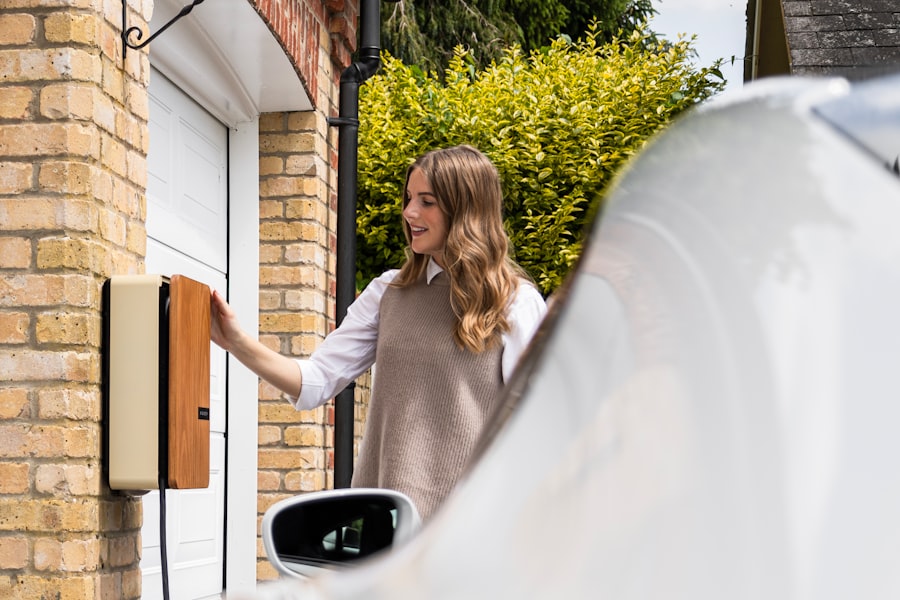
You will need a dedicated wall box. A standard three-pin plug works in a pinch, but it is slow. Very slow. We are talking 24 hours to fully charge a bigger battery. A proper 7kW home charger will do the job in 6 to 8 hours. When you are buying a property, checking for a charger or the capacity to install one is a must. Have a browse of our properties listings to see what is available with EV readiness.
Renting and Charging Rights
Now, what if you are renting? According to the RTB, if you are renting a property, you need your landlord's written permission to install a permanent charger. Fair enough, it counts as a material alteration to the property. However, many landlords are open to it because it adds serious value to the property. If you are looking for a place to rent that already has the infrastructure, you can filter by amenities on our rental properties page.
Mastering Public Charging Networks
Right so, let us talk about the public network. This is where a lot of people get overwhelmed. There are loads of networks: ESB ecars, Ionity, EasyGo, ChargePoint, and others. You need an app for each. It can feel like a mobile phone SIM card collection, but you get used to it. For new EV Charging Tips for Irish Car Owners, getting the apps set up before you actually need them is half the battle.
- ESB ecars: The backbone of Irish public charging. Covers the majority of standard AC and DC chargers around the country. Get the app and the RFID card.
- PlugShare: This is a crowd sourced map of chargers. It shows you where chargers are, if they are working, and what other users are saying. Vital for long trips.
- A Better Route Planner (ABRP): Plan your journey with charging stops calculated automatically based on your car model and the weather.
Practical Tip: Always carry a Type 2 cable in your boot. Many destination chargers at hotels and shopping centres do not have a tethered cable. If you leave your cable at home, you are stuck. It is the single most common mistake I see. Do not let it be you.
Let us look at some EV Charging Tips for Irish Car Owners specifically for life on the motorway. Rapid charging is for going, not for parking. Once you are over 80%, the charging speed slows right down to protect the battery. It is usually faster to unplug and move on to the next charger than to wait for that last 20%.
Maximising Your Battery Range
To be honest, range anxiety fades after a few months, but getting the most out of your battery is smart driving. This is crucial knowledge for any car owner. The way you drive an EV is different to a petrol car.
- Preheat while plugged in: On a cold morning, heat the cabin while the car is still connected to your home charger. This uses grid power, not your battery power.
- Use regenerative braking: In town or on descending hills, set your regen to high. It captures energy and puts it back into the battery. It feels odd at first, but you will love it.
- Keep tyres inflated: Underinflated tyres kill range in an EV much faster than in a petrol car. Check them monthly.
Understanding Charging Speeds
Not all chargers are equal. You have AC (Alternating Current) and DC (Direct Current). AC is slower, usually 7kW to 22kW. This is what you find at work or in town centres. DC is rapid or ultra rapid, ranging from 50kW up to 350kW. You find these along the motorway. Knowing the difference saves you time. If you are looking for a car that handles these speeds well, check out our selection on the cars page.
Planning for the Long Haul
Right so, you want to drive from Cork to Donegal? No problem at all. The infrastructure has gotten much better. The CSO reported a massive jump in the number of public charge points in the last few years, especially along the major routes. You just need to plan your stops a little bit.
Look, the best EV Charging Tips for Irish Car Owners for long trips is to have a backup plan. If the first rapid charger is busy or broken, where is the next one? PlugShare will tell you instantly. Do not let your battery drop below 10% if you can help it, because if that charger is out of order, you are in trouble.
Anyway, those are my top EV Charging Tips for Irish Car Owners. It is a bit of a shift from filling up at the forecourt, but it is worth it. Fair enough, it takes a bit of planning, but once you get into the groove, it is grand. The peace of mind of driving past the petrol stations with their volatile prices is fantastic. If you are still thinking about making the switch, or you need a home that supports your new lifestyle, do not forget to register on Findivo to save your favourite properties or cars. Safe driving, everyone.
Frequently Asked Questions
How long does it take to charge an EV in Ireland?
Charging time varies – home charging on a standard socket takes 8-12 hours, while fast public chargers can give 80% battery in 30-45 minutes.
Where can I find public EV charging stations in Ireland?
Public chargers are widely available at motorway service stations, shopping centers, and town car parks – check apps like ESB eCars or Charge Point.
What is the best EV charger for my home in Ireland?
A 7kW home wallbox is recommended for faster charging, and you can get a grant of up to €600 for installation under the SEAI scheme.
How much does it cost to charge an EV per km in Ireland?
Charging at home costs about 3-5 cents per km on night rate electricity, while public rapid chargers can be 10-15 cents per km.
Are there any EV grants or incentives for Irish car owners?
Yes, you can get up to €5,000 off the purchase price under the EV grant scheme, plus support for home charger installation and no VRT if the car is under €50,000.