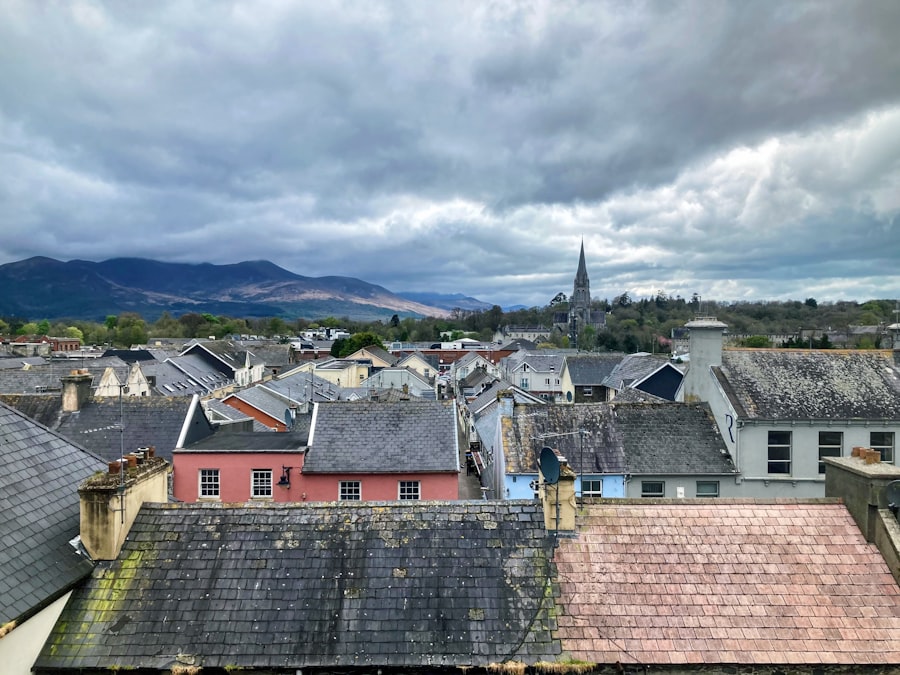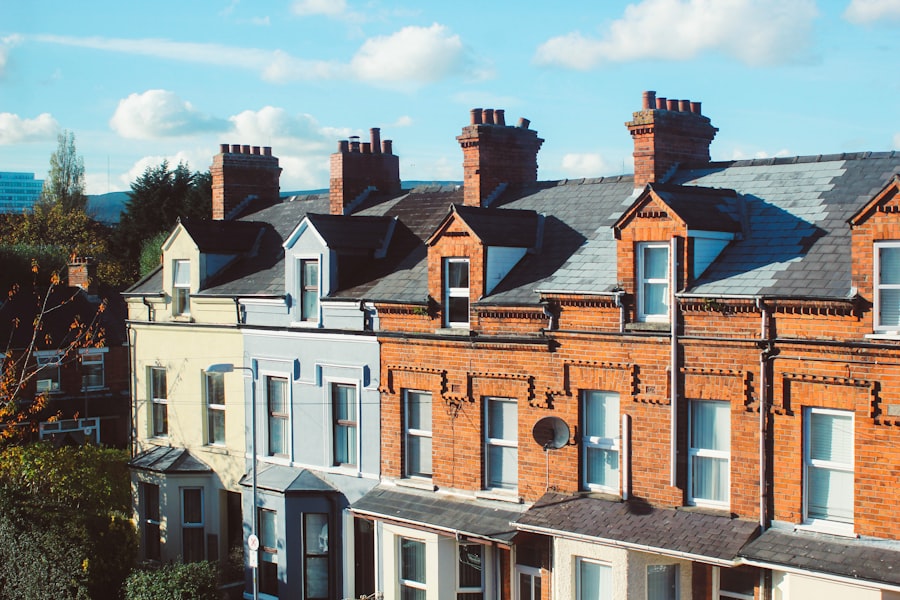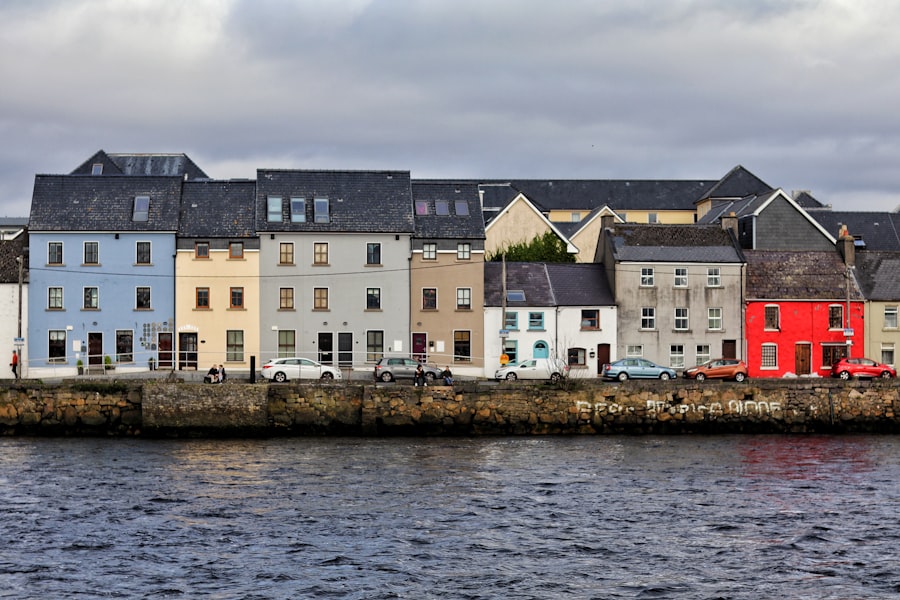
First Home Scheme Ireland Complete Guide 2026
First Home Scheme Ireland helps buyers bridge the gap between savings and purchase price. This complete guide covers eligibility, application, and more.
If you are searching for a way to buy your own home without needing a massive deposit, you have probably heard about the First Home Scheme Ireland. Well, you have come to the right place because this is your complete guide for 2026. To be honest, when I first looked into the scheme I thought it was some sort of trick. But after talking to a mortgage advisor and actually going through the process with a friend, I realised it is grand once you know the rules. Right so, let us break it down properly.
What Exactly Is the First Home Scheme Ireland?
The First Home Scheme Ireland is a government backed shared equity initiative. It helps first time buyers and certain other purchasers bridge the gap between what you can borrow from a bank and the price of a new home. Essentially, the state takes a stake in your property, up to a certain limit, and you only need a deposit of 10% of the purchase price. Fair enough, you might think, but how does it actually work? Look, it is not free money. The scheme takes a percentage of your home's value and you can buy back that share later or when you sell. According to the RTB, the scheme has helped thousands of people get on the ladder since it launched, and the numbers are only growing in 2026.
Anyway, the key point is that the First Home Scheme Ireland is designed for new builds and, in some cases, self build homes. You cannot use it for an old cottage that needs a lot of work, unless it is a complete renovation under certain rules. The maximum property price varies by county, so check the current limits on the official site or on Findivo. For example, in Dublin the ceiling is higher than in Leitrim, to be honest. That makes sense because house prices are all over the shop.
Who Can Apply for the First Home Scheme Ireland?
You need to be a first time buyer, or if you are a divorced or separated parent who previously owned a home but no longer does, you might also qualify. The scheme also applies to some people who have been approved for a local authority affordable housing scheme. But let us stick with the most common case: you and your partner are buying your first home together.
- You must have a mortgage approved for at least 50% of the property value.
- Your total gross household income cannot exceed EUR 65,000 for a single applicant or EUR 75,000 for a couple (and higher for certain regions like Dublin).
- The property must be a new build or a self build that meets certain criteria. No second hand homes, sorry.
Right so, if you tick those boxes, the First Home Scheme Ireland can cover up to 20% of the purchase price in most cases, and up to 30% in Dublin and some other areas. The state takes that percentage as an equity stake. That means if you sell the house later, they get that percentage of the sale price, not just the amount they put in. Grand, but you need to understand that your share of the profit is reduced accordingly.
What About the Deposit?
You still need a 10% deposit. The scheme does not cover that. So if you are buying a EUR 400,000 house, you need EUR 40,000 from your own savings. The bank lends you 70% (EUR 280,000), the scheme covers 20% (EUR 80,000), and you put down the 10% deposit. That adds up to 100%. No negative equity risk at the start, but remember if the market drops, your equity share and the state's share both fall. To be honest, it is a solid option if you have the deposit but cannot get a big enough mortgage.
Practical Tip: Before you apply for the First Home Scheme Ireland, get a mortgage approval in principle from your bank or a broker. The scheme works with that approval, and it saves a lot of hassle later. Also, check the Findivo property listings for new developments that are eligible. Many builders have already registered their schemes with the state.
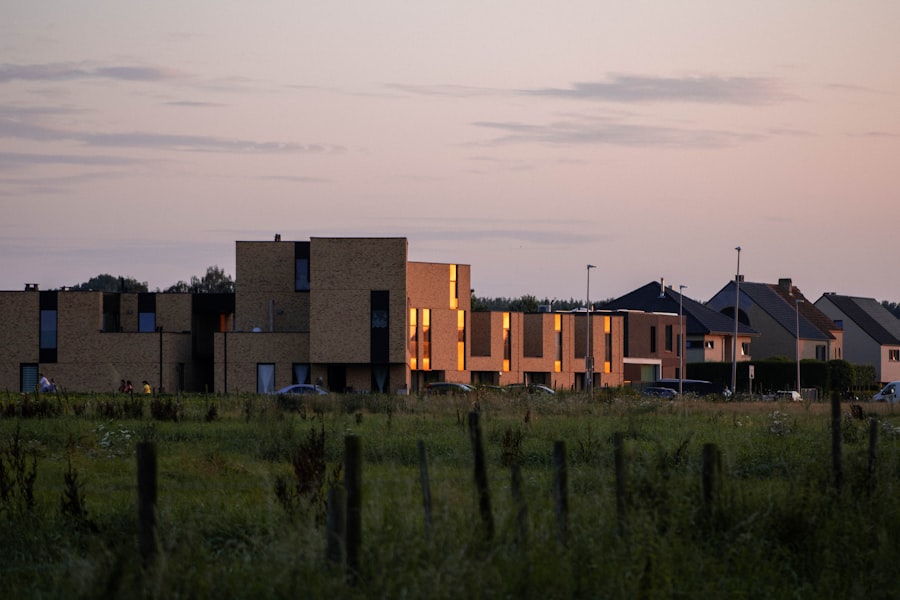
How to Apply for the First Home Scheme Ireland in 2026
Right so, the application process is fairly straightforward, but you need to be patient. The CSO reported that the average processing time for a scheme application is around six to eight weeks as of early 2026. That might feel like an eternity when you are trying to secure a house, but it is worth it.
- Step 1: Find a new build that you want to buy. Check on Findivo.ie for new homes or ask your estate agent.
- Step 2: Get a mortgage approval for at least 50% of the property price. The scheme needs to see that you can borrow a decent chunk.
- Step 3: Apply online through the official First Home Scheme portal. You will need your mortgage approval letter, proof of income, and details of the property.
- Step 4: Wait for approval. They will assess your eligibility and the property price.
- Step 5: If approved, you sign the deed with the scheme included. The scheme pays its share to the builder on completion.
Anyway, a personal anecdote: my cousin Sarah used the scheme to buy a three bed semi in Kildare last year. She was pulling her hair out waiting for the approval, but she said the worst part was explaining it to her mam. "Mam, it is not a loan, it is a stake." Her mam kept saying, "But you still owe them money?" Fair enough, it is confusing. But Sarah paid for the scheme's share back after three years when she got a promotion, and now she owns the house outright. It worked out grand for her.
What Happens When You Want to Sell or Buy Out the Scheme?
There are two main ways to handle the state's equity share. You can buy it back gradually or all at once, or you can pay it off when you sell the property. You have the option to buy out the scheme at any time, but you need to pay the current market value of that share. So if you bought a house for EUR 300,000 and the state took 20% (EUR 60,000), and now the house is worth EUR 400,000, you would need to pay EUR 80,000 to buy them out. That is a bit steep, to be honest, but if you are staying in the house long term, you can just let it sit. The state does not charge rent on its share, so no monthly cost. But it does mean you own less of your home.
If you sell the house, the scheme gets its percentage of the sale price. Simple enough. There is no additional penalty, but you need to factor that into your own profit. Look, many people treat the First Home Scheme Ireland as a stepping stone. You buy, live there for five or ten years, and by then the property value may have gone up, and you can either buy out the state or sell and move on. It is not perfect, but it beats renting forever.
Can You Rent Out a Home Bought With the Scheme?
No, absolutely not. The scheme is for owner occupiers only. If you try to rent it out, you will breach the terms and the state can demand full repayment. According to the RTB, cases of non compliance are rare but can lead to legal action. So do not even think about it. If your circumstances change and you need to move, you can sell the property, but you must follow the scheme rules.
Alternatives to the First Home Scheme Ireland
Not everyone wants to give the state a share of their home. That is fair enough. There are other options like the Help to Buy scheme for new builds, which gives you a tax rebate of up to EUR 30,000. Or you could look at the Local Authority Home Loan, which offers low interest rates for eligible buyers. And if you are open to buying an older property, you can browse Findivo rental listings to see what is available in your area, though that is for renting, not buying. For cars, well, that is a different story. But if you need a vehicle to get to work, check out Findivo cars for a decent second hand motor.
Anyway, the First Home Scheme Ireland is a solid choice if you meet the income limits and want a new build. It has helped thousands of people, and with house prices still climbing in 2026, it might be your best shot. Just remember to read the fine print, talk to a mortgage broker, and shop around. And if you are looking for a property that qualifies, head over to Findivo.ie and filter for new homes. You can also register for alerts so you do not miss a new listing. To be honest, the hardest part is finding the right house. The scheme itself is actually straightforward once you get your head around it.
So there you go. That is your complete guide to the First Home Scheme Ireland for 2026. I hope it helps you take that first step without too much stress. Right so, go on and check your eligibility. It might just be the key to your own front door.
Frequently Asked Questions
What is the First Home Scheme Ireland?
It is a State-backed shared equity scheme helping first-time buyers and other eligible purchasers bridge the gap between their deposit and mortgage and the price of a new home.
Who is eligible for the First Home Scheme in 2026?
First-time buyers, certain previously owning home 'fresh start' applicants, and those purchasing a new build home valued up to €500,000 are typically eligible, subject to income limits.
How much equity does the scheme provide?
The scheme can provide up to 30% of the purchase price of the property (or 20% in some cases), with the state and participating banks contributing equally.
Do I have to repay the equity to the scheme?
The equity does not incur interest but must be repaid when you sell the home, or after 25 years, or if you reach a certain income threshold, whichever occurs first.
Can the First Home Scheme be combined with other supports?
Yes, it can be used alongside the Help to Buy Scheme and a mortgage from a participating bank, but affordability limits apply.