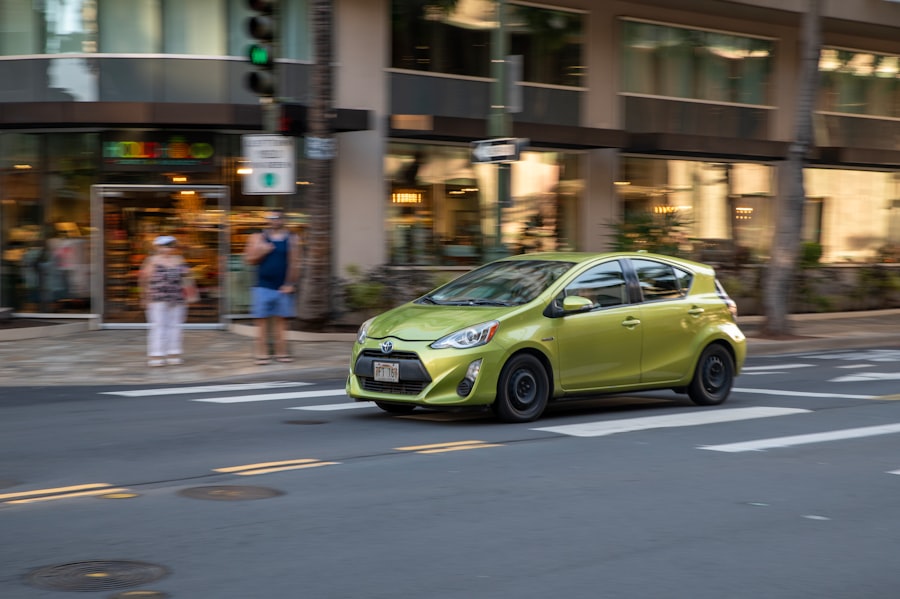
Guide to Japanese import cars Ireland
Thinking of buying Japanese import cars Ireland? Here are the key details on insurance, immobilisers, and radio band expanders.
If you have spent any time driving on Irish roads recently, you have likely noticed an influx of exceptionally clean, high specification hatchbacks and hybrids. From the quiet suburban streets of Dublin to the rural roads of Galway, the demand for Japanese import cars Ireland has grown significantly over the last decade. Drivers are drawn to these vehicles because they offer a compelling mix of reliability, advanced technology, and excellent value for money. Whether you are looking to browse quality cars for sale or considering importing a vehicle yourself, understanding this unique market is essential for making a smart investment.
Why Japanese Imports Dominate the Irish Market
The popularity of vehicles sourced from Japan is not an accident. It is driven by the unique automotive culture and regulatory environment in Japan. The Japanese roadworthiness test, known as the Shaken, is incredibly strict and becomes progressively more expensive as a car ages. This financial pressure encourages Japanese motorists to sell their vehicles after just a few years of ownership, even when the cars have very low mileage and are in pristine condition.
Furthermore, Japan is a right hand drive market, meaning their cars are perfectly configured for Irish roads. Unlike vehicles imported from continental Europe, there is no need for complex steering conversions or headlight adjustments to suit our driving lanes. Japanese motorists also tend to take meticulous care of their vehicles, and because salt is rarely used on Japanese roads during winter, the undercarriages of these cars are generally free from the rust and corrosion commonly found on local UK or Irish trade ins.
- Low genuine mileage due to excellent public transport networks in major Japanese cities.
- Superior standard specifications, often featuring advanced climate control, parking cameras, and premium infotainment systems.
- A vast selection of highly efficient petrol hybrid models, which are perfect for reducing fuel costs.
- Excellent structural condition, with minimal exposure to road salt or harsh winter driving conditions.
Navigating the Import Process and Irish Taxes
While the prospect of buying a clean, high spec vehicle is exciting, the importing process involves navigating a complex web of Irish taxes and import duties. Since Japan is outside the European Union, importing a vehicle directly from there requires careful financial planning. According to official guidelines from Revenue, any vehicle imported from a non European Union country is subject to customs duty, Value Added Tax, and Vehicle Registration Tax, commonly known as VRT.
Calculating VRT and Customs Duties
Customs duty is typically calculated at ten percent of the purchase price of the car plus the shipping costs. Once this is established, VAT at the standard rate is applied to the combined value of the car, shipping, and customs duty. Finally, when the car arrives in Ireland, you must present it at an National Car Testing Service centre to calculate the VRT. Revenue determines VRT based on the Open Market Selling Price of the vehicle in Ireland, not the price you paid for it in Japan. This is a crucial distinction that catches many first time buyers off guard.
The Road Safety Authority Standards and NCT
Before any imported car can be legally driven on Irish roads, it must meet the strict safety standards set by the Road Safety Authority. This means the vehicle must undergo a thorough inspection and pass the National Car Test. You must ensure that the headlights are correctly aligned for left hand traffic and that a rear fog light is fitted, as these are not always standard equipment in the domestic Japanese market. The Road Safety Authority also requires that the speedometer displays speed in kilometres per hour, which is standard for modern Japanese imports but must be verified before registration.
Always request the original Japanese export certificate, often referred to as the de registration document, before buying an import. This document contains verified mileage readings from previous Japanese inspections, which you can use to confirm the odometer has not been altered.

Key Risks to Consider Before Buying
While the benefits of owning a Japanese import are substantial, it is vital to approach the purchase with a healthy level of caution. When shopping for Japanese import cars Ireland buyers must look past the shiny exterior and inspect the mechanical and security features of the vehicle. One of the most significant issues facing Japanese imports in Ireland is vehicle security.
In Japan, car theft is extremely rare, and as a result, many manufacturers do not install factory immobilisers or alarms on vehicles destined for their domestic market. When these cars are imported to Ireland, they can become prime targets for opportunistic thieves. Models like the Toyota Aqua and the Honda Fit are particularly vulnerable if they have not been retrofitted with modern security systems. It is highly recommended to install a high quality, certified alarm and immobiliser system immediately after purchase.
Another factor to consider is the infotainment system. Japanese radio frequencies operate on a different band than European frequencies, meaning your radio will not work correctly in Ireland without a band expander or a complete head unit replacement. Furthermore, the satnav and dashboard menus may be locked in the Japanese language, requiring a software flash or an aftermarket system to make them usable.
Financing and Insuring Your Import
Securing insurance for a Japanese import can sometimes be more challenging than insuring a standard Irish or UK market vehicle. Some Irish insurance companies are hesitant to cover imports because of the difficulty in sourcing replacement body panels or parts in the event of an accident. However, as the market has grown, many specialist insurers now offer competitive rates for these vehicles, provided they have been fitted with an approved alarm and immobiliser.
If you are planning to finance your purchase, ensure your lender is aware that the vehicle is a Japanese import, as some financial institutions have specific policies regarding non European models. If you are also in the process of relocating or purchasing a new home with secure parking to protect your investment, you can explore available properties for sale that offer private garages or secure driveways.
- Verify the auction grade of the vehicle, aiming for a grade of four or higher for the best quality.
- Check with your insurance provider before paying a deposit, as premiums can vary widely based on the specific import model.
- Ensure that a certified immobiliser and alarm system are fitted before taking delivery of the car.
- Budget for the cost of converting the infotainment system to English and installing a European radio band expander.
Ultimately, taking the time to research and prepare will ensure you get a fantastic vehicle that will serve you well for years to come. If you want to keep track of the latest vehicle listings and receive updates on quality imports as they hit the market, you can register for an account to stay ahead of the competition and find the perfect car for your needs.
Frequently Asked Questions
Do Japanese import cars Ireland need an immobiliser?
Yes, many older Japanese imports do not have factory-fitted immobilisers, making them targets for theft. You must install a certified aftermarket immobiliser to secure the vehicle and satisfy Irish insurers.
Why is insurance higher for Japanese import cars Ireland?
Irish insurers often charge higher premiums due to the lack of standard anti-theft security systems, unique model specifications, and the potential difficulty of sourcing replacement body parts in Europe.
Do I need to pay VRT on Japanese import cars Ireland?
Yes, all vehicles registered in the State are subject to Vehicle Registration Tax. If you purchase an unregistered import, you must book a VRT appointment at an NCTS centre within 7 days of its arrival.
Will the radio work in Japanese import cars Ireland?
Japanese car radios operate on a frequency range of 76-90 MHz, which does not match the Irish FM spectrum. You will need to install a cheap FM band expander or replace the head unit entirely.
How can I verify the mileage of Japanese import cars Ireland?
You can request the original Japanese export certificate, also known as a Deregistration Certificate. This document lists the vehicle's historical mileage recorded during its last official inspections in Japan.