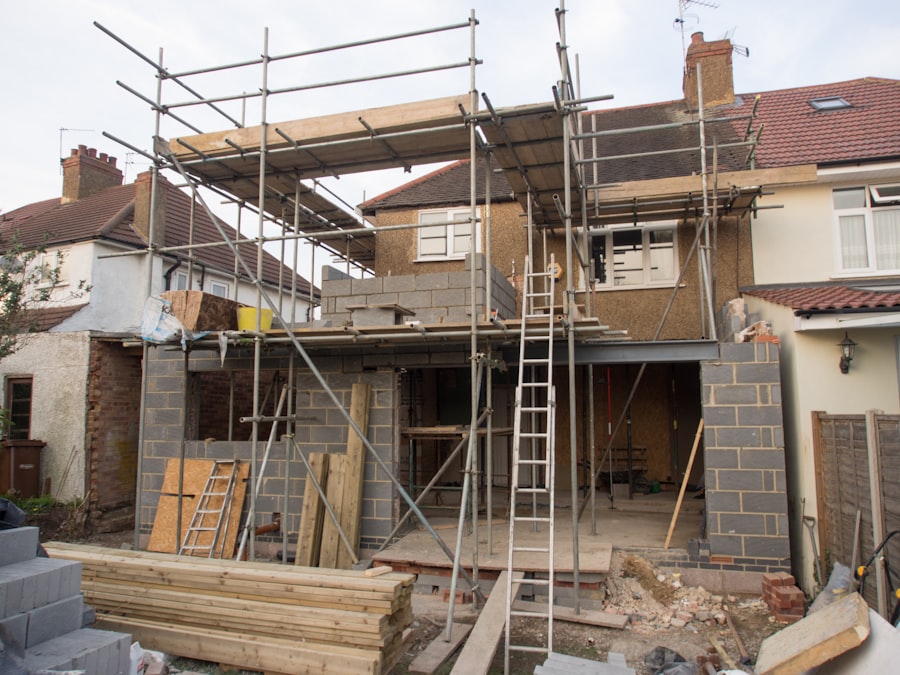
Party Wall Agreements Ireland Guide
If you share a wall with a neighbour, a party wall agreement may be required before building work starts.
Party Wall Agreements Ireland: A Complete Guide for Homeowners and Builders
If you are planning any work on a shared wall, boundary, or even an excavation near your neighbour's property, you will likely need a party wall agreement. In Ireland, these legal arrangements protect both you and your neighbours when building work affects a structure you share. Understanding how party wall agreements work in Ireland can save you time, money, and stressful disputes. This guide explains everything you need to know, from when you need one to how to get it done properly.
What Is a Party Wall Agreement?
A party wall agreement is a written contract between you and your neighbour that sets out the terms for carrying out work on a shared wall, fence, or boundary. It is not the same as planning permission or building regulations approval. Under Irish property law, any work that affects the structural integrity of a party wall requires notification and often formal consent from your neighbour.
The most common examples are terraced houses where you share a side wall with the house next door. If you want to extend upwards or dig footings for an extension, that wall is a party wall. The same applies to semi-detached homes, garden boundary walls, and even floor joists that rest on a shared structure.
What Counts as a Party Wall?
- A wall that stands on the land of two or more owners
- A wall that is built on one owner's land but is used by both owners to separate their properties
- A boundary wall that belongs to one owner but supports a structure on the neighbour's side
- Excavation works within three metres of a neighbour's foundation, even if no wall is directly touched
When Do You Need a Party Wall Agreement in Ireland?
Irish law does not have a single dedicated Party Wall Act like England and Wales. Instead, party wall matters are governed by common law principles, property easements, and the rights of support. However, the need for an agreement arises in very specific situations.
1. Building Works on a Shared Wall
If you plan to cut into a party wall to insert a beam, raise the height of the wall, or remove a chimney breast that is shared, you must notify your neighbour in writing. Failure to do so could leave you liable for damages or an injunction to stop work.
2. Excavations Near Foundations
If you dig a foundation for an extension or a basement within three metres of your neighbour's property, the excavation can undermine their support. A party wall agreement will set out how to protect their structure, including temporary shoring if needed.
3. Loft Conversions and Dormers
Many terraced and semi-detached homes in Ireland have shared gable walls. Converting a loft often involves tying new roof timbers into that wall. Your neighbour has a right to be informed and to have their own surveyor check the work will not cause cracks or leaks.
4. Demolition of a Shared Wall
If you are knocking down a whole property or removing a dividing wall between two houses (for example, to create a larger home), you need a formal agreement covering rebuilding, cost sharing, and protection of the remaining structure.
The Legal Framework: What Irish Law Says
Unlike other jurisdictions, there is no statutory procedure in Ireland for party wall disputes. Instead, the law relies on longstanding principles of nuisance, trespass, and easements of support. According to the Property Services Regulatory Authority (PSRA), surveyors who specialise in party wall matters follow best practice guidelines published by the Society of Chartered Surveyors Ireland.
The CSO reported that over 40,000 planning permissions were granted for extensions and renovations in the last year, many of which would have required party wall agreements. With so many homes being upgraded, the importance of getting this right has never been greater.
If you fail to notify your neighbour, they can apply to the Circuit Court for an order stopping your work. Even if the work has been completed, a court can award damages for loss of enjoyment or structural damage. This is why professional advice is essential.
How to Get a Party Wall Agreement: Step by Step
The process is straightforward, but it demands patience and clear communication. Here is what you need to do.
- Identify the party wall. Check your property deeds and land registry map. If the wall is exactly on the boundary, it is almost certainly a party wall.
- Write to your neighbour. Your letter should describe the proposed work, how it will affect the wall, and a timeline. Include a party wall notice. You can find templates from the Law Society of Ireland or a surveyor.
- Wait for a response. Your neighbour has 14 days to consent in writing. If they agree, you can proceed with an agreed schedule of condition and a surveyor to monitor the work.
- If they object, appoint a surveyor. If they do not consent within 14 days, or if they dissent, a dispute is deemed to exist. You and your neighbour each appoint a surveyor, or agree on a single agreed surveyor. The surveyor will draft a party wall award.
- The party wall award. This is a legally binding document that sets out exactly what work is allowed, when it can be done, and what protective measures are needed. It also covers costs: typically the owner proposing the work pays all fees and any damage caused.
- Carry out the work. You must follow the award exactly. Your surveyor will inspect at key stages to ensure compliance.
Practical Tip: Always take dated photographs of both sides of the party wall before any work begins. A schedule of condition signed by both neighbours and a surveyor is your best protection against later claims that you caused pre-existing cracks.
Common Issues and How to Avoid Them
Neighbour Refuses to Engage
Some neighbours ignore your letters. Under Irish common law, you cannot simply proceed. You should send a reminder by registered post. If they still do not respond, your surveyor can treat their silence as dissent and proceed to draft an award. This is a last resort but legally valid.
Disagreement Over Costs
The general rule is that the person carrying out the works pays for the agreement and any necessary repairs. However, if the work also benefits your neighbour (for example, you reinforce a shared wall that was unstable), you can negotiate a cost share. Get this in writing.
Structural Damage During Works
Even the best work can cause cracking. Your party wall award should include a provision for rectification. If damage occurs, you are responsible for putting it right. The SEAI recommends that any renovation that touches a party wall should include a structural engineer's report, especially if you are also adding insulation to improve your home's energy rating.
Party Wall Agreements and Property Sales
If you are selling your home, a previous party wall agreement can show up in the contract documents. Buyers or their solicitors may ask for evidence that the work was done properly. If you are buying a property, check whether any extensions or loft conversions had a party wall agreement. Without one, you could inherit a legal risk if a neighbour later claims damage.
You can explore current properties for sale or rent on Findivo.ie to see what kind of party wall issues might arise in different house types. If you are moving into a terraced house, it is worth asking the seller about historical building works.
For renters, party wall agreements are usually the landlord's responsibility. But if you are renting a house and your landlord plans major works, you have rights to quiet enjoyment. Check your lease terms and speak with your local tenant advice service.
Costs and Timescales
Hiring a party wall surveyor in Ireland typically costs between €600 and €1,500, depending on the complexity. The entire process from notice to signed award can take four to eight weeks. If disputes arise, it may stretch longer. The Revenue does allow certain home renovation costs to be claimed under the Home Renovation Incentive (HRI) scheme, but surveyor fees for party wall work may not qualify. Check with your tax advisor.
Final Advice for Irish Homeowners
Do not assume that a verbal agreement with your neighbour is enough. Party wall agreements are legal documents that protect both of you. If your neighbour refuses to sign a notice, do not try to rush the work. A surveyor can help mediate and produce an award that is fair to both sides.
Always keep records of every letter, email, photograph, and survey report. If you ever need to prove your case in court, documentation is your strongest asset. And remember: a good relationship with your neighbour is worth more than any extension. Treat them with respect, keep them informed, and offer to cover any inconvenience.
For more guidance on property matters in Ireland, including buying, selling, and renting, browse rental listings on Findivo or check out our cars section if you are also thinking of a change in transport. To stay updated on property law changes, register with Findivo for updates.
Frequently Asked Questions
What is a party wall agreement in Ireland?
A party wall agreement is a legal arrangement between neighbouring property owners governing shared walls, boundaries, or structures.
When do I need a party wall agreement in Ireland?
You need one when planning construction work that affects a shared wall, boundary, or neighbouring land, such as building an extension or altering a boundary.
What happens if my neighbour refuses to sign a party wall agreement?
If your neighbour refuses, you may need to seek a court order under the Party Walls Act or negotiate a settlement to proceed with your project.
Is a party wall agreement legally required in Ireland?
Yes, under the Party Walls (Ireland) Act 2011, you are required to notify and reach an agreement with affected neighbours before starting certain works.
Can I serve notice for a party wall agreement myself?
Yes, but many hire a surveyor to ensure correct procedures and avoid disputes; a professional surveyor can draft and serve the notice.