Guide to buying pre-63 property Ireland
An essential guide to purchasing a pre-63 property Ireland, detailing the legal, planning, and safety checks required.
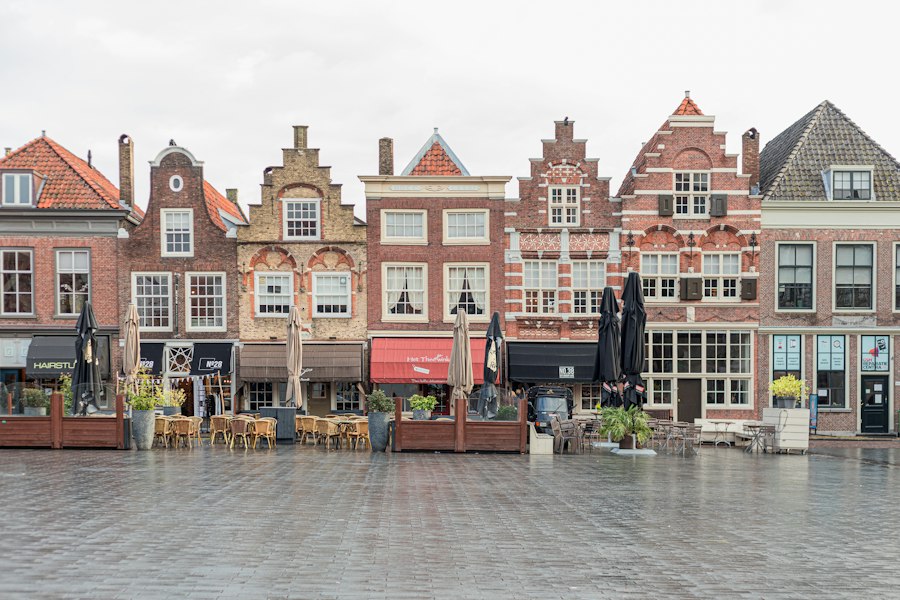
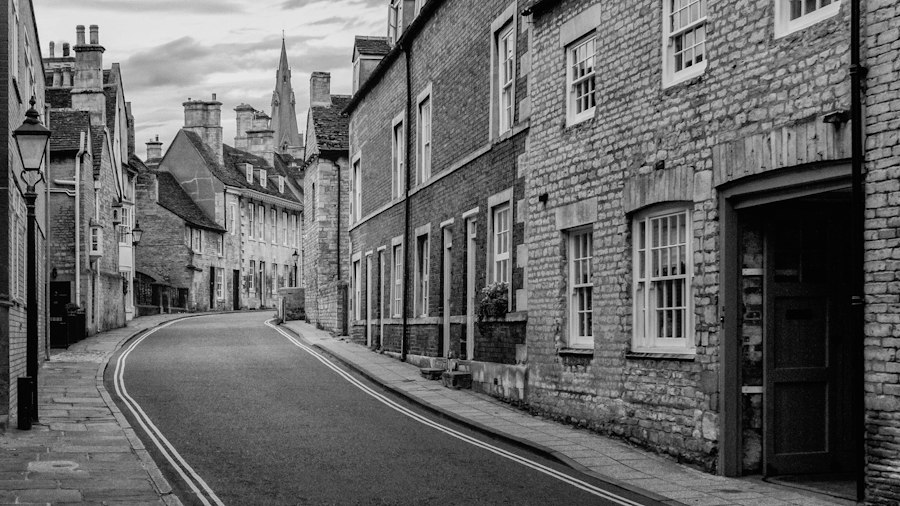
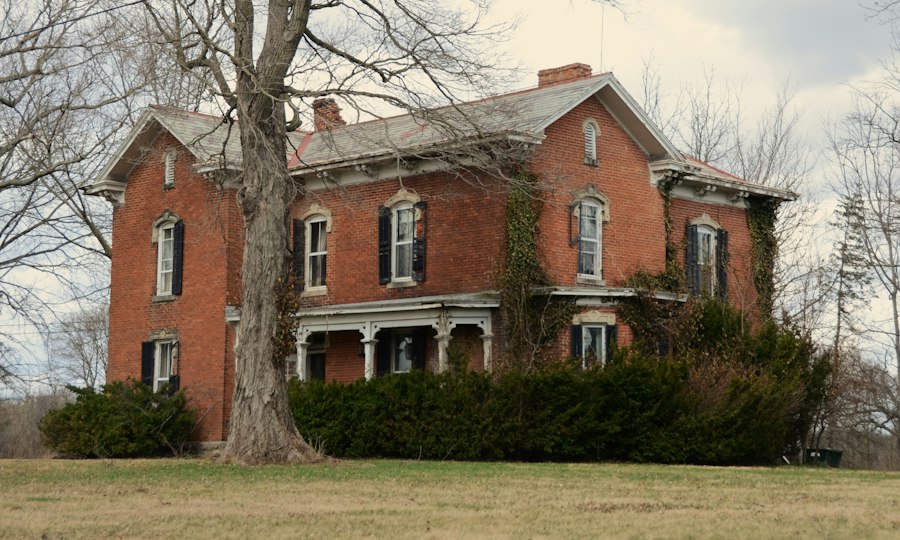
If you have spent any time looking at the Irish housing market, you have likely come across the term pre 63. These historic buildings, often grand Victorian or Georgian redbricks in Dublin locations like Rathmines, Phibsborough, or Ranelagh, represent a unique segment of the market. Buying a pre 63 property Ireland offers a distinct set of opportunities and challenges, especially for those looking to build a substantial rental portfolio or restore a piece of architectural history. Understanding the legal, financial, and structural realities of these buildings is essential before you make an offer.
Understanding the Pre 63 Planning Exemption
The core appeal of these buildings lies in their planning status. The Local Government Planning and Development Act of 1963 came into operation on the first of October 1964. This date is the dividing line in Irish planning law. Any property converted into multiple self contained flats or bedsits before this date does not require modern planning permission for that specific layout.
The Rule of Continuous Use
This planning exemption is not automatic or permanent. To maintain the pre 63 status, the property must have been continuously used as multi unit accommodation since before October 1964. According to Citizens Information, the onus of proof lies on the owner. If a property was converted back into a single family home at any stage, or if it lay vacant for a prolonged period suggesting abandonment of the use, the exemption may be lost. When you are buying, your solicitor must secure robust statutory declarations from previous owners confirming this continuous use.
Why Investors Target These Historic Properties
For property investors, these buildings represent some of the highest density residential opportunities in our historic city centers. Because they are already divided into multiple units, they can generate multiple rental streams from a single building. This often results in a much higher yield than you would get from a standard semi detached suburban house.
Many of these properties are situated in highly desirable rental locations close to universities, employment hubs, and public transport. If you browse our properties portal, you will see that these historic redbricks are concentrated in areas where tenant demand remains consistently high.
Investors can choose to keep the building as a multi unit investment or, if they have the capital, restore it to a grand single family home. This versatility makes them highly prized assets. If you want to check current market rates for tenanted units, you can review properties for rent in these premium postcodes to calculate potential yields.
Crucial Risks and Due Diligence
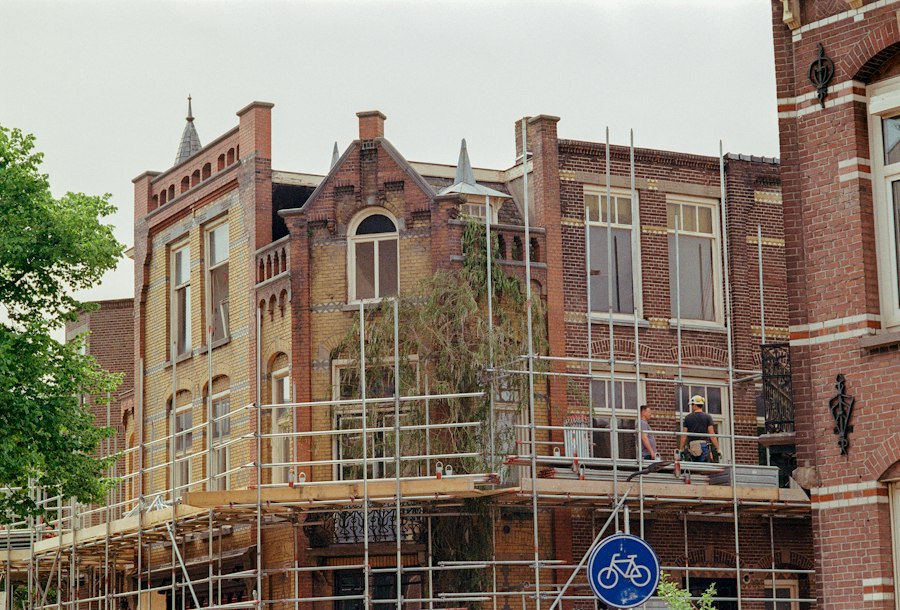
While the potential returns are attractive, the risks associated with these older buildings are significant. You are dealing with structures that are often over a century old. They were built using traditional materials and methods that require specialist understanding.
Structural Integrity and Fire Safety
Before committing to a purchase, you must hire a chartered surveyor with specific experience in historic brickwork and timber structures. Common issues include rising damp, dry rot, failing roof timbers, and outdated wiring.
The most critical area of concern is fire safety. The Residential Tenancies Board, often referred to as the RTB, enforces strict standards for rental accommodation. Many older conversions do not meet modern fire safety regulations.
Always request a full fire safety assessment before signing contracts. Retrofitting fire doors, integrated alarm systems, and emergency escape routes in a protected structure can cost tens of thousands of euros and require specialist conservation approval.
Additionally, you must consider the building regulations. While the planning exemption protects the layout, any physical works or upgrades you undertake must comply with current building regulations.
Financing and Legal Hurdles
Securing a mortgage for a pre 63 property Ireland can be remarkably complex. Traditional retail banks are often hesitant to lend on these properties, especially if they require significant structural work or if they are currently divided into bedsits that do not meet modern living standards.
- Many lenders will require a larger deposit, often up to thirty or forty percent of the purchase price.
- Some banks will only lend if the property is being restored to a single family residence.
- You will need to provide clear evidence of the planning exemption and proof of continuous rental use to satisfy bank solicitors.
Because of these hurdles, many transactions in this space are completed by cash buyers or specialized commercial lenders. If you are planning to finance the purchase through a mortgage, it is vital to get pre approval specifically for a multi unit historic building before bidding.
Upgrading to Meet Modern Standards
If you decide to buy, your main challenge will be upgrading the building without losing its historic character or violating conservation rules. Most pre 63 buildings are listed as protected structures, meaning you cannot alter the facade, original windows, or plasterwork without planning permission.
Improving the energy efficiency of these buildings is a major task. Old solid brick walls cannot easily be insulated with cavity pumping. According to the Sustainable Energy Authority of Ireland, or SEAI, there are specific grants available for retrofitting older homes, but traditional methods must be used to prevent dampness.
- Use breathable lime plasters instead of modern gypsum plaster to prevent moisture buildup.
- Restore original timber sash windows or install slim profile double glazing if permitted by the local conservation officer.
- Install zoned heating systems so each flat can control its own energy usage.
- Ensure adequate ventilation to prevent condensation and mold growth in small units.
Upgrading these systems not only protects your investment but also ensures you comply with the legal minimum standards for rental properties in Ireland. Tenants today expect warm, dry, and energy efficient homes, and bringing a historic building up to a high standard will help you attract reliable, long term occupants.
If you are ready to start your property journey, you can register with Findivo to receive alerts when historic properties hit the market.
Frequently Asked Questions
What does Pre-63 status mean for an Irish property?
It refers to a property subdivided into multiple rental units before the Planning and Development Act 1963, exempting it from modern planning permission for that subdivision.
Can I get a standard mortgage for a pre-63 property Ireland?
Yes, but lenders are stricter, usually requiring a comprehensive structural survey and proof of continuous rental use since 1963 to secure finance.
Do pre-63 properties need to comply with modern rental standards?
Yes, despite planning exemptions, they must fully comply with local authority standards for rental housing, including heating, ventilation, and fire safety.
How do I prove a property has pre-63 status?
You must provide statutory declarations, rent books, utility bills, or tenancy agreements dating back to before October 1st, 1964.
Can I list a pre-63 multi-unit property for sale on Findivo.ie?
Absolutely, Findivo.ie allows you to list multi-unit residential properties for free, making it easy to reach both private buyers and portfolio investors.