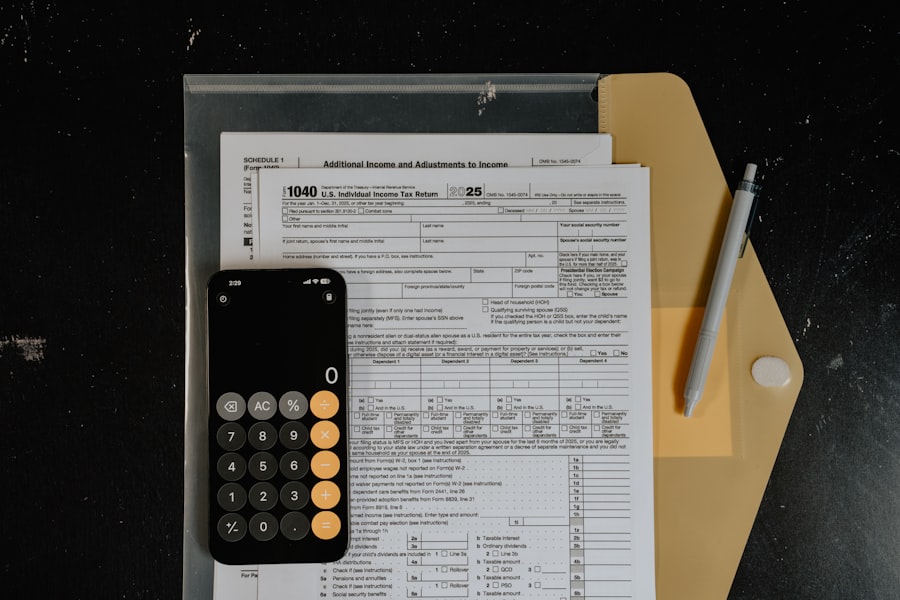
Property Tax Relief Ireland: A Complete Guide for 2026
Maximise your property tax relief in Ireland with our step-by-step guide. Save money on your investment or rental property today.
If you are a homeowner or landlord in Ireland, understanding property tax relief Ireland is essential for keeping your finances in check. I remember a few years back when I first bought a house in Dublin, I was totally clueless about what I could actually claim back. To be honest, I just assumed I had to pay the full Local Property Tax (LPT) every year and that was that. Fair enough, that was naive. But after a chat with my neighbour who works in accounting, I realised there are genuine ways to reduce your bill. Right so, let me walk you through everything you need to know for the year ahead. No jargon, just plain Irish English and a few real tips.
What Exactly Is Property Tax Relief in Ireland?
Put simply, property tax relief Ireland refers to the various exemptions, reductions, and deferrals available under the Local Property Tax system. The Revenue Commissioners run the whole show, and they allow you to reduce your annual LPT bill if certain conditions are met. This is not about dodging tax, it is about using the rules that are already there to make sure you don't pay more than you have to. Look, the scheme is designed to help people in specific situations, and frankly, a lot of homeowners never even check if they qualify. According to the CSO, over 1.8 million residential properties are liable for LPT, but only a fraction of owners actually claim any relief. That is a lot of money left on the table.
Anyway, the relief can come in a few forms. You could get an exemption, meaning you pay zero. Or a reduction, so your bill is smaller. Or a deferral, where you push the payment to a later date, usually when the property is sold. The rules change slightly each year, so it pays to stay on top of them. For the coming year, the basic structure remains the same, but there are some nuances worth noting.
Who Can Claim Property Tax Relief?
You might be surprised how many people are eligible. The most common categories include:
- Homes that are significantly damaged or uninhabitable, for example after a fire or flood.
- Properties that are empty for a full twelve months, though you need to prove it.
- Homes owned by people who have moved into nursing homes or long term care.
- Properties that have been repossessed by a bank or lender.
- And yes, even some landlords can benefit, especially if the property is vacant or undergoing major renovations.
But here is the trick. You cannot just assume you qualify. You have to apply to Revenue and provide evidence. The company I work with, Findivo, often helps people check their eligibility before they file their annual LPT return. According to the Residential Tenancies Board (RTB), many landlords overlook the fact that a tenancy termination can trigger a gap period that might make the property eligible for relief. Fair enough, the rules are not exactly plastered all over the news.

Types of Property Tax Relief Available
Exemptions
An exemption means you owe nothing. The big one is for new, previously unused homes that are purchased between certain dates. There is also a specific exemption for properties that are certified as having significant structural defects, like defective concrete blocks (you might have heard about the Mica issue in Donegal and Mayo). If your home is in that category, you can apply for a full exemption. Also, if you have adapted your home for a person with a disability, and the adaptation is substantial, you might get an exemption for the value added by that work.
Reductions
Reductions are more common. You can reduce your LPT by up to 10% for making your home more energy efficient. Think insulation, heat pumps, solar panels. Revenue recognises these improvements and gives you a break. Additionally, if your property is in a designated pyrite or mica affected area, you may get a reduction based on the cost of remedial works. And if you are a landlord, you can sometimes claim a reduction if the property is let at a below market rent, for instance under a social housing scheme.
Deferrals
Deferral is not a reduction, it is a postponement. You can defer the entire LPT or part of it if you meet certain income criteria. For example, if you are on a low income or have high medical expenses, you might qualify. The deferred amount accrues interest, so it is not free money, but it can help with cash flow. To be honest, I only recommend deferral if you have no other option, because the interest adds up over time.
Practical Tip: Keep all receipts for qualifying home improvements, even small ones like cavity wall insulation. You never know when you might need to prove the work was done to claim a reduction. A simple folder or a digital scan can save you hundreds of euros.
How to Apply for Property Tax Relief
The process is actually grand, once you know where to look. You do it through the Revenue website, specifically the LPT section. You will need your Property ID and PIN, which you should have received in the post. If you lost them, you can request a new PIN online or call Revenue. Here is the step by step:
- Log into your Revenue MyAccount or ROS account.
- Select the Local Property Tax option for the relevant property.
- Choose the type of relief you want to claim: exemption, reduction, or deferral.
- Fill in the specific details and upload supporting documents, like a certificate of structural defect or proof of energy upgrade.
- Submit and wait for Revenue to review. You will get a confirmation letter or a notification in your online account.
Important: You must file your LPT return and claim your relief by the deadline. For the coming year, that is typically in November of the previous year, but always check the Revenue site for exact dates. If you miss the deadline, you automatically lose the chance to claim that year's property tax relief Ireland. And once the year passes, you cannot go back and amend it. So mark your calendar.
What About Landlords?
If you are renting out a property, you have extra options. You can claim relief on the rental income side as well, through the rental income tax system, but that is separate from LPT relief. For LPT specifically, landlords can apply for exemption if the property is vacant for twelve months or more. According to the RTB, the average vacancy period between tenancies in Ireland is about two months, so that specific exemption is rare. But if you have a long gap due to major repairs, keep a diary of dates. Revenue may ask for proof that the property was genuinely unoccupied.
Common Mistakes to Avoid
Let me save you some hassle. Here are the biggest errors I see people make:
- Assuming you get automatic relief. You do not. You have to apply every single year.
- Not keeping documents. Revenue loves paper trails. Lose the receipts, lose the reduction.
- Claiming a deferral when you could have paid. The interest rate is not massive, but it adds up. Only defer if you really need to.
- Forgetting that the value of your property changes. If you have renovated significantly, your LPT band might increase, which could affect your relief eligibility. Do a self assessment.
- Ignoring the fact that relief applies to second homes too. If you own a holiday home, you can still claim if it meets criteria, for example being uninhabitable due to damage.
Right so, another thing. The CSO reported that over 70% of homeowners do not appeal their LPT valuation. If you think your property is overvalued, you can appeal. That is not exactly property tax relief Ireland, but it achieves the same result: a lower bill. Do not be afraid to challenge Revenue if you have a good case.
Final Thoughts
Look, property tax relief Ireland is not a secret, but it does require a bit of effort. The system is there to help, and you have every right to use it. I remember my own relief claim for a small extension that I thought would not qualify, but I applied anyway and got a 5 percent reduction. It was not a fortune, but it covered a good dinner out. Every little bit helps, especially with the cost of living these days. So log into your Revenue account, check your property details, and see what you can claim. And if you are looking to buy or rent a property and want to understand the tax implications upfront, have a look at the listings on Findivo.ie. We have plenty of properties where the sellers already know their relief status. You might even find a home that qualifies for an exemption from day one.
If you are a landlord, do not forget to register your tenancy with the RTB as required by law. It is a separate obligation, but it keeps everything above board. And if you are searching for a rental property, check out our rental listings to see what is available in your area. Knowing the tax side of things can give you an edge when negotiating.
Anyway, I hope this guide makes the whole process a bit less daunting. Property tax is one of those things nobody likes to think about, but a little planning goes a long way. If you have any questions, drop a comment below or give us a shout. Grand luck with your claim.
Frequently Asked Questions
What is property tax relief in Ireland?
Property tax relief reduces the amount of Local Property Tax (LPT) you owe, based on your particular circumstances or property characteristics.
Who is eligible for property tax relief in Ireland in 2026?
Eligibility includes homeowners with certain exemptions, such as those in unfinished estates, properties affected by pyrite or mica, and those meeting income thresholds for deferral.
How do I apply for property tax relief in Ireland?
Applications are made through Revenue's LPT online system by submitting a return and claiming relevant exemptions or deferrals.
Can I get a refund if I've already paid too much LPT?
Yes, if you qualify for relief after paying, you can apply for a refund via Revenue's online services.
What is the difference between exemption and deferral in property tax relief?
An exemption means you owe no LPT at all, while a deferral postpones payment, often with interest, until the property is sold or transferred.