Top 5 Commuter Town Pitfalls in Ireland
Avoid these 5 common commuter town pitfalls in Ireland. Learn how to navigate traffic, costs, and lifestyle trade-offs before moving.
When it comes to commuter town pitfalls Ireland, there is more to consider than just the price of a train ticket. I learned this the hard way when my mate Dave moved out to a “bargain” estate in Kildare. He was grand for the first few weeks, fair enough, but then the reality of two hours in traffic each morning hit him like a wet sack of spuds. To be honest, that experience is the very reason I started researching the real downsides of life on the outskirts. Right so, I want to share the top five traps that catch people out, so you can avoid making the same mistake.
1. The Hidden Commute Cost: More Than Just Petrol
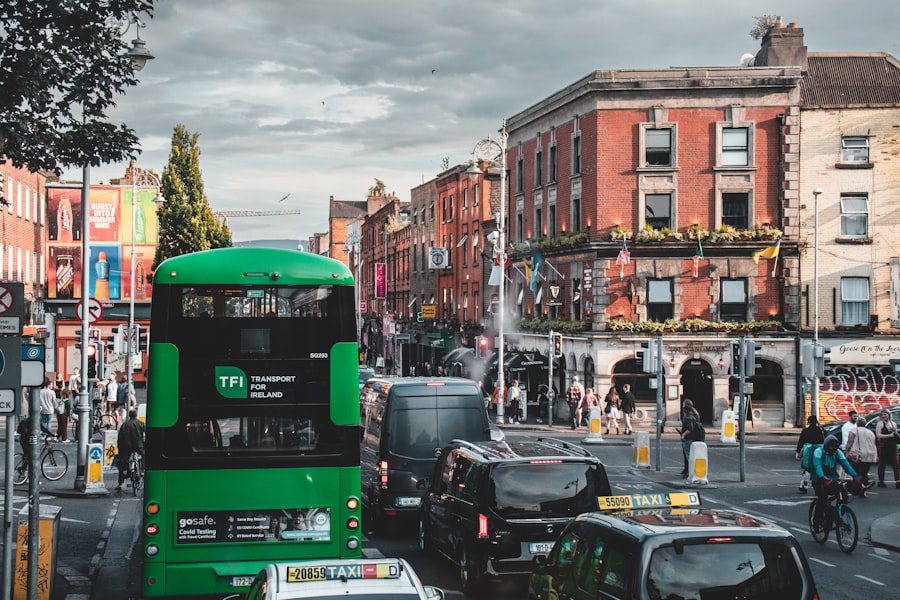
Look, everyone knows the commute will cost you time and fuel. But the commuter town pitfalls Ireland often hide in the small print. According to the CSO, the average commuter in a town like Naas or Greystones now spends over 200 hours a year just getting to and from work. That is nearly nine full days sitting in a car or on a train. And that is before you factor in the price of a Coffee Club loyalty card for the service station. I have a mate who lives in Ashbourne and spends €350 a month on fuel alone. That is more than a mortgage top-up for some people. You need to look at the total cost: wear and tear, Luas tickets, parking permits, and the occasional breakdown that leaves you stranded. The CSO reported that the average household transport cost in commuter zones is 15% higher than in the city, which is a serious chunk of change.
What to Check Before You Sign
- Calculate your exact door-to-door time using the busiest hours, not the Sunday morning test drive.
- Add up all the monthly transport costs, including tolls and parking. Use a website like the AA’s commute calculator to be thorough.
- Ask your employer about remote working policies. If you can work from home two days a week, the whole equation changes.
2. The Deceptive Property Bargain
It is easy to fall in love with a four-bed semi-detached house in a commuter town for half the price of a Dublin 4 terrace. But the commuter town pitfalls Ireland can turn that bargain into a money pit. I saw a house in Mullingar that looked like a steal. Then I looked closer: the local school was oversubscribed, the broadband was patchy, and the nearest supermarket closed at 6pm. According to the RTB, rental properties in commuter towns often have higher energy ratings on paper than in reality, because landlords push the limits. You might end up spending your savings on retrofitting, double glazing, or a new boiler. And do not forget the cost of commuting itself: that “saving” on the house price quickly evaporates. Fair enough, the garden is lovely, but you will not be using it much if you are stuck in traffic.
Practical tip: Before you offer on any property in a commuter town, drive the route at 8am on a Tuesday. Then again at 5:30pm. If the journey is over 90 minutes, factor in an extra €100 a week for fuel, tolls, and therapy. Yes, therapy – because the stress is real.
3. The Social and Lifestyle Void
It is easy to think that you will just pop into Dublin for pints or a gig. But after a long week, the idea of getting back on that road is, to be honest, exhausting. The commuter town pitfalls Ireland include a surprising lack of decent pubs, restaurants, and nightlife. I moved to a town outside Cork for a summer once. After two weeks I had been to the same chipper three times and the only evening activity was watching the local GAA match (which was actually grand, but not every night). Many commuter towns are fine for families with kids who are happy with a playground and a Lidl. But if you are single or a couple who enjoys culture, you will feel stranded. According to the CSO, the number of arts venues per capita in commuter towns is half the national average. That means fewer gigs, fewer community events, and a lot of evenings spent scrolling Netflix.
Signs That You Might Be Too Far Out
- You cannot name three restaurants within a 15-minute walk.
- The only takeaway options are a chipper and a Chinese that closes at 9pm.
- You find yourself planning your social life around train timetables.
4. The School and Services Squeeze
If you have children, or plan to, this is a biggie. Many commuter towns grew rapidly in the last decade, but the infrastructure did not keep up. The commuter town pitfalls Ireland here are painfully real: schools are full, GP waiting lists are long, and the local hospital might be an hour away in an emergency. I remember trying to register my niece for a school in a popular commuter belt. The principal told us there were 150 kids on the waiting list for the one school within walking distance. The next nearest was a 40-minute bus ride. And that bus? It only runs twice a day. According to the RTB, the rental market in these areas is so tight that families are forced to move every year just to stay near a good school. That is no way to live. If you are looking at properties on our property listings, make sure to check the school catchment areas and the local health centre’s availability. Do not assume anything.
How to Research Local Services
- Call the school office – do not rely on the website. Ask about class sizes and waiting lists for September.
- Check the HSE website for GP availability in the area. Some towns have no doctors accepting new patients.
- Look at community forums like Boards.ie or local Facebook groups. People often share the real stories there.
5. The Resale and Re-Rental Trap
Right so, you have bought the house. Then life changes – a new job in Galway, a relationship break-up, a need to downsize. Suddenly you need to sell or rent out your commuter town home. And you realise the commuter town pitfalls Ireland has a final sting: the market can be far less liquid than you think. I know a lad who tried to sell a perfectly decent three-bed in a town off the M50. It sat on the market for 18 months. Why? Because the job centre moved to Dublin’s docklands, making the commute longer, and suddenly nobody wanted to live that far out. The CSO reported that in some commuter belts, the average time to sell a property is 30% longer than in the city. And if you want to rent it out, the RTB's rent pressure zone rules can limit your earnings. You might be stuck with a property that does not make financial sense.
To avoid this, think about long-term. Is the town growing? Are new roads or rail links planned? Look at our car listings – if fuel prices keep rising, the appeal of far-flung commuter towns will drop. Also check your registration on Findivo to get alerts on market trends in the area you are considering. And if you are renting, use our rent listings to compare prices across different towns. A cheap rent today might mean a difficult re-let tomorrow.
Final Words (and a Bit of Hope)
Anyway, do not let me put you off entirely. Commuter towns can be grand for the right person. If you love peace and quiet, have a solid remote-work arrangement, and do not need a nightclub on your doorstep, you might be perfectly happy. But the commuter town pitfalls Ireland are real, and they bite hard if you do not plan for them. Look, I still look at houses in the countryside myself sometimes. But now I ask the hard questions first. The commute time, the broadband speed, the nearest A&E, the school waiting list. And I always, always drive the route at rush hour. To be honest, that one test has saved me from making a massive mistake at least twice. So do your homework, use the resources I have linked, and maybe you will find the perfect balance. Fair enough?
Frequently Asked Questions
What is the biggest hidden cost of living in an Irish commuter town?
High transport costs, including car expenses and rising train fares, often catch residents off guard.
Why do commuter towns in Ireland lack amenities?
Many commuter towns were built as dormitory suburbs without sufficient schools, shops, or healthcare facilities.
How bad is traffic congestion in commuter towns outside Dublin?
Major routes like the M50 see hours of delays daily, with limited public transport alternatives.
Are rural commuter towns in Ireland isolating?
Yes, relying on a car for everything and scarce community spaces can lead to loneliness for newcomers.
What is 'sprawl creep' and how does it affect commuter towns?
Sprawl creep means services and housing expand haphazardly, often resulting in poor infrastructure like incomplete footpaths.