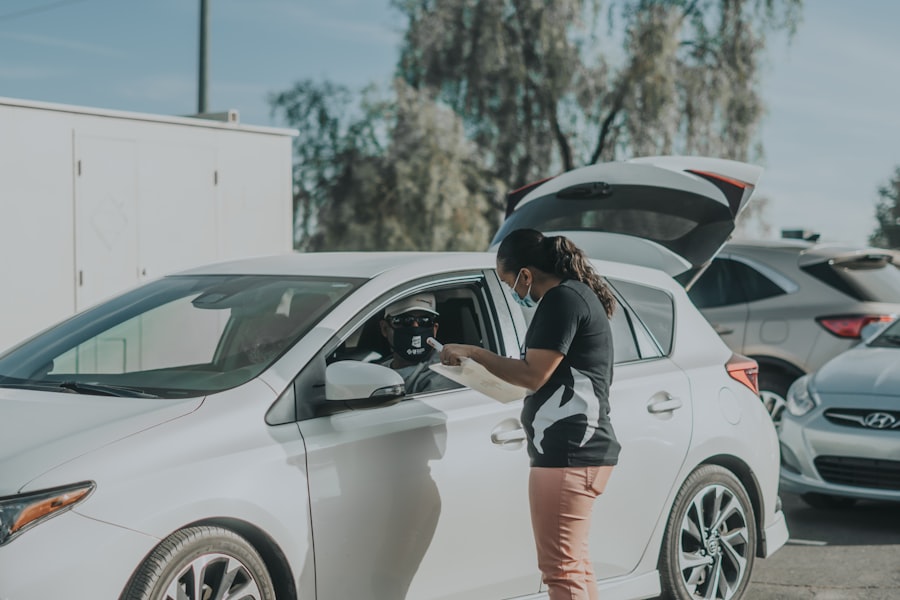
Viewing Checklist for Used Cars
Avoid costly mistakes with our step-by-step viewing checklist for used cars in Ireland. Inspect, test drive, and decide with confidence.
If you are in the market for a second hand car, having a proper viewing checklist for used cars can save you a world of trouble. To be honest, I learned this the hard way. A few years back I went to see a tidy looking Ford Focus, shook the seller's hand, and drove away without even popping the bonnet. The car drove grand for three months. Then the timing belt went. Fair enough, that was my own fault for rushing. Since then I always bring a list, and I never buy on the spot. So here is a practical viewing checklist for used cars that will help you avoid my mistakes.
Why You Need a Viewing Checklist for Used Cars
Look, buying a used car is a big decision. According to the CSO, the average age of cars on Irish roads is over eight years old, and many of them will have had a few owners. A solid viewing checklist for used cars keeps you focused when the seller is chatting away and you start to feel under pressure. It also helps you compare two or three cars fairly. Without a checklist you tend to remember the shiny bits and forget the rusty ones.
Anyway, let's break it down into the three main areas you need to inspect: the exterior, the interior, and the mechanicals. Right so, grab a notebook and let's get started.
Exterior Checks: Bodywork, Paint, and Panel Gaps
Paint and Panel Alignment
Start by walking around the car in good daylight. Look for differences in paint shade between panels. If one door is a slightly different blue, it might have been resprayed after a bump. Run your hand gently over the edges of the bonnet and doors. You should feel a smooth, consistent finish. Any rough paint or orange peel texture could mean a cheap repair job. Check the gaps between panels too. They should be even. If the bonnet gap is wider on the left than the right, the car may have been in a shunt.
Tyres and Alloys
Tyres tell you a lot about how a car has been driven. Look for uneven wear on the inner or outer edges. That could point to suspension problems or poor tracking. Check the tread depth using the 20 cent coin trick, a 20 cent coin has the same depth as the legal minimum. And remember, if the tyres look mismatched or one brand is different, the previous owner might have skimped on maintenance. The alloys should be scuff free, but a few small scratches are grand.
- Check paint shade consistency across panels.
- Run your hand over edges for rough paint.
- Inspect panel gaps for evenness.
- Check tyre tread depth and wear patterns.
- Look for rust around wheel arches, sills, and door bottoms.
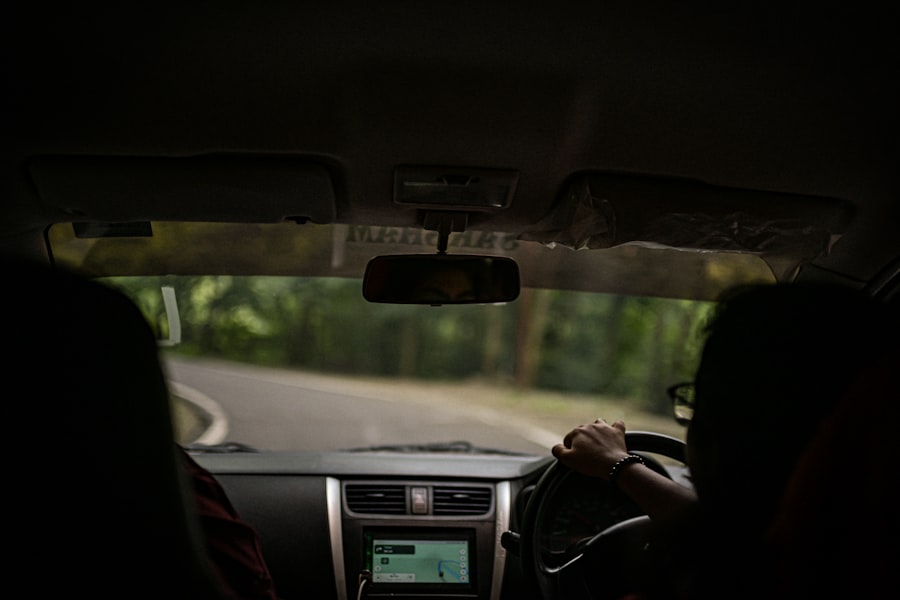
Interior Checks: Comfort, Electronics, and Smells
Get inside and take a seat. Adjust the seat and steering wheel to your position. Everything should move smoothly. Check the odometer reading and compare it with the service history if available. According to the RTB, just as you would verify a landlord's details before renting a property, you should verify a car's mileage with its service stamps. If the book says 60,000km but the car looks like it has done 120,000km, alarm bells should ring.
Turn on the air conditioning, the radio, and the electric windows. Make sure the windows go all the way down and back up. Check the lights, indicators, and hazard lights. Push every button. I once missed a broken sunroof because I did not bother to try it. Fair enough, it was a cheap car, but the repair cost me a new motor. Also, give the interior a good sniff. A damp, musty smell could mean a leak somewhere, or worse, flood damage.
- Test all seats, mirrors, and steering adjustments.
- Check odometer against service records.
- Turn on A/C, radio, windows, lights.
- Smell for dampness or cigarette smoke.
- Inspect the footwells for water stains or rust under the carpets.
Under the Bonnet and a Test Drive
Now for the bit that makes people nervous. Pop the bonnet and look for the basics. The oil should be golden brown, not black or creamy. A milky looking oil cap could mean a head gasket problem. Check the coolant level and colour, it should be bright pink or green, not rusty. Look at the battery terminals for white corrosion. And check the belts for cracks or fraying. If you are not mechanically minded, bring a friend who is. To be honest, even a quick once over can spot obvious trouble.
Now the test drive. This is the most important part of your viewing checklist for used cars. Start the engine from cold. Listen for any knocking, tapping, or rattling. Let it idle for a minute, then rev it gently. Take the car on a mix of roads: some town driving, a dual carriageway, and a bumpy back road. Pay attention to how the steering feels, it should be straight and not pull to one side. Brake gently and then firmly. If the car shudders or the pedal feels spongy, walk away.
Practical tip: During the test drive, find a quiet straight road and let go of the steering wheel for a second. If the car drifts to one side, the tracking could be out or there could be worn suspension components. Always try this in a safe area with no traffic.
Listen for unusual noises when turning the wheel at low speed. A clicking sound could be a worn CV joint. Also, check the gearbox. For a manual, each gear should slot in easily. For an automatic, take the car up a hill and see if it holds the gear or hunts up and down. I remember test driving a lovely Passat that seemed perfect until I went up a steep hill near Tallaght. The automatic box kept slipping. I saved myself a fortune by walking away.
Documents and the Final Paperwork
Before you hand over any money, you need to see the logbook. Check that the VIN number on the document matches the one stamped on the car, usually under the windscreen or on the driver's door sill. Look at the number of previous owners and the date of first registration. If the car is imported from the UK, make sure it has a valid Irish NCT certificate. The CSO reported that imported cars account for a significant chunk of the used car market, and they sometimes have different specification levels.
Also, ask for any service invoices, old NCT certs, and the owner's manual. If the seller cannot produce any history, ask yourself why. A well cared for car usually has a paper trail. And never buy a car that has an outstanding finance or a logbook that looks tampered with. You can check the vehicle history online using the Vehicle Registration Number if you are unsure.
One final thing: when you agree a price, get a written receipt. Even a simple note with the date, reg, and amount is better than nothing. If you are buying from a dealer, they must provide a proper invoice. According to the RTB, similar protections exist for tenants, but in car buying you really need to read the small print. Most repairs are "buyer beware" unless you have a written warranty.
Bringing It All Together
Look, I know it sounds like a lot of work. But a good viewing checklist for used cars will save you time, money, and headaches. Print out a list, bring a torch and a magnet (a magnet will stick to genuine steel bodywork but not to filler), and take someone with you if you can. The few hours you spend checking a car properly are nothing compared to the months of regret if you buy a dud.
When you are ready to start your search, have a look at what is available on Findivo's used cars page. You can also browse properties if you are thinking of moving house, or register with us to get alerts on new listings. And if you are renting a home, check our rental listings to compare options.
Anyway, happy hunting. Take your time, trust your gut, and use that checklist. You will be grand.
Frequently Asked Questions
What documents should I bring when viewing a used car in Ireland?
Bring your driver's licence, a pen and paper for notes, and a smartphone to check the vehicle's history online, such as the NCT and motor tax records.
How can I check the car's exterior condition effectively?
Walk around the car and look for rust, dents, and mismatched paint under good daylight; also check the tyres for even wear and the correct tread depth.
What should I look for under the bonnet?
Inspect the engine for any leaks, check the oil and coolant levels, and look for a clean, dry battery with no corrosion on terminals.
What keys checks should I do inside the car?
Test all lights, wipers, air conditioning, infotainment, and seat adjustments, plus check the mileage matches the service book and NCT records.
How should I test drive a used car in Ireland?
Take it on a mix of roads to check the engine, brakes, and steering, and listen for unusual noises; also verify the clutch if manual, and park to test reverse gear.