Buying a terraced house in Dublin 7: Top Guide
Thinking of buying a terraced house in Dublin 7? Here is what to check regarding surveys, parking, and period features.
Dublin 7 has transformed into one of the most sought after postal districts in the capital. From the buzzing coffee shops of Stoneybatter to the leafy avenues of Phibsborough and the family focused streets of Cabra, buyers are drawn to its architectural heritage and proximity to the city center. If you are considering buying a terraced house in Dublin 7, you are looking at a property type that defines the urban landscape of the area. These homes offer immense character, vibrant streetscapes, and enduring long term value, but they also come with distinct layout and maintenance details that every buyer should understand before signing contracts.
Understanding the Micro Markets of Dublin 7
The term Dublin 7 covers a broad spectrum of architectural periods and neighborhood profiles. While the postal code is relatively compact, the living experience can change dramatically from street to street. Knowing where to look depends entirely on your lifestyle priorities and your budget expectations.
From Artisan Cottages to Red Brick Terraces
The housing stock in this part of Dublin generally falls into three distinct categories:
- Stoneybatter and Manor Estate: Famous for late Victorian artisan cottages and compact two bedroom terraces. These homes prioritize location and community atmosphere over floor area, making them ideal for young professionals and first time buyers.
- Phibsborough and Broadstone: Home to impressive high ceilinged Victorian and Edwardian red brick mid terrace properties. Many of these offer generous footprints, original fireplaces, and intricate decorative plasterwork.
- Cabra and Navan Road: Predominantly 1930s and 1940s built terraced houses featuring wider plots, front driveways, and long rear gardens that provide substantial room for ground floor extensions.
When you start to search for a terraced house in Dublin 7, take time to walk the neighborhoods at different times of day. Check the walking distances to the Luas Green Line stops at Phibsborough or Grangegorman, assess street parking density on weekday evenings, and explore nearby amenities along Manor Street and Rathdown Road.
Key Structural Essentials for Older Terraced Properties
Most terraced homes in the district were built between 1880 and 1950. While these structures have stood for generations, their age requires careful scrutiny during your buying process. Traditional building techniques used solid brick construction rather than cavity walls, meaning moisture management and heat retention operate differently than in modern developments.
Engaging a qualified chartered surveyor who has specific experience with Dublin period properties is essential. Pay close attention to the structural integrity of shared party walls, the condition of historic chimney stacks, and any evidence of dampness around timber floor joists. In many turn of the century terraces, previous owners may have removed internal load bearing walls to open up living spaces. Your surveyor must verify that suitable steel beams were inserted to support upper floors.
Expert Tip: Before finalizing your bid, ask the seller for documentation on any structural alterations and shared roof work. Shared valley gutters between terraced roofs are a common source of leaks, and knowing the shared maintenance history with neighboring properties saves major headaches later.
A recent buyer along Oxmantown Road discovered during survey work that a non original extension built in the 1980s had inadequate foundation depth and poor ventilation. Identifying this issue early allowed them to adjust their offer and budget correctly for remediation work right after purchase.
Energy Efficiency and SEAI Upgrade Options
Energy performance is a central topic when purchasing older homes in Ireland. Data published by the Central Statistics Office shows that older urban terraced properties frequently enter the market with building energy ratings of E, F, or G unless previous owners executed full retrofits.
Upgrading BER Ratings in Terraced Layouts
Improving energy efficiency in historic terraced layouts requires a tailored strategy. External insulation is rarely permitted on red brick facades in conservation zones or streets with uniform Victorian streetscapes, as it alters the historic character of the neighborhood. Internal dry lining or breathable insulation systems are usually the preferred path for front walls.
You can access significant grant funding through the Sustainable Energy Authority of Ireland for home energy improvements. Available grants cover measures such as:
- Internal wall insulation tailored for solid brick structures
- Attic floor insulation to prevent heat loss through shared roof spaces
- Heat pump systems and modern heating controls
- Solar PV installations on suitable rear roof slopes
Prioritizing insulation and airtightness before installing high efficiency heating systems will ensure your period home stays warm while keeping operational heating bills manageable.
Navigating Bidding and Legal Due Diligence
The market for Dublin 7 homes remains consistently competitive. First time buyers, traders down, and relocators all compete for well located properties. Understanding your borrowing capacity under Central Bank of Ireland mortgage lending rules helps you set clear upper limits before bidding begins.
You can streamline your home search process by visiting available properties on Findivo to monitor recent listing prices and monitor market activity across the district. Having your mortgage approval in principle fully secured before placing bids shows vendors that you are a serious and ready buyer.
Your solicitor will need to carry out thorough title checks, particularly around boundary ownership in small rear yards and rights of access through shared rear lanes. If you are comparing your options between purchasing or renting in the short term, reviewing current rental market options in Dublin 7 can help you evaluate expected rental yields and local housing demand.
Maximizing Space and Everyday Living
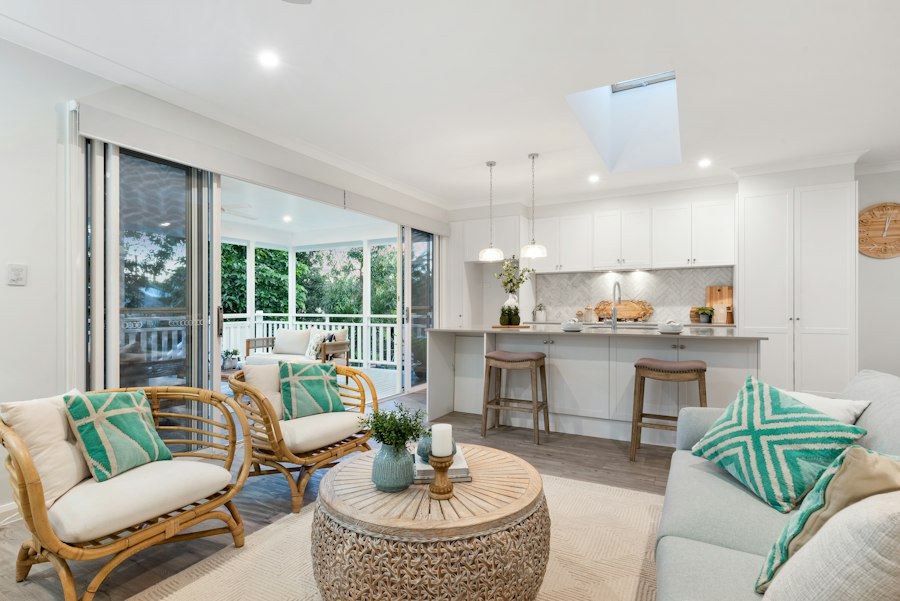
Living in a terraced property requires thoughtful design choices, particularly when space is at a premium. Small courtyard gardens typical of Stoneybatter and Arbour Hill can become incredible extension opportunities when designed with clever skylights and sliding glass panels that pull light deep into the ground floor.
On-street permit parking managed by Dublin City Council serves most streets in the area. Verify permit eligibility for your specific address through your legal representative, as some newly converted multi unit properties may have restricted permit access.
Securing your ideal terraced house in Dublin 7 takes patience, focused research, and active market tracking. To stay ahead of fresh listings and organize property alerts matching your precise requirements, take a moment to create your account today. With solid financial preparation and a clear understanding of structural requirements, buying into this historic quarter offers an exceptional lifestyle in the heart of Dublin.
Frequently Asked Questions
What structural checks are vital for a terraced house in Dublin 7?
You should pay close attention to roof timber condition, main party wall integrity, and potential dampness common in Victorian or Edwardian redbrick properties.
Are residential parking permits available for Dublin 7 terraced streets?
Yes, Dublin City Council offers resident parking permits for designated streets, provided your vehicle is registered to that specific Dublin 7 address.
How do conservation rules affect older terraced homes in Stoneybatter or Phibsborough?
If the property is listed or located within an Architectural Conservation Area, external modifications such as window replacements require specific planning permission.
What is the typical BER range for period terraced houses in Dublin 7?
Unmodernised period homes often sit between E and G ratings, but internal insulation and modern heating upgrades can comfortably bring them up to C or B.
Is extension work common for Dublin 7 terraced properties?
Yes, rear kitchen extensions are very common, provided back garden space allows and planning guidelines or exempted development limits are respected.