Buying a Used Car in Ireland: Essential Guide
Buying a used car in Ireland? Our essential guide covers checks, haggling, documents, and more to help you buy with confidence.
Buying a used car in Ireland can feel like a bit of a minefield, but with the right know‑how it’s grand altogether. Look, I’ve been through it myself, and I’m here to walk you through the whole process step by step. Whether you’re a first‑time buyer or just upgrading your old banger, this guide will help you avoid the pitfalls and drive away happy.
Why Buy a Used Car in Ireland?
To be honest, new cars lose value faster than you can say “NCT”. A used car gives you far more bang for your euro. According to the CSO, the average age of a car on Irish roads is now over eight years, which means there’s a huge pool of well‑maintained second‑hand vehicles out there. Fair enough, you might not get that “new car smell”, but you will get a reliable motor without the eye‑watering price tag.
Anyway, the key is knowing what you’re doing. Buying a used car in Ireland isn’t just about spotting a bargain; it’s about due diligence, paperwork, and a bit of patience. Right so, let’s dive into the essentials.
Key Steps to Buying a Used Car in Ireland
Set Your Budget and Stick to It
First things first: work out how much you can really afford. Don’t just look at the asking price; factor in insurance, tax, fuel, and the inevitable NCT. If you’re borrowing, check your loan options on sites like Findivo.ie to compare rates. A good rule of thumb is to leave yourself a few hundred quid for any immediate repairs or servicing.
Research the Market
Once you’ve a budget, start scoping out what’s available. Browse our used car listings to get a feel for prices. Pay attention to mileage, age, service history, and common issues for specific models. Join a few Irish car forums or Facebook groups – they’re goldmines for real‑world advice.
What to Check Before You Buy
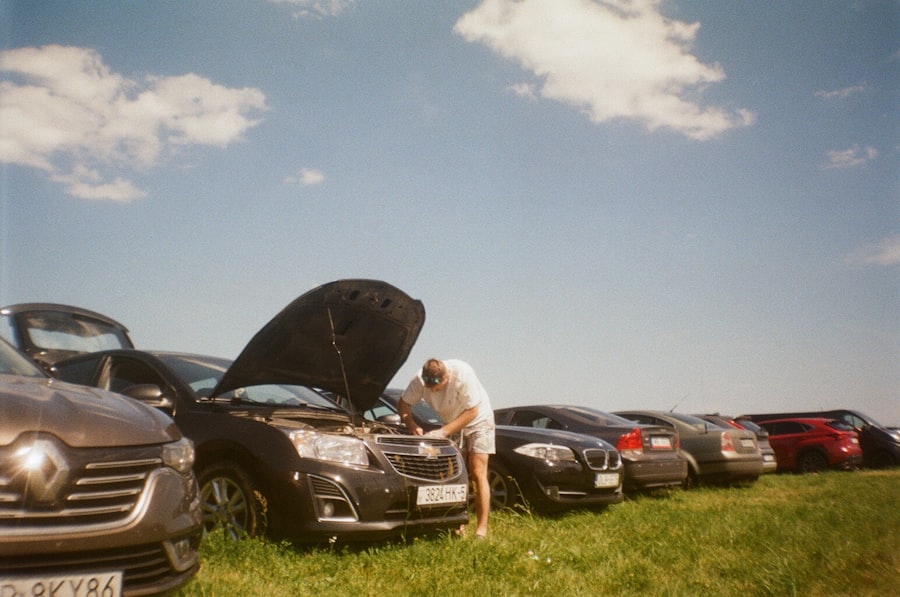
Look, this is where many people trip up. I remember when I was buying a used car in Ireland a few years back, I nearly bought a diesel that had been clocked back 50,000 km. Only a quick check on the history saved me a heap of trouble. Here’s what you need to inspect:
- NCT status and history. Always ask for the certificate and check the expiry date. A full NCT report shows any fails or advisories.
- Service records. A full, stamped service book is a massive plus. Look for consistent oil changes and timing belt replacements.
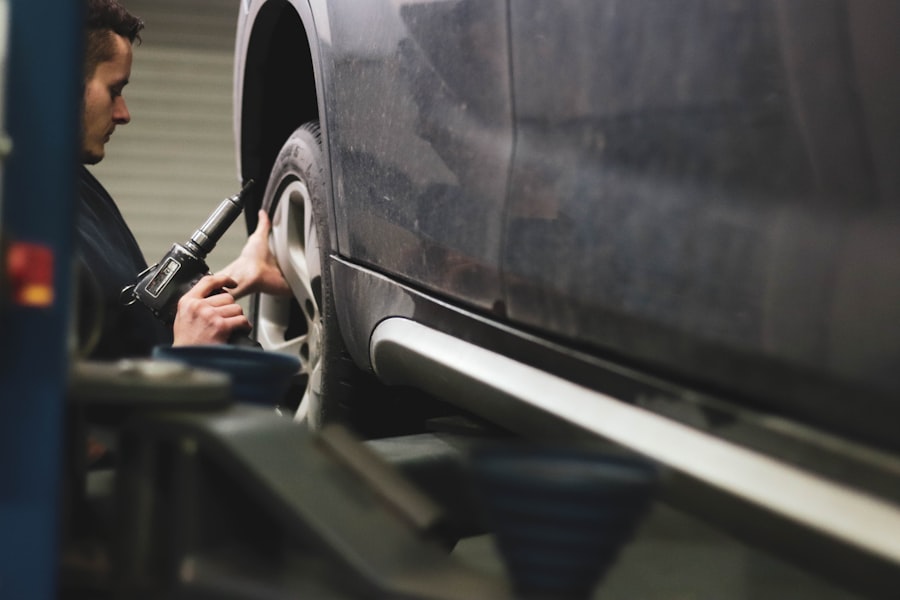
- Bodywork and rust. Irish roads love salt, so check wheel arches, sills, and under the boot carpet for corrosion.
- Test drive. Listen for unusual noises, feel for vibrations, and test all electronics – windows, air con, lights.
Practical tip: Always bring a friend who knows cars. A second pair of eyes can spot something you’ve missed, and two opinions are better than one – especially when haggling!
Vehicle History and Ownership
Before you hand over any cash, run a vehicle history check. According to the RTB (Road Traffic Bureau), you should verify that the car isn’t stolen, written off, or still on finance. A simple check online will give you the full story. Buying a used car in Ireland without doing this is like buying a house without a survey – pure madness.
Paperwork and Legalities
Right so, once you’ve found the right motor, you need to make sure everything is above board. Don’t skip this bit. The previous owner should hand over:
- Vehicle Registration Certificate (VRC) – also known as the logbook.
- NCT certificate (if applicable).
- Service history and any receipts for major work.
- Proof of identity and a signed receipt for the sale.
If you’re buying from a dealer, they’ll handle most of the paperwork, but always read the contract carefully. For private sales, you need to notify the Department of Transport within a certain timeframe. Don’t leave it – you don’t want to be paying fines for someone else’s parking tickets.
Financing and Insurance
Now, where does the money come from? If you’re not paying cash, check out our finance comparison tools to find a loan that suits. Yes, that link is for properties, but the same logic applies – shop around! Car loans in Ireland can be pricey, so a personal loan from your bank or a credit union might be cheaper. Also, get insurance quotes before you buy the car. Some models cost an arm and a leg to insure, especially for younger drivers. The CSO reported that insurance premiums have stabilised a bit, but they’re still a big chunk of your monthly outgoings.
Final Checks and the Test Drive
You’ve done your research, you’ve checked the history, now it’s time to get behind the wheel. A proper test drive should last at least 20 minutes and include a mix of city streets, country roads, and if possible, a motorway. Listen for knocks, feel how the clutch bites, and test the brakes at low and high speed. If the seller makes excuses not to let you drive it, walk away. Simple as.
Closing the Deal
When you’re happy, negotiate the price. Don’t be shy – a few hundred euro off is common, especially if you’ve spotted a minor flaw. Agree on a payment method (bank transfer or cash, but avoid dodgy bank drafts) and get a signed receipt. Then, sort out the ownership transfer online or at an NCT centre. Buying a used car in Ireland is a satisfying experience when you’ve done it right.
One More Thing: Plan for the Future
If you plan to sell this car in, say, 2026, keep all the paperwork tidy and stick to a regular service schedule. A well‑maintained car with a full history will command a much better price down the line. And when you’re ready to upgrade, come back to Findivo.ie to list your car or find your next one.
Anyway, that’s the lot. Buying a used car in Ireland doesn’t have to be stressful. Take your time, do your homework, and trust your gut. Happy driving!
Frequently Asked Questions
What documents do I need to buy a used car in Ireland?
You'll need a valid driver's license, proof of address, and insurance details. The seller must provide the vehicle registration certificate (logbook) and NCT certificate if applicable.
Should I get a vehicle history check before buying?
Yes, always run a history check for outstanding finance, stolen status, or previous damage. Use services like Cartell or Motorcheck for peace of mind.
What is the NCT and why is it important?
The NCT is Ireland's mandatory car test for vehicles over four years old. A valid NCT certifies roadworthiness, so avoid cars without one or with major failures.
How do I calculate the total cost of buying a used car?
Include the purchase price, Vehicle Registration Tax (VRT) for imports, insurance, tax, and potential repairs. For private sales, you also pay a small transfer fee.
Is it better to buy from a dealer or a private seller?
Dealers offer warranties and legal protection, while private sellers often have lower prices. If buying privately, get a mechanic's inspection and check for any outstanding finance.