Inherit Property Ireland: Step-by-Step Guide
Learn how to inherit property in Ireland with this step-by-step guide covering inheritance tax, probate, and legal steps. Essential reading.
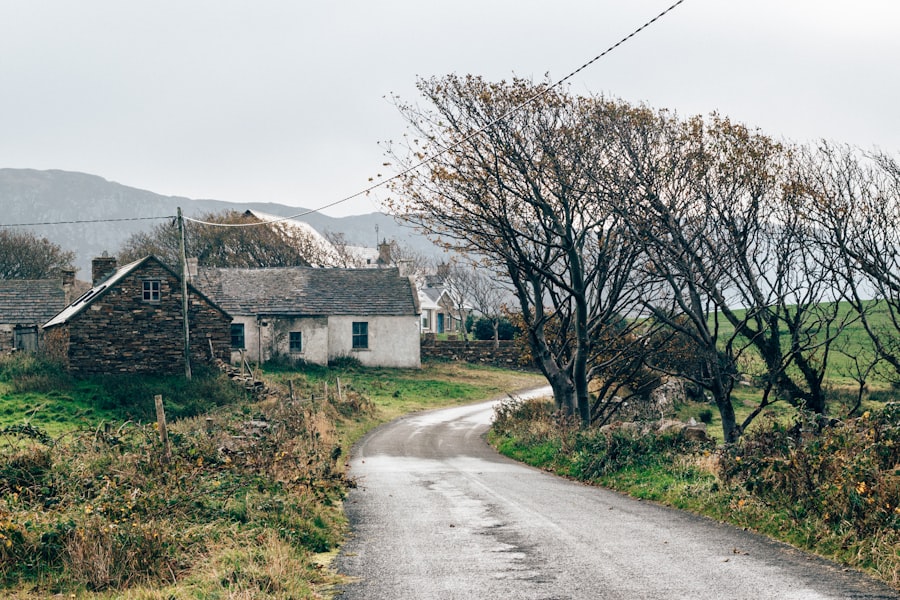
If you have recently been left a house or a cottage, you might be wondering how to inherit property Ireland without getting lost in a maze of paperwork and legal jargon. Trust me, I have been there myself when my aunt passed away and left me her small bungalow in County Cork. It felt like a blessing, but the whole process was a bit of a headwreck at first. That is why I put together this step by step guide to help you navigate the whole thing. Right so, let me walk you through it.
What Does It Mean to Inherit Property Ireland?
When someone close to you dies and leaves you a house, a farm, or even a flat, you officially become the new owner. But you cannot just move in or sell it straight away. You need to sort out the legal stuff first. According to the CSO reported recently, the number of property inheritances in Ireland has been rising steadily, so you are not alone in this. The key thing to remember is that inherit property Ireland involves a few clear steps: find out if there is a will, apply for a Grant of Probate (or Letters of Administration if there is no will), pay any Inheritance Tax that is due, and then register the property in your name. Fair enough, it sounds like a lot, but one step at a time.
Step 1: Check the Will and Understand the Estate
First things first you need to see if your loved one left a will. If they did, the will usually names an executor. That executor is the person responsible for dealing with the estate, including the property. If you are the executor, you will need to apply for a Grant of Probate. If there is no will, you become what is called an administrator and you apply for Letters of Administration. Look, it is a fairly straightforward process if you have all the documents. You will need the original death certificate, the will (if there is one), and a full list of the deceased assets and debts. To be honest, gathering these papers can take a while, but it is essential.
What If There Are Multiple Heirs?
Inherit property Ireland gets a bit trickier when more than one person is left the property. For example, if your mam left the house to you and your two siblings equally, you all need to agree on what to do. You might sell it and split the money, or one of you could buy out the others. I have a mate who inherited a cottage with his sister. They spent months arguing over whether to rent it or sell it. Eventually they sold it and it was grand, but they wasted a load of time and money on solicitors fees. My advice: have that conversation early, maybe over a cup of tea.
Step 2: Apply for Probate or Letters of Administration
Once you have the will and the death certificate, you apply for the Grant of Probate (or Letters of Administration) from the Probate Office. This gives you the legal authority to manage the estate. The application includes a form called an Inland Revenue Affidavit, which lists all the assets and debts. According to the RTB, residential tenancy rules might apply if the property was rented out, but that is a separate issue. For most inheritances, you will need to submit the application to the Probate Office in your local district. It can take between 6 and 10 weeks, sometimes longer if the estate is complicated. Anyway, once you get the Grant, you are officially the person in charge of the property.
Step 3: Pay Inheritance Tax (CAT)
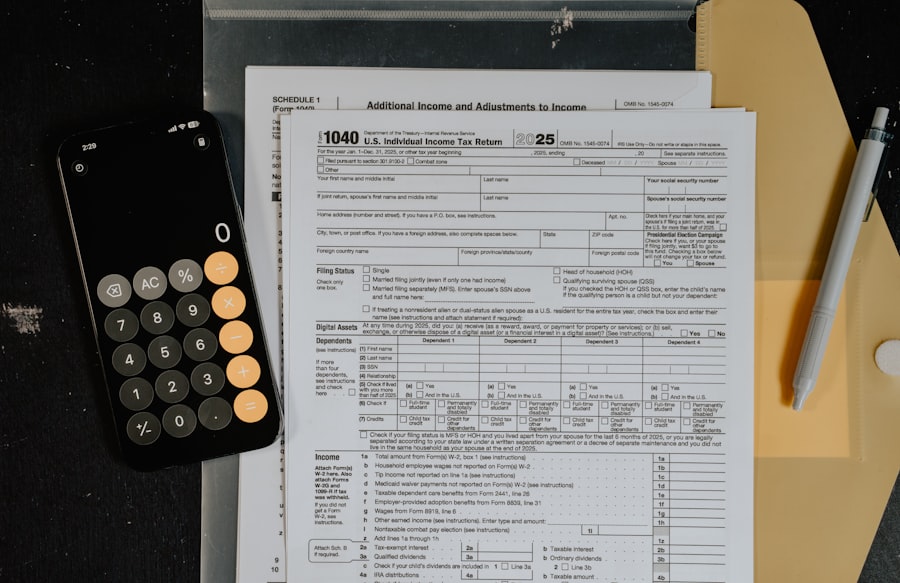
Capital Acquisitions Tax, or CAT, is the tax you pay when you receive an inheritance. The rate is 33% on anything over a certain threshold. The threshold depends on your relationship to the deceased. For a child inheriting from a parent, the threshold is a lot higher than for a niece or a friend. You need to file a tax return online with Revenue within four months of the date of death, even if you think you do not owe any tax. If you miss the deadline, you could face penalties. Inherit property Ireland without paying the right tax could land you in hot water, so get advice from an accountant or a solicitor. To be honest, I had to pay a few thousand euro in CAT on my aunt's bungalow, but it was manageable because I got a valuation done and used the agricultural relief, since the land was let for farming.
Practical Tip: Before you pay any tax, get a professional valuation of the property. Do not rely on what the local estate agent tells you over the phone. A proper valuation from a chartered surveyor will be accepted by Revenue and will also be crucial if you decide to sell the property later. Also, keep receipts for any repairs or improvements done before the inheritance, as they might reduce your tax bill.
Step 4: Register the Property in Your Name
You have the Grant of Probate, you have paid the tax, now you need to officially become the registered owner. In Ireland, you do this through the Property Registration Authority, or PRA. You will need to fill in a Form 1 (if it is a registered title) and send it to the PRA with the Grant of Probate and a map of the property. This can take months, so do not expect to have the deeds in your hand next week. But once it is done, you are the legal owner and you can live in it, rent it out, or sell it. I remember waiting nearly five months for the registration to go through on my aunt's place. It was a bit stressful, but I used the time to get the house ready for sale.
Selling vs. Keeping: Which Is Better?
That is the big question. You might want to keep the property as a family home or a holiday home. Or you might need to sell it to release cash. Inherit property Ireland often comes with a lot of emotional baggage. In my case, I had no real attachment to the bungalow, so I decided to sell it. I listed it on Findivo's property listings and got a decent price within six weeks. If you want to sell, make sure you get the property cleaned up, maybe do a bit of painting, and get a good estate agent. If you want to keep it, check if you need to update the home insurance and pay the Local Property Tax yourself now.
Step 5: Deal with Any Existing Mortgages or Debts
Sometimes the deceased still owed money on the property. If there is a mortgage, you as the heir have to deal with it. You can either pay it off from your own savings, or sell the property and clear the mortgage from the sale proceeds. The bank will be involved, and you will need to keep up the repayments in the meantime. If the house is worth less than the mortgage (negative equity), you might have to negotiate with the bank or walk away, but that is rare. To be honest, it is a pain, but you cannot inherit property Ireland without also inheriting the debts attached to it. Another thing: if the deceased was renting out the property, the RTB rules mean you have to honour any existing tenancy agreements. You cannot just kick the tenant out.
- Check for any outstanding utility bills, local property tax, and service charges.
- Notify the banks, insurance companies, and local council of the death and the change of ownership.
- If the property is vacant, secure it properly to avoid vandalism or squatters.
Common Mistakes When You Inherit Property Ireland
I have seen people make a few classic errors. One is not filing the tax return on time. Another is trying to handle everything without a solicitor. Look, you can save a few hundred euro by doing it yourself, but if you mess up the legal forms, it could cost you thousands later. A third mistake is ignoring the contents of the house. You might find old furniture, jewellery, or even cash. All of that is part of the estate and needs to be declared. I have a friend who inherited a house and found 50 boxes of old photos. He threw them out, and then the other heir complained. It was a mess. Anyway, take it slowly, get professional advice, and keep good records.
- Do not assume you can move in immediately. Wait for the Grant of Probate.
- Do not forget to apply for any reliefs like agricultural or business relief if they apply.
- Do register the property as soon as possible to avoid liability for any accidents.
Final Thoughts on Inheriting Property in Ireland
Right so, that is the whole process in a nutshell. It might seem daunting, but thousands of people successfully inherit property Ireland every year. The CSO reported that over 12,000 property transfers happened through inheritance in the last year, so the system works. Just remember: step by step. First the will and probate, then the tax, then the registration. And if you need to find a buyer or a tenant, you can always check out create a free listing on Findivo to get started. Or if you are looking to purchase a property with inheritance money, browse our properties for sale. And hey, if you inherited a car as well, you can list it on Findivo's car section to sell it fast. All the best with it.