Guide to a schoolhouse conversion Ireland
Thinking of buying a unique heritage home? Here is what you must know about a schoolhouse conversion Ireland project.
Breathing new life into heritage: The schoolhouse conversion Ireland property trend
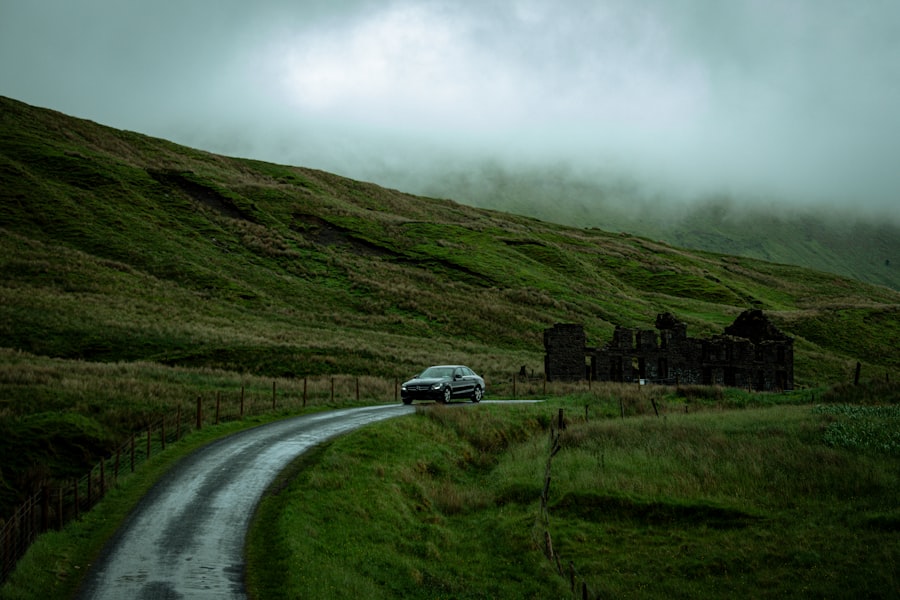
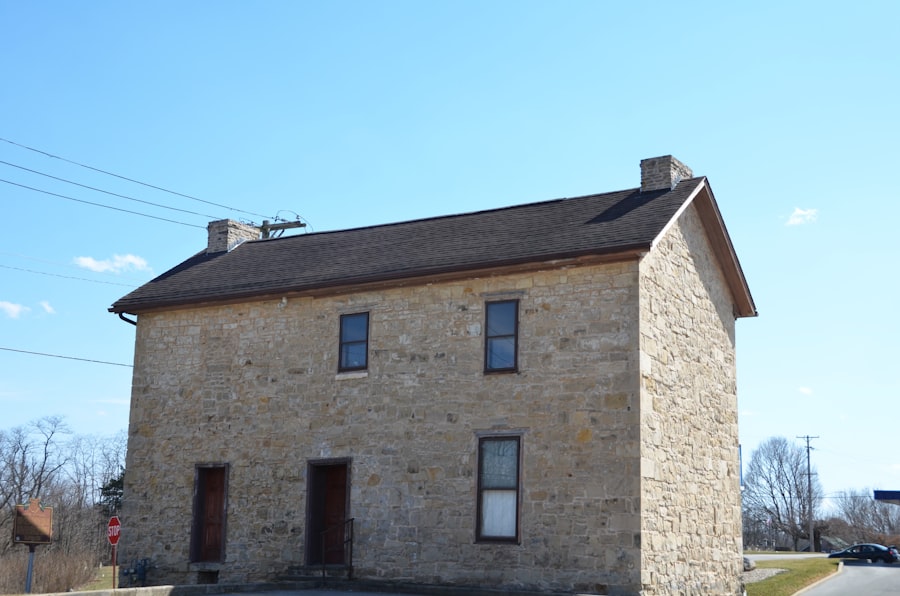
There is a distinct charm to the Irish countryside that often centres on our heritage buildings. Among the most sought after projects for those looking to create a unique home is a schoolhouse conversion Ireland. These structures, often built of local stone and featuring lofty ceilings, offer a structural integrity that is hard to replicate in modern builds. Transforming a disused national school into a residence is a complex journey, but one that rewards the owner with a living space of immense character and history.
Understanding the regulatory landscape
Before you lift a sledgehammer or consult an architect, you must familiarise yourself with the planning requirements. Many old schoolhouses fall under the category of protected structures. Even if yours is not officially listed, local planning authorities maintain strict guidelines regarding the preservation of the building envelope. You should spend time on the Citizens Information website to understand the specific obligations regarding planning permission for change of use.
- Check if the building is included in the Record of Protected Structures for your county.
- Consult with a conservation architect who has specific experience in historic building restoration.
- Request a pre-planning meeting with the local authority to discuss your proposed changes to the exterior fabric.
If you find that the structure is not suited to your needs, you might explore other options via our listings to find a site or property that better aligns with your vision. The process of renovation is demanding, so ensuring you have the right base is essential.
Mastering the thermal envelope
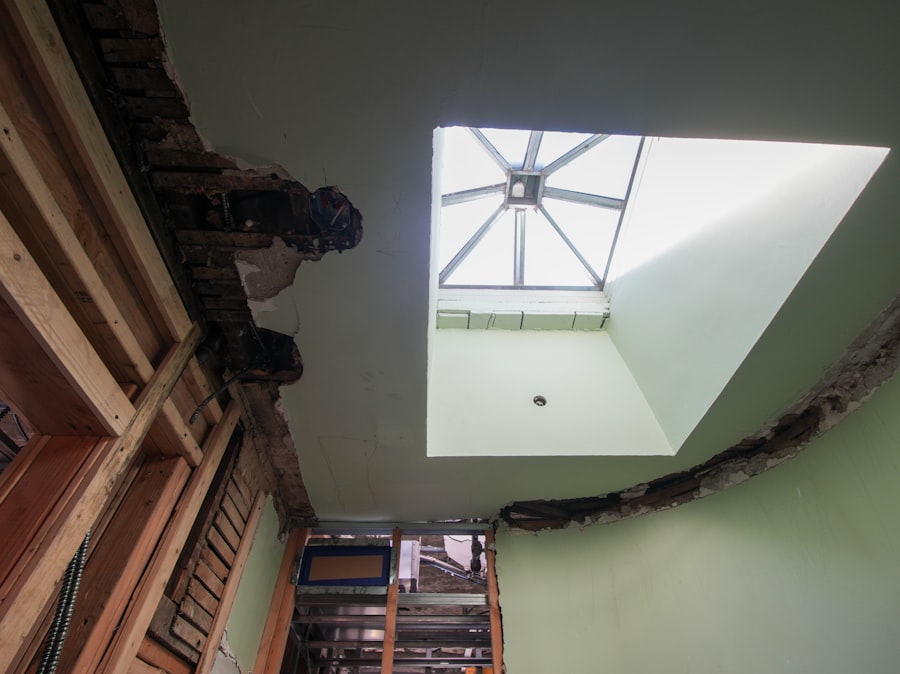
One of the primary challenges you will face is bringing a nineteenth or early twentieth-century building up to modern thermal standards. Old schoolhouses were rarely built with insulation in mind. They were designed for ventilation and communal gathering, not for energy efficiency. According to the SEAI, improving the energy performance of heritage buildings requires a delicate balance between retaining original features and achieving a comfortable internal climate.
Insulation and traditional materials
Do not attempt to apply standard modern insulation methods to stone walls. Using impermeable materials like rigid foam boards can trap moisture against the stone, leading to significant structural damage over time. Instead, focus on breathable systems such as wood fibre boards or lime-based renders. These materials allow the walls to manage moisture naturally, keeping the building healthy and warm.
Practical Tip: Invest in a hygrothermal assessment of the building before starting any insulation work. This specialist report will tell you exactly how the existing walls behave and what materials can be safely added without causing damp issues.
Structural assessment and foundations
Old schools were often built on minimal foundations. Before you add significant weight in the form of new mezzanine floors or heavy roof tiles, you must have the foundations inspected by a structural engineer. Many of these buildings have floors that sit directly on earth or thin layers of sand, which can lead to rising damp if not properly addressed. You may need to excavate the floors to install a proper damp-proof membrane and sub-floor insulation.
If the budget for your renovation is spiralling, consider browsing available rentals to tide you over while you manage your project. Managing cash flow during a major renovation is as critical as the construction work itself.
Creating functional, modern spaces
The beauty of a schoolhouse lies in its large, open windows and high ceilings. When designing your floor plan, try to maintain the integrity of the main schoolroom. Resist the urge to chop the primary space into too many small, dark rooms. Open-plan living areas make excellent use of the natural light provided by those tall windows. If you need additional space, consider glass-linked extensions that contrast with the stone rather than trying to mimic it.
Managing the budget and timeline
Renovations of this nature rarely follow a linear path. It is wise to hold a contingency fund of at least twenty percent of your total budget. Unexpected findings, such as rot in the roof timbers or issues with the original drainage, are common in older properties. If you are financing this project, ensure you have spoken with your bank to verify your options. Should you need to secure a new vehicle for transporting materials or equipment, checking available options can help you plan for the logistical side of the project.
Final steps for your renovation
Once the heavy structural work is complete, you will focus on the finishes. Selecting materials that respect the age of the building is key to a successful finish. Think reclaimed timber flooring, lime plaster walls, and period-appropriate ironmongery. Your final goal is to complete a renovation that feels like it has been part of the landscape for a century, while providing all the conveniences of 2026 living.
If you have not yet secured your property, you might want to create an account to receive updates on new listings. Keep in mind that finding the right schoolhouse conversion Ireland project requires patience. It is better to wait for the building with the right proportions and the right history than to force a project onto a structure that simply does not fit your requirements.
- Source local lime suppliers for traditional mortar mixes.
- Work with joiners who can restore original timber window frames rather than replacing them with PVC.
- Ensure all electrical and plumbing systems are concealed within floor voids or new internal partitions to avoid chasing into historic masonry.
Converting a schoolhouse is an ambitious undertaking that requires a deep respect for the past and a clear vision for the future. By following these steps and working with the right professionals, you will create a home that is as sustainable as it is beautiful.
Frequently Asked Questions
Do I need planning permission for a schoolhouse conversion in Ireland?
Yes, changing the use of an educational building into a residential dwelling always requires full planning permission from your local county council.
Are historic Irish schoolhouses classified as protected structures?
Many old schoolhouses are listed on the Record of Protected Structures, meaning any structural or cosmetic alterations will require specialized conservation consent.
Are there grants available for restoring an old schoolhouse?
You can apply for the Vacant Property Refurbishment Grant or conservation-specific funding like the Built Heritage Investment Scheme depending on the property status.
What is the main structural challenge with schoolhouse conversions?
Upgrading the insulation of solid stone walls and managing dampness without damaging the historic fabric or original timber trusses are the primary challenges.
Where can I check if a schoolhouse is officially listed?
You can search the National Inventory of Architectural Heritage database or request the Record of Protected Structures list directly from the local authority.