UK to Kildare relocation: A Complete Guide
Thinking of a UK to Kildare relocation? Here is everything you need to know about properties, schools, and commuting in Kildare.
Moving across the Irish Sea is an exciting transition, but it requires careful logistical planning. A UK to Kildare relocation has become an increasingly popular choice for professionals, families, and returning emigrants who want the perfect balance of suburban tranquility and metropolitan accessibility. Kildare offers a unique appeal, combining rich heritage, world class horse racing, and thriving multinational hubs with easy access to Dublin. In this guide, we will walk you through the essential steps of making the move, from choosing the right town to navigating the property market and sorting your administrative paperwork.
Choosing Your Kildare Destination
County Kildare is not a single uniform area. The county is generally divided into the bustling northern commuter belt and the more relaxed southern plains. Your choice of location will largely depend on your lifestyle preferences and where you plan to work.
- North Kildare: Towns like Maynooth, Celbridge, and Leixlip are highly sought after by commuters. Maynooth is a vibrant university town with an active student population and excellent rail links to Dublin. Leixlip and Celbridge offer historic charm alongside massive employment hubs, including major global technology companies.
- Mid Kildare: Naas and Newbridge are the commercial heart of the county. Naas is particularly famous for its boutique shopping, high quality restaurants, and excellent local schools. Newbridge offers brilliant amenities, including the Whitewater Shopping Centre, which is one of the largest regional shopping centres in Ireland.
- South Kildare: If you prefer a slower pace of life and more land for your money, towns like Athy and Kildare Town are excellent options. Kildare Town is rich in history, home to the famous Irish National Stud, and offers superb shopping at Kildare Village.
Navigating the Property Market
Finding a place to live is your top priority when moving. The Irish property market operates differently from the UK, particularly regarding the speed of transactions, local terminology, and availability.
Renting in the Short to Medium Term
If you plan to rent when you first arrive, you will find that demand is exceptionally high. According to Citizens Information, landlords must register tenancies with the Residential Tenancies Board, which provides strong protections for tenants regarding rent pressure zones and security of tenure. You should prepare your references, proof of employment, and deposit in advance of your move to secure a property quickly. You can search our current listings for houses and apartments to rent in the area by visiting our Kildare rental properties section.
Purchasing Property in Kildare
Buying a home in Ireland does not involve the UK concept of leasehold for most houses, almost all houses are freehold. However, the closing process can take longer than in the UK, often taking three to four months from agreeing on a price to receiving the keys. If you want to explore the market before you arrive, browse our extensive list of properties for sale to get a feel for local prices. It is wise to engage an Irish solicitor early in the process to handle the conveyancing as soon as you find your ideal home.
Practical Tip: When buying property in Ireland, you must secure an Approval in Principle from an Irish lender if you require a mortgage. UK mortgage approvals are not transferable to Irish properties, so starting this financial application process early is vital.

Taxation, Healthcare, and Administrative Steps
Before you can start working or opening bank accounts, you need to sort your paperwork. Under the Common Travel Area agreement, British citizens have the right to live, work, and access healthcare in Ireland without a visa or residency permit. This makes the administrative transition much smoother than moving to continental Europe.
Your first step is to apply for a Personal Public Service number. This is your unique identifier for taxation, social welfare, and public services. You can apply for this online once you have proof of your new Irish address, such as a utility bill or tenancy agreement.
According to Revenue, you must register your residency and employment details online through their myAccount portal to ensure you are taxed correctly. If you do not do this before your first payday, you will be placed on emergency tax, which takes a significantly higher percentage of your income until your tax credits are allocated. Registering early avoids this financial headache and ensures your take home pay is correct from month one.
Importing Your Car and Getting Around
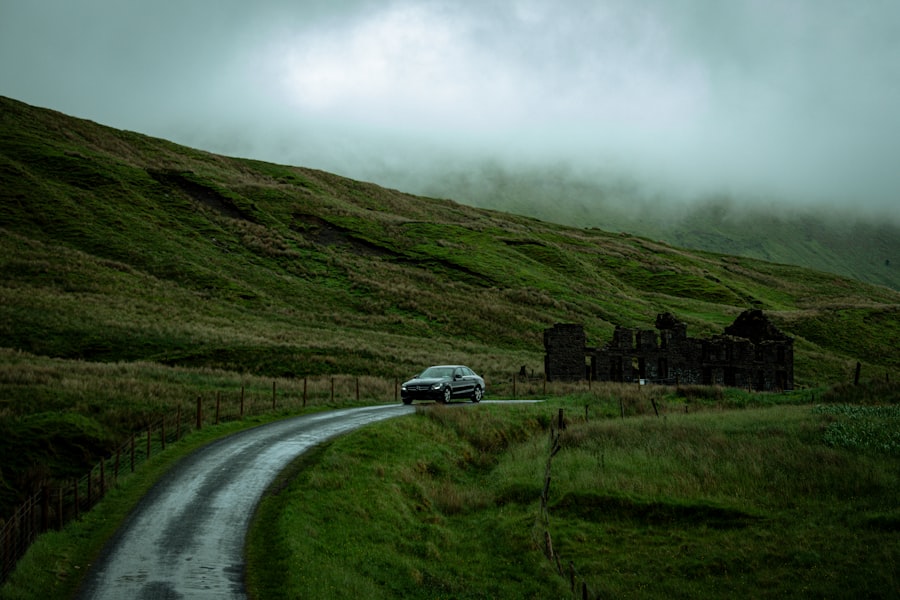
Many people planning a UK to Kildare relocation choose to bring their British registered vehicle with them. While this is convenient, you must be aware of Vehicle Registration Tax, commonly known as VRT. This is a tax levied when a vehicle is first registered in Ireland.
However, you may qualify for an exemption. According to Revenue guidelines, if you have owned the car for more than six months in the UK and are transferring your normal residence permanently to Ireland, you can apply for a transfer of residence exemption. This means you will not have to pay VRT, though you must still register the vehicle and obtain Irish registration plates within thirty days of arrival.
To help you get settled and explore your new surroundings, you can also search for a second vehicle or view local automotive options on our Irish car market platform. Public transport in Kildare is excellent, with regular Irish Rail services running from Maynooth, Naas and Sallins, and Newbridge directly into Dublin Connolly or Heuston stations, making commuting a breeze.
Settling into Kildare Life
Once the logistics are sorted, you can focus on enjoying what Kildare has to offer. The county is a paradise for outdoor enthusiasts, golf lovers, and families.
- Education: Kildare has a wide range of primary and secondary schools. It is advisable to contact local schools well in advance of your move as popular schools in commuter towns can have waiting lists.
- Leisure: From walking along the Grand Canal to attending a race meeting at the Curragh or Punchestown, there is always something to do. The county also boasts world class golf courses, including the K Club, which hosted the Ryder Cup.
- Shopping and Dining: Naas offers some of the finest gastropubs and restaurants in the province of Leinster, while Kildare Village provides luxury outlet shopping that attracts visitors from all over the country.
Planning a UK to Kildare relocation is a significant milestone, but with the right preparation, the process is straightforward. To make your transition smoother and stay ahead of the competitive housing market, register for an account today to receive instant alerts for new listings that match your exact criteria.
Frequently Asked Questions
Do I need to pay VRT when moving my car from the UK to Kildare?
If you have owned the vehicle in the UK for at least six months before moving, you can claim a transfer of residence exemption from VRT.
How do I register my children for schools in Kildare after moving?
You should contact local primary or secondary schools in towns like Naas or Maynooth directly to check for enrolment availability and submit your UK school records.
Can I use my UK driving licence when living in Kildare?
Since Brexit, UK licence holders who take up residence in Ireland must exchange their UK driving licence for an Irish one within one year of moving.
What is the best way to commute from Kildare to Dublin for work?
Kildare is highly connected to Dublin via Irish Rail services from stations like Sallins, Maynooth, and Newbridge, as well as several regional commuter bus routes.
How do I open an Irish bank account from the UK before moving?
Most Irish banks require proof of an Irish address, but some international banks or digital platforms allow you to set up a euro account before your official relocation.