How to Spot Damp in an Irish Property: 7 Signs
Learn to spot damp in an Irish property before you buy or rent. Our 7 signs guide helps you avoid costly repairs and health risks.
If you want to spot damp in an Irish property before it turns into a mouldy nightmare, you need to know exactly what to look for. Look, we live on a damp island – the CSO reported that nearly one in five Irish homes has some form of dampness or condensation. So you are not alone if you have noticed a funny smell or a dark patch. But to be honest, the sooner you catch it, the less it will cost you. A few years back, a mate of mine bought a cottage in Galway. It looked grand from the outside, but within a month the wallpaper was peeling and the place smelled like a wet dog. He had no idea how to spot damp Irish property issues early. Fair enough – it can be sneaky. Anyway, let us walk through seven signs that will help you spot the trouble before it gets out of hand. Right so, grab a torch and let us have a look.
1. A Musty Smell That Just Will Not Leave
You walk into a room and there it is – that earthy, damp smell that clings to everything. It is often the first sign of trouble. Even if you cannot see any water stains, your nose knows. In Irish properties, especially ones with poor ventilation, this odour means moisture is hiding somewhere. To properly spot damp Irish property issues, follow your nose. If the smell gets stronger after a rain shower, you are likely dealing with penetrating damp. If it is constant, it could be rising damp from the ground.
2. Discoloured Walls and Ceilings
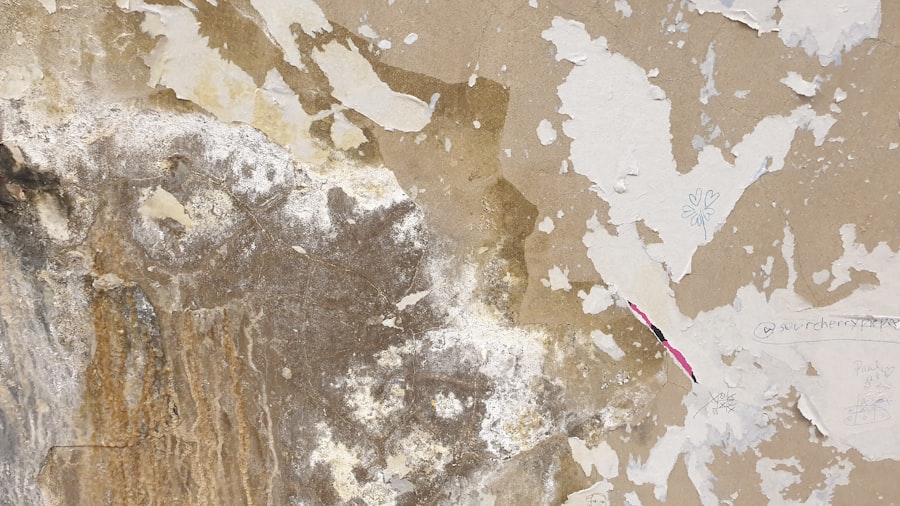
Tide marks, yellow or brown patches, and flaking paint are classic signs. Check behind furniture, curtains, and in corners where air does not circulate. According to the RTB, tenants should report any discolouration to their landlord in writing straight away. I remember helping a friend move a wardrobe in a Dublin rental – the wall behind it was black with mould. The tenant had never moved the furniture. To be honest, it was grim. So always pull your furniture out every few weeks and have a look.
3. Peeling Wallpaper or Bubbling Paint
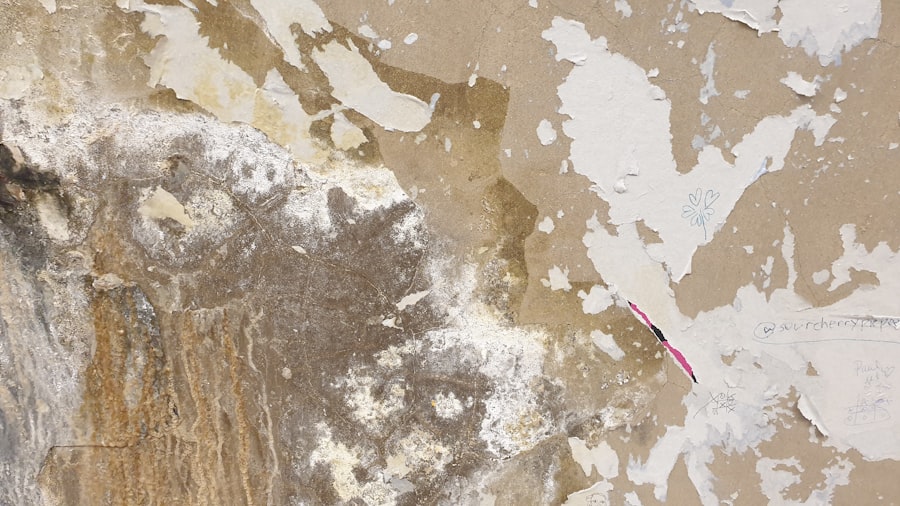
When moisture gets trapped behind the surface, wallpaper starts to lift and paint forms bubbles. This is a dead giveaway. If you see wallpaper peeling at the bottom of the wall, rising damp is likely the culprit. If it is near the top, check the roof or gutters. A quick way to spot damp Irish property issues is to press a hand against the wall – if it feels cold or damp, you have found trouble.