Buying a thatched cottage in Roscommon
Considering purchasing a traditional heritage home? Discover what to look for when buying a thatched cottage in Roscommon.
The timeless appeal of heritage homes
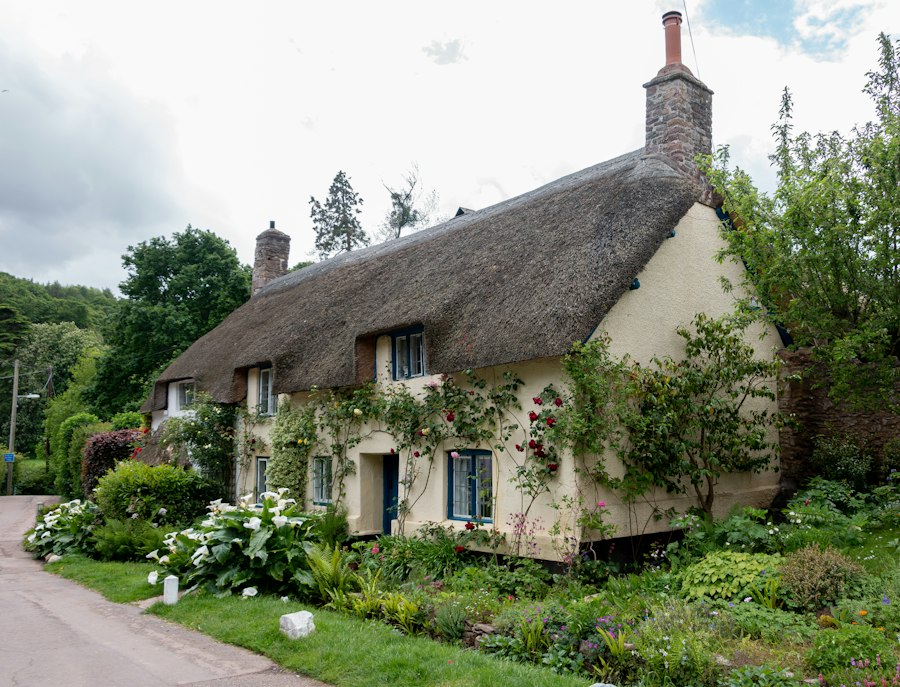
Roscommon offers a landscape defined by rolling drumlins, the winding Shannon, and a sense of quietude that is increasingly rare. For many, the dream of owning a piece of history involves buying a thatched cottage in Roscommon. These structures are not merely houses but living connections to the rural past of the west. While the aesthetic appeal of a whitewashed cottage with a golden reed roof is undeniable, moving from dream to reality requires a clear understanding of the responsibilities involved in maintaining a protected or traditional property.
Understanding the reality of traditional construction
Old cottages were built using materials that breathe. Stone, lime mortar, and thatch require a fundamentally different approach to maintenance compared to a modern block build. When you are looking at buying a thatched cottage in Roscommon, you must evaluate the building envelope with a specialist surveyor. Moisture management is the primary challenge in these homes. If a previous owner has applied modern cement render or plastic based paints to the exterior, the walls may be trapped in a cycle of damp. You should look for properties that have been restored using traditional methods, as these are the ones that will provide a healthy living environment for years to come.
Assessing the condition of the roof
The thatch itself is the most significant maintenance item you will face. A high quality water reed or wheat straw roof can last several decades, but its longevity depends entirely on the local climate and the quality of the workmanship. In the damp environment of the midlands, moss growth and rot can set in if ventilation is poor. You must budget for periodic maintenance, such as ridge repairs or moss treatment, to prevent significant structural damage to the timbers underneath.
Energy efficiency and thermal performance
Many buyers worry about the cold, yet traditional cottages can be surprisingly thermally efficient if treated correctly. According to the SEAI, improving the energy performance of older buildings requires a focus on breathability. You should avoid heavy insulation that does not allow moisture to escape, as this can lead to rot in the roof timbers and damp issues in the walls. Instead, look into measures such as lime plastering and draught proofing windows, which respect the original fabric of the building.
Practical Tip: Before you sign any contracts, commission a survey specifically from an architect or engineer who has proven experience with protected structures or vernacular Irish architecture. A general survey will rarely capture the nuances of lime mortar or thatch decay.
Navigating the legal and financial landscape
When you decide on buying a thatched cottage in Roscommon, you may find that the property is listed as a protected structure. This classification places specific constraints on any renovations or alterations you wish to make. You will need to consult with the planning department of Roscommon County Council before even minor exterior works commence. While this adds a layer of bureaucracy, it ensures the preservation of the unique heritage that attracted you to the property in the first place.
- Review the Record of Protected Structures for the specific cottage.
- Check the planning history for any unauthorised modifications.
- Verify if the property is currently occupied or vacant, as this impacts potential grant eligibility.
- Ensure your insurance provider is experienced in covering thatched properties, as premiums can be higher due to fire risk.
Financial planning is essential. Unlike standard mortgages, funding for heritage properties can sometimes require a larger deposit or proof of specific restoration expertise. It is worth checking the latest updates from the Central Bank of Ireland regarding lending criteria to ensure you are prepared for the approval process. You can register with us to keep track of new listings that meet your specific criteria for rural heritage homes.
The benefits of rural life in the west
Choosing to live in a cottage in Roscommon provides a connection to a slower pace of life. Whether you are situated near the banks of the Shannon or tucked into the quiet lanes near Strokestown, you are buying into a community. These properties are often located on substantial plots of land, offering you the space to grow your own vegetables or keep bees. The maintenance of the garden and the cottage itself becomes a hobby, providing a sense of satisfaction that a modern, low maintenance home simply cannot replicate.
If you find that a thatched cottage is perhaps more of a commitment than you are ready for right now, you might consider looking at other available properties in the region. There are many stone built farmhouses that offer a similar character without the specific maintenance requirements of a reed roof. If you need to commute or maintain links to larger urban centres, you should also look at our listings for reliable vehicles, as rural living in Roscommon almost always requires a car for daily tasks and shopping.
Planning your next steps
The journey to owning a traditional cottage is rewarding, provided you go in with your eyes open. Do not be afraid to walk away if the survey reveals extensive rot in the wall plates or major issues with the roof structure. There will always be another cottage waiting for the right custodian. By taking the time to understand the building, its history, and the planning environment of County Roscommon, you ensure that your purchase remains an asset rather than a burden.
- Research local craftsmen who specialise in thatching and lime work.
- Familiarise yourself with the tax relief schemes available for the repair of protected structures.
- Join local community groups to get a feel for the area before you commit to a purchase.
- Consider the proximity to local services, as remote cottages offer peace but require more logistical planning.
Your goal is to become the next steward of a home that has likely stood for over a century. If you treat the building with the respect it deserves, it will provide you with a unique and beautiful sanctuary. Should you want to explore different options or simply keep an eye on the market, you can always visit our rental section to get a feel for a specific village before making a permanent move to the area.
Frequently Asked Questions
Are there special insurance requirements for a thatched roof?
Yes, many standard insurers will not cover thatched properties, so you must secure a specialist policy that accounts for fire risk and traditional materials.
What should I prioritise in a pre-purchase survey?
You should hire a surveyor experienced in period properties to specifically inspect the roof structure, chimney condition, and damp-proofing in the lime-mortar walls.
Do I need planning permission for roof repairs?
If the cottage is listed as a protected structure, any major repairs or material changes will require planning permission from the local authority.
Is it difficult to get a mortgage on a thatched property?
Some lenders are more cautious with non-standard construction, so providing a detailed structural survey and proof of specialist insurance is essential for approval.
What is the biggest maintenance cost to consider?
Re-thatching is a significant long-term expense that occurs every 10 to 20 years depending on the material used and the local weather conditions.