Shared Driveway Ireland: Legal & Practical Guide
Buying property with a shared driveway Ireland? Learn about right of way, maintenance costs, and easing neighbourly disputes.
Buying a home is one of the biggest milestones in life, but the realities of property boundaries can sometimes bring unexpected challenges. In many older estates and suburban developments across Dublin, Cork, and Galway, semi detached and terraced homes frequently share access routes. Navigating the rules around a shared driveway Ireland property owners must understand can feel like walking a tightrope between maintaining good neighbourly relations and protecting your legal rights.
Whether you are currently looking at houses on the market or you are already dealing with a neighbour who treats the shared space as their personal parking spot, understanding the ground rules is essential. A shared entrance is more than just a convenience, it is a legal arrangement governed by property deeds, easements, and Irish property law.
The Legal Framework of Shared Access in Ireland
When you share a driveway, your rights are usually defined by an easement. In Irish law, an easement is a right enjoyed by one landowner over the land of another. In the context of a shared driveway, this typically takes the form of a right of way, which allows you to pass over a portion of land owned by your neighbour to access your own property.
This legal right is usually documented in the title deeds of the properties registered with the Land Registry or the Registry of Deeds. According to Citizens Information, property deeds outline the exact boundaries and any rights of way that exist on the land. If you are buying a home, your solicitor must review these deeds during the conveyancing process to ensure the right of way is clearly defined and legally binding.
There are two main ways a right of way exists on a shared driveway. First, it can be an express grant, which means it is written clearly in the deeds. Second, it can be acquired through long term use, known as prescription. However, relying on prescription can be complex, so having a clearly defined written agreement in your deeds is always the safest option.
Common Friction Points and How to Handle Them
Even with the clearest legal documents, daily life can test the patience of the most agreeable neighbours. Shared driveways require a high level of cooperation, and disputes often arise over simple daily habits rather than major legal questions.
The most common issues usually fall into a few distinct categories:
- Obstruction: Parking a vehicle in a way that blocks the other homeowner from entering or exiting their property.
- Deliveries and Visitors: Guests or delivery drivers parking in the shared space, even for a short duration.
- Maintenance: Disagreements over who should pay for repairs, resurfacing, or clearing snow and leaves.
- Alterations: One neighbour attempting to install a gate, fence, or flowerbeds that restrict the usable width of the driveway.
In most cases, the legal right of way is strictly for passing and repassing. This means neither neighbour has the right to park a vehicle on the shared portion of the driveway, even if it is only for a few minutes. The space must remain clear at all times to allow unobstructed access.
Maintenance and Repairs: Who Pays?
When the tarmac begins to crack or potholes develop, the question of cost can quickly lead to tension. Unlike public roads, which are maintained by the local authority, a shared driveway is private property. The responsibility for maintenance generally rests with the homeowners who benefit from the right of way.
Your property deeds should ideally outline how maintenance costs are divided. In many cases, the deeds specify that costs should be shared equally or in proportion to usage. If the deeds are silent on the matter, the general rule of thumb is that those who use the driveway should contribute to its upkeep. If one neighbour causes specific damage, perhaps by having heavy construction vehicles use the driveway, they should cover the cost of those specific repairs.
Parking Etiquette and Obstruction
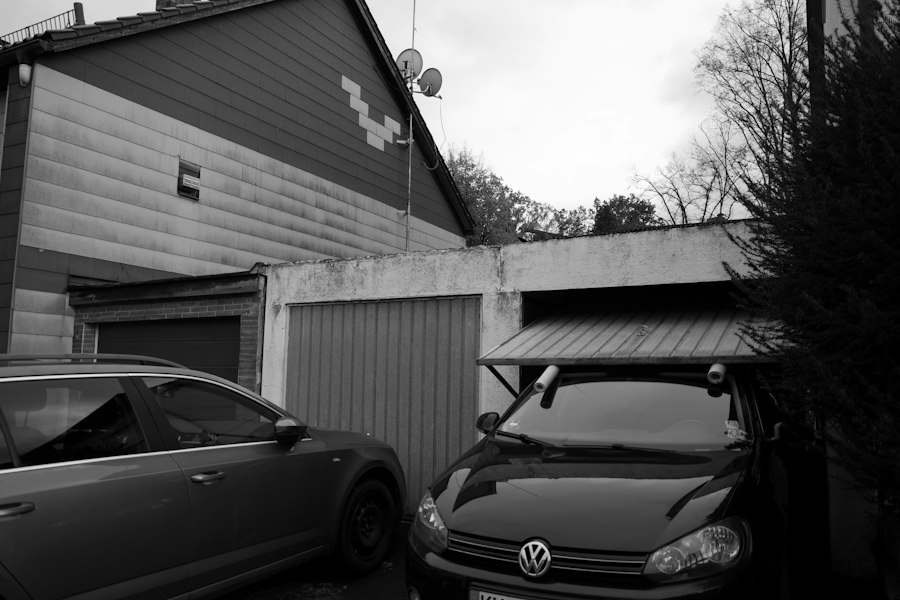
The primary purpose of a shared driveway is access, not parking. If you or your neighbour park a car on the shared zone, you are likely infringing on the other person’s right of way. This applies to visitors, trade professionals, and delivery drivers as well.
Practical Tip: Always keep a clear path wide enough for emergency vehicles. If you are expecting a delivery or hosting an event, speak to your neighbour in advance to ensure they are not inconvenienced by temporary parking.
If a neighbour repeatedly blocks your access, it is important to document the instances. Keep a record of dates, times, and photographs of the obstruction. While taking legal action is a last resort, having clear evidence is crucial if you ever need to involve solicitors or mediation services.
What to Check Before Buying a Shared Driveway Ireland Property
If you are browsing through our properties portal and find a home with a shared entrance, there is no need to dismiss it immediately. Many people live happily with shared driveways for decades without a single issue. However, you must do your due diligence before signing any contracts.
Before making an offer on a shared driveway Ireland property, you should take several practical steps to protect your future investment:
- Inspect the Deeds: Ask your solicitor to thoroughly check the property deeds to confirm the exact boundaries and the nature of the right of way.
- Observe the Layout: Visit the property at different times of the day. Is the driveway wide enough for two modern cars to pass, or will you have to coordinate schedules every morning?
- Talk to the Neighbours: A quick, friendly chat with the immediate neighbour can give you a good sense of their personality and how they view the shared space.
- Check for Physical Barriers: Ensure there are no permanent structures, like walls, hedges, or bins, encroaching on the shared access area.
If you want to keep track of new listings and get updates on properties that match your specific criteria, you can register for an account to receive alerts as soon as new homes come onto the market.
Resolving Disputes and Next Steps
If a dispute does arise, the legal route should always be your last resort. Court battles over property boundaries and rights of way can be incredibly expensive, time consuming, and stressful, often costing far more than the value of the land in question. They also permanently ruin neighbourly relations.
Instead, start with a calm, face to face conversation. Your neighbour may not even realize that their parking habits are causing an issue. If direct communication fails, professional mediation is a highly effective alternative. A neutral mediator can help both parties reach a sensible, written agreement without the need for court intervention.
For tenants living in rented homes, the situation is slightly different. If you are renting a property with a shared access issue, you should contact your landlord or letting agent immediately. According to the Residential Tenancies Board, landlords have a duty to ensure their tenants can peacefully enjoy the property. You can explore rental options and manage your search through our rental listings to find a home that suits your needs.
Ultimately, patience, clear communication, and a solid understanding of your legal rights are the best tools for managing a shared driveway. By keeping the lines of communication open, you can ensure that your home remains a sanctuary rather than a source of daily stress.
Frequently Asked Questions
What legal rights govern a shared driveway Ireland?
A shared driveway in Ireland is typically governed by an easement or right of way registered on the property's folio, granting both neighbours the legal right to pass over the shared area.
Can my neighbour park their car on a shared driveway Ireland?
Generally, no. A shared driveway must remain clear at all times to allow unobstructed access for both parties, meaning parking there is usually a breach of the easement.
Who pays for maintenance of a shared driveway Ireland?
Upkeep costs are typically split equally as outlined in the property deeds, but if the deeds are silent, neighbours must mutually agree on how to share the repair expenses.
What can I do if a neighbour blocks a shared driveway Ireland?
You should first speak with them directly to resolve the issue. If the blocking persists, you can have a solicitor issue a formal letter highlighting the breach of access rights.
Can I build a fence down a shared driveway Ireland?
No, you cannot erect a fence or any barrier if it obstructs or narrows the registered right of way, as this constitutes an illegal interference with your neighbour's access.