Buying a historic gate lodge in Wicklow
Discover what you need to consider before purchasing a historic gate lodge in Wicklow, from planning rules to heritage grants.
There is a distinct romanticism associated with the Garden County. The dramatic sweep of the Wicklow Mountains, the ancient woodlands of Glendalough, and the quiet coastal stretches draw thousands of people who want to escape the noise of Dublin. For many, the ultimate dream is not a modern suburban build but a home with a story. Buying a historic gate lodge in Wicklow offers a rare opportunity to own a piece of Irish architectural history, wrapped in the lush green landscapes of Leinster. These miniature castles, originally built to guard the entrances of grand estates, have become some of the most sought after character properties on the market.
The Historic Appeal of Wicklow Estate Properties
Wicklow is uniquely rich in estate architecture. During the eighteenth and nineteenth centuries, vast estates like Powerscourt, Russborough, and Luggala shaped the landscape. The gate lodges built at the boundaries of these estates were designed to impress visitors before they even reached the main house. They reflected the architectural style of the main manor, whether that was Gothic Revival, Tudor, or classical Georgian.
Today, these buildings stand as self contained historical monuments. When you purchase a gate lodge, you are not just buying stone and mortar. You are acquiring a legacy of craftsmanship that is almost impossible to replicate today. The heavy granite detailing, the hand carved timber bargeboards, and the lancet windows are features you simply cannot find in modern developments. However, transitioning these historic structures into comfortable modern homes requires a delicate balance of respect for the past and realistic planning for the future.
Navigating the Realities of Protected Structures
Before you fall in love with the gothic windows of a gate lodge in Wicklow, you must understand the legal and architectural responsibilities that come with ownership. The vast majority of these buildings are listed on the Record of Protected Structures. This classification means the building is protected under the Planning and Development Act, which places strict legal obligations on the owner to prevent damage or decay.
Understanding the Record of Protected Structures
Being on the Record of Protected Structures means that both the interior and exterior of the building are safeguarded. You cannot simply knock down internal walls, replace original windows with modern double glazing, or add a standard extension. Any work you carry out will usually require planning permission, and the local authority will require you to use conservation grade materials and techniques.
The Section Five Declaration
Before undertaking any work, your first step should always be to apply for a Section Five Declaration from Wicklow County Council. This document clarifies what works are considered exempted development and what works require full planning permission. It is a vital tool that can save you thousands of euros in costly mistakes and legal disputes down the line.
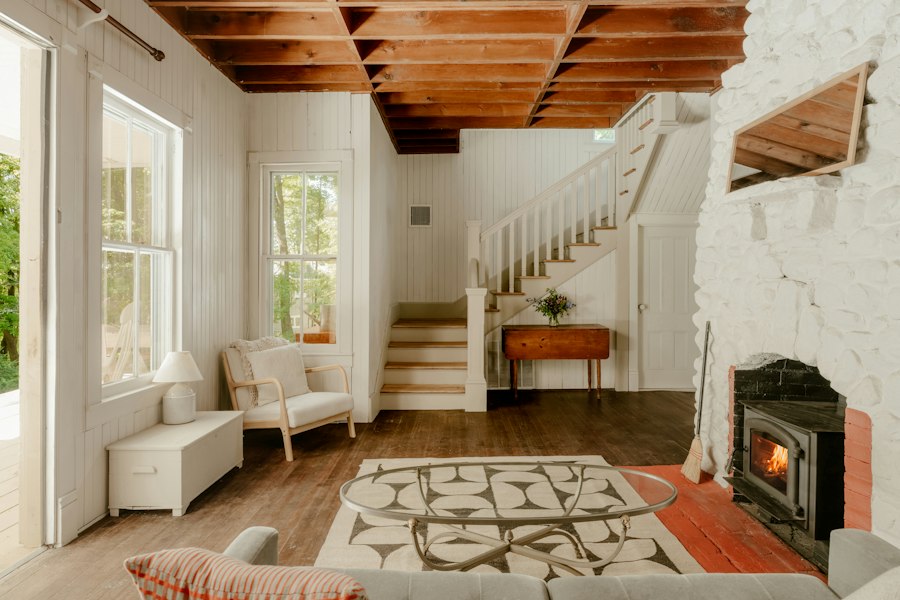
Heating and Retrofitting an Antique Stone Home
One of the greatest challenges of living in a nineteenth century stone building is keeping it warm. These homes were built to breathe, using lime mortar and solid stone walls. Applying modern, non breathable insulation materials like dry lining or rigid foam can trap moisture, leading to severe dampness and timber rot.
According to the Sustainable Energy Authority of Ireland, older buildings require a different approach to energy efficiency compared to modern cavity wall homes. The Sustainable Energy Authority of Ireland provides specialized guidance and grants for retrofitting traditional buildings, emphasizing the use of breathable materials like wood fiber insulation and lime plaster. Rather than aiming for an A rating on the Building Energy Rating scale, which is often structurally impossible or destructive to the building fabric, the goal should be to improve comfort while preserving the historic character.
Practical Conservation Tip: Never use modern Portland cement to repoint old stone walls. Cement traps moisture inside the wall, causing the stone to flake and decay during winter frosts. Always use traditional NHL, natural hydraulic lime, mortar which allows the building to breathe and shed moisture naturally.
If you are planning a major renovation project and need a temporary place to live while the heavy work is completed, you can check out properties to rent to find a local base in the area.
Structural Surveys and Hidden Costs
The purchase price of an unrestored gate lodge is often just the entry fee. The true cost of ownership lies in the restoration. When buying any historic building, a standard structural survey is not sufficient. You need to hire a chartered surveyor who specializes in architectural conservation and historic buildings.
According to Citizens Information, historic homeowners can sometimes access financial support through schemes like the Built Heritage Investment Scheme or the Historic Structures Fund. These grants are administered through the local authority and can help offset the cost of urgent structural repairs, such as roof stabilization or the restoration of original windows. However, these funds are highly competitive and require detailed applications from conservation professionals.
When inspecting a potential purchase, pay close attention to these common problem areas:
- Roof timbers and slate cladding, as water ingress is the fastest destroyer of historic buildings.
- Rising damp and ground levels, where modern roads or gardens have been built up above the original damp proof course.
- The condition of the timber windows, which should be repaired by a specialist joiner rather than replaced.
- The presence of dry rot, a destructive fungus that thrives in dark, unventilated spaces behind old plasterwork.
Securing Your Piece of Wicklow History
Finding a historic gate lodge in Wicklow requires patience and preparation. These properties do not come to the market often, and when they do, they attract significant interest from heritage enthusiasts and buyers looking for a unique retreat.
To put yourself in the best position to buy, you should have your finances fully arranged. Getting a mortgage on a protected structure that requires significant renovation can be more complex than securing a loan for a standard semi detached house. Lenders will often require a detailed cost breakdown of the proposed works from a qualified conservation architect before releasing funds.
If you are ready to begin your search for a unique home, you can explore the latest listings of properties for sale to see what historic gems are currently available. To ensure you do not miss out when a rare property hits the market, make sure to register your details for instant alerts.
Before you make an offer on any historic property, consider the following checklist:
- Consult with the Wicklow County Council heritage officer to discuss any known history or restrictions on the property.
- Check if the property has a safe, modern sewage treatment system, as many old lodges rely on outdated septic tanks that do not meet current environmental standards.
- Ensure there is adequate access and parking, as many gate lodges sit very close to busy regional roads.
- Factor in the cost of specialist insurance, which can be higher for listed buildings due to the cost of rebuilding with traditional materials.
While the journey of restoring a gate lodge in Wicklow is filled with challenges, the reward of living in a beautifully preserved piece of Irish history is unmatched. You become the custodian of a building that has stood for over a century, ensuring it survives for generations to come.
Frequently Asked Questions
Are most gate lodges in Wicklow classified as protected structures?
Yes, many historic gate lodges are listed on the Record of Protected Structures, meaning any structural alterations or repairs require rigorous planning permission.
Can I extend a gate lodge in Wicklow?
Extending is possible but highly regulated. Any new extension must respect the original architectural character, scale, and materials of the historic building.
Are there heritage grants available for restoring a gate lodge?
Yes, buyers can apply for the Built Heritage Investment Scheme or the Historic Structures Fund through Wicklow County Council to help fund restoration works.
What should I look for during a structural survey of a gate lodge?
You should hire a conservation specialist to check for rising damp, solid stone wall breathability, roof timber rot, and the condition of original sash windows.
How does insurance work for a historic gate lodge?
Standard home insurance policies rarely cover protected structures. You will need a specialist heritage insurer who understands the high cost of traditional rebuilding materials.