Buying Property with a Private Well Ireland
Buying a rural home? This guide explains the risks and checks for a private well Ireland to ensure safe drinking water.
Moving to the Irish countryside often means trading the convenience of urban infrastructure for the tranquility of rural life. For many buyers browsing rural listings, this transition involves a significant shift in how basic utilities are managed. One of the most critical components of a rural home is its water source. When you are considering buying a property with a private well Ireland, you are taking on a responsibility that city dwellers rarely have to think about. Instead of receiving a quarterly bill from Uisce Eireann, you become the manager of your own mini utility company, responsible for the quality, safety, and supply of your household water.
This independence can be a great asset. You have no water charges and a direct connection to the local water table. However, it also means that if the pump fails at three o'clock on a Sunday morning, or if the water quality drops after heavy rain, the solution rests entirely on your shoulders. Understanding the mechanics and the legalities of these systems is essential before you sign a contract or register your interest in a rural property. It is not just about whether the water flows from the tap, it is about what is in that water and how the system is protected from environmental factors.
What to Expect When Buying a Property with a Private Well
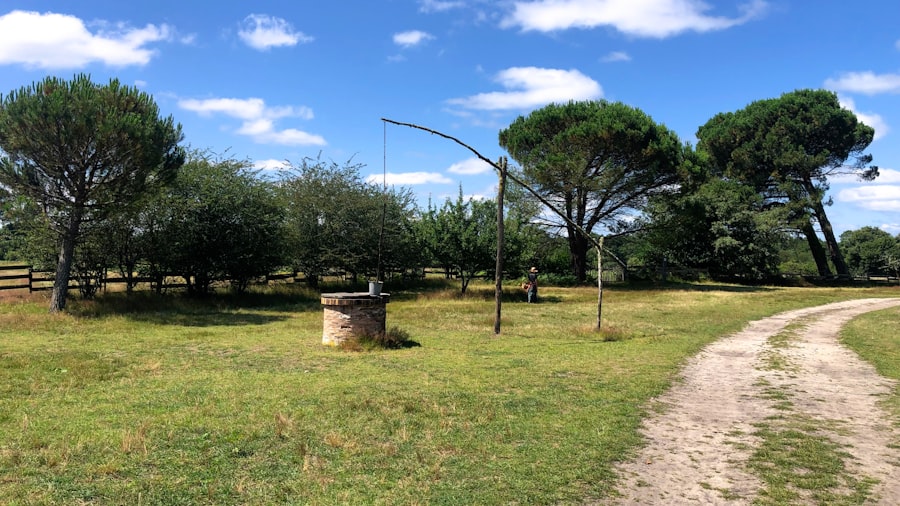
The first thing to understand is that a private well is more than just a hole in the ground. It is a complex system consisting of a borehole, a submersible pump, a pressure vessel, and usually a filtration system. The depth of these wells can vary significantly depending on the local geology. In some parts of the country, you might hit a reliable aquifer at thirty meters, while in other areas, the driller might need to go down over one hundred meters to find a consistent supply.
According to the Central Statistics Office, a substantial portion of the Irish population, particularly in rural counties like Cavan, Monaghan, and Galway, relies on private water supplies rather than the public mains. This is a standard part of rural living, but it requires a different level of due diligence during the purchasing process. You should always ask the current owner for the service history of the pump and any recent water test results. If the system is old, the pump might be nearing the end of its lifespan, which can be an expensive fix shortly after moving in.
The location of the well on the site is also a vital consideration. There are strict regulations regarding the distance between a well and a septic tank or percolation area. If a well is located too close to a wastewater system, the risk of contamination increases dramatically. During your structural survey, ensure your engineer checks the site map to verify that the well head is properly protected and situated at a safe distance from any potential sources of pollution.
The Financial Implications for Buyers
While the absence of a water bill is a financial plus, there are other costs associated with maintaining a private well Ireland. Electricity is required to run the submersible pump every time you turn on a tap. While this cost is generally low, it is a constant factor. The real costs lie in the maintenance of filtration systems. If the water in the area is hard, you will need a water softener to protect your appliances and plumbing from limescale buildup. If there are high levels of iron or manganese, specialized filters are necessary to prevent staining on clothes and fixtures.
Lenders are also very specific about water quality. If you are applying for a mortgage, the bank will almost certainly require a water potability certificate. This is a document from a certified laboratory proving that the water is free from harmful bacteria and that chemical levels fall within safe limits. If the test fails, the bank may refuse to release funds until a proper treatment system, such as a UV sterilizer or a reverse osmosis unit, is installed and a clear retest is provided.
Pro Tip: Always insist on a fresh water test as a condition of your purchase contract. Even if the seller has a test from two years ago, water quality can change seasonally, especially after periods of heavy flooding or prolonged drought.
Water Quality and Health Standards
Health is the most important factor when dealing with private water. The Environmental Protection Agency (EPA) has frequently highlighted that a significant percentage of private wells in Ireland are contaminated with E. coli or high levels of nitrates. Contamination often happens because the well head is not properly sealed, allowing surface water or runoff from agricultural land to seep into the groundwater. This is particularly common in areas with intensive farming or limestone landscapes where water travels quickly through the ground without being naturally filtered.
Nitrates are another concern, particularly in the south and east of the country where tillage and dairy farming are more common. High nitrate levels are not removed by boiling the water. In fact, boiling the water increases the concentration of nitrates. If you are planning to start a family or have young children, ensuring the water is nitrate-free is a non negotiable safety requirement. Most modern filtration systems can handle these issues, but they require regular bulb changes and filter replacements to remain effective.
Securing Your Mortgage
The process of securing a mortgage for a property with a private well is slightly more involved than for a house on the mains. Most Irish banks will require your solicitor to confirm that the well is located within the boundaries of the property and that there are legal easements in place if any part of the system, such as a pipe or a pump house, sits on a neighbor's land. This is a common issue with older farmhouses where a well might have been shared between siblings or neighbors for generations.
If you are looking to rent a rural property before buying, you should still ask about the water supply. Tenants have a right to clean, wholesome water, and the landlord is responsible for ensuring the system is functional and safe. For buyers, the burden of proof is on you to satisfy the lender. If the well is shared, you need a formal legal agreement that outlines who is responsible for electricity costs, repairs, and access for maintenance. Without this, the property may be considered unmortgageable.
Maintenance and Long Term Management
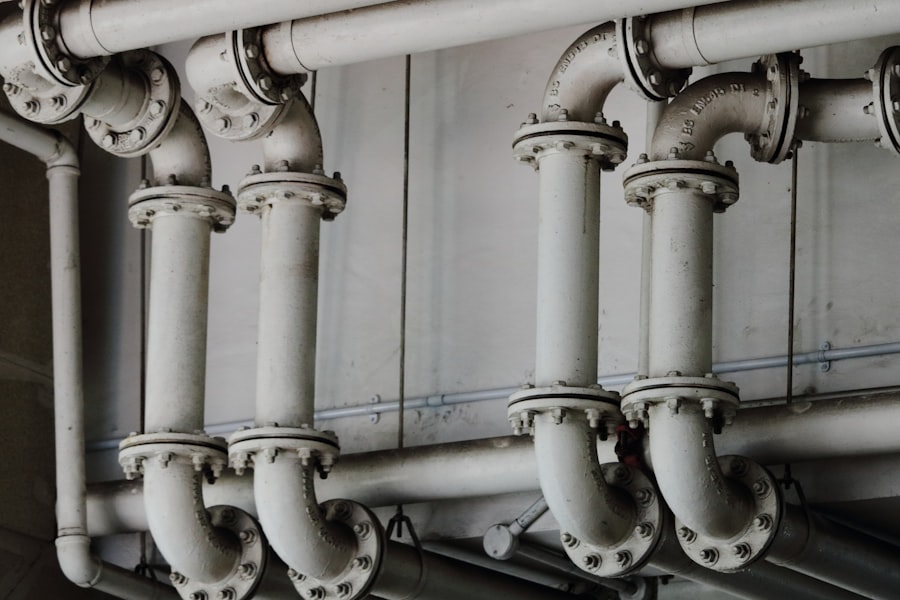
Once you have moved in, the maintenance of the system becomes part of your annual routine. It is advisable to have the water tested at least once a year, ideally after a period of heavy rain. You should also keep an eye on the pressure vessel. This is the large tank, often located in a shed or utility room, that keeps the water pressure steady. If you notice your pump clicking on and off every time you wash your hands, the pressure vessel may need to be recharged with air or the internal bladder may have failed.
- Check the well head cover annually to ensure it is watertight and free from vermin.
- Replace UV lamps every twelve months, regardless of whether they look like they are working.
- Service the water softener and replenish the salt blocks regularly to prevent limescale.
- Keep an eye on the color and taste of the water, as changes can indicate a breach in the casing or a change in the water table.
Managing a private well Ireland also requires being mindful of your water usage during the summer months. While Ireland is not known for droughts, a particularly dry summer can cause the water table to drop. If your well is shallow, you may find your supply running low. Being conservative with water use during these periods is essential to prevent the pump from running dry, which can burn out the motor and lead to a very expensive replacement bill.
Availing of Government Grants
The good news for those buying older properties is that financial assistance is often available. The Department of Housing, Local Government and Heritage provides grants for the improvement of private water supplies. These grants are administered by the local authorities and are designed to help homeowners who need to drill a new well, deepen an existing one, or install a necessary treatment system. To qualify, the house must be over seven years old and must not have a connection to a public or group water scheme.
The grant can cover a significant portion of the costs, often up to eighty five percent of the qualifying works, subject to a maximum limit. This is a vital resource if you find that the property you have bought has a failing system. However, be aware that you cannot usually claim the grant for works that have already started. You must apply and have an inspection from the local council before the driller or the plumber begins the job. This is a great way to modernize an old system and ensure your home has a safe, reliable supply for years to come.
- The grant is means-tested in some instances but generally accessible for primary residences.
- Improvements must be recommended by a water test from an accredited lab.
- The contractor performing the work must be tax compliant and registered.
- New builds are generally excluded as they are expected to have a proper system installed during construction.
Buying a home with its own water source is a rewarding experience that offers a level of self-sufficiency. By doing your homework, performing the necessary tests, and understanding the maintenance requirements, you can enjoy the benefits of rural life without any nasty surprises. It is all about being an informed homeowner and treating your water system with the respect it deserves. When you finally find that perfect spot in the country, having a reliable private well Ireland will be the foundation of your new lifestyle.
Frequently Asked Questions
Is a private well better than mains water in Ireland?
A private well offers independence from national water charges and supply outages, but the homeowner is fully responsible for filtration, testing, and pump maintenance costs.
How often should I test a private well Ireland?
The HSE recommends that homeowners test their well water for bacterial contamination at least once a year and for chemical pollutants every three years.
Can I get a grant for a private well in Ireland?
Yes, you can apply to your local authority for a grant to improve a deficient private water supply, provided the house is your main residence and the well is over seven years old.
What should I check about the well during a property viewing?
Locate the well head to ensure it is capped and protected from surface run-off, and check the utility room for a functioning UV steriliser and particulate filters.
Does a private well affect my Irish mortgage application?
Lenders will typically require a recent 'potability certificate' from an accredited laboratory to prove the water meets safe drinking standards before they approve the loan.