Radon gas testing Ireland: A Home Safety Guide
Learn why Radon gas testing Ireland is a vital step when buying or renting a new home to ensure long-term safety.
When we think about home safety in Ireland, our minds usually drift toward the obvious things like functional smoke alarms, secure locks, or the state of the electrical wiring. However, there is a silent, odorless, and colorless guest that might be residing in your living room without you ever realizing it. Radon is a naturally occurring radioactive gas that originates from the decay of uranium in rocks and soil. Because it is a gas, it can easily seep through cracks in foundations, gaps around pipes, and even through the floorboards of older homes. Understanding the necessity of radon gas testing Ireland is a fundamental part of responsible home ownership and property management.
The geography of Ireland makes us particularly susceptible to this issue. Our landscape is rich in granite and shale, materials that are known to have higher concentrations of the elements that produce radon. While the gas dissipates harmlessly in the open air, it can reach dangerous concentrations when trapped inside a confined space like a house or a basement. For many people browsing properties for sale or rent, the radon status of a building should be just as important as the BER rating or the proximity to local schools.
Understanding the health risks associated with radon
The primary concern with radon is its link to lung cancer. When we breathe in air contaminated with radon, the radioactive particles can damage the DNA in our lung tissue. Over a long period, this damage can lead to the development of cancerous cells. According to the Environmental Protection Agency (EPA), radon is the second leading cause of lung cancer in Ireland after smoking. It is estimated that hundreds of cases of lung cancer every year are linked directly to radon exposure in the home or workplace.
The risk is significantly higher for smokers or former smokers. The combination of tobacco smoke and radon gas creates a synergistic effect, meaning the total risk is much greater than the sum of the individual parts. Even for non smokers, long term exposure to high levels of radon is a serious health hazard that should not be ignored. Because you cannot see, smell, or taste the gas, the only way to know if your family is at risk is to perform a professional test.
How radon gas testing Ireland works in practice
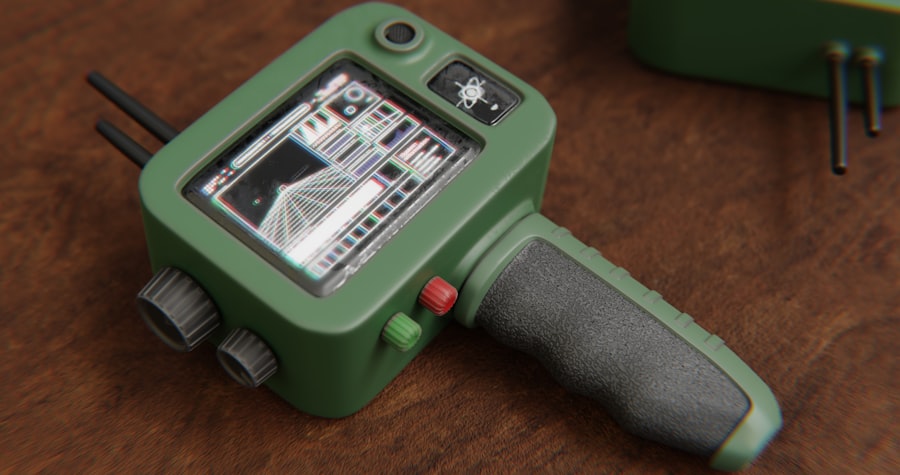
The process of testing a home for radon is remarkably straightforward and does not require any invasive drilling or expensive equipment. Radon gas testing Ireland typically involves placing two small detectors in the home for a period of three months. These detectors are about the size of a jar lid and are usually placed in the rooms where you spend the most time, such as the main bedroom and the living room. They do not emit any noise or light and are completely passive.
The reason for the three month duration is that radon levels can fluctuate significantly based on the weather, the time of year, and how often you open your windows. A short term test might give a misleadingly low or high reading depending on whether it was a particularly windy week or if the heating was turned up high. By measuring the levels over ninety days, the laboratory can calculate an average annual concentration, which is measured in Becquerels per cubic meter (Bq/m3).
Always ensure that the detectors are placed away from direct sunlight, draughts, or sources of heat like radiators, as these factors can interfere with the accuracy of the reading. Once the three months are up, you simply post the detectors back to the lab for analysis.
Long term vs short term testing
While some companies offer digital monitors or short term kits that provide results in a matter of days, these are generally not recommended for making a final decision on home safety or property transactions. The EPA and other health authorities emphasize the importance of the three month average to ensure the data is reliable. If you are in the middle of a property sale and need quicker results, a short term test can act as a screening tool, but it should always be followed up by a full seasonal measurement.
When should you test your home?
Ideally, every home in Ireland should be tested at least once. If you have recently completed significant renovations, such as adding an extension or replacing windows with more airtight double glazing, it is wise to test again. These changes can alter the way air moves through the building and may inadvertently trap radon gas that previously escaped. If you are a tenant, you might want to check if your landlord has already conducted a test. If you are planning to register as a landlord yourself, providing a radon test result can be a major selling point for health conscious tenants.
Identifying high radon areas across the country
While radon can be found in any building in any part of the country, certain regions are classified as High Radon Areas. These are locations where the EPA predicts that more than ten percent of homes will exceed the national reference level of 200 Bq/m3. Parts of the west, particularly Galway and Mayo, as well as large sections of the southeast including Wexford and Wicklow, are known to have higher concentrations due to the underlying granite bedrock.
You can consult the EPA interactive radon map to see the risk level in your specific neighborhood. However, it is important to remember that even in a low risk area, an individual house can still have high radon levels due to its specific construction or the local soil composition. Conversely, a house in a high risk area might have very low levels if it was built with a high quality radon barrier or has excellent natural ventilation. The map is a guide for the community, but testing is the only guide for the individual home.
Solutions for homes with high radon levels
If your test results come back higher than the 200 Bq/m3 reference level, there is no need to panic. Radon issues are almost always fixable, and the solutions are often more affordable than people expect. The goal of radon remediation is to either prevent the gas from entering the house or to remove it before it can build up to dangerous levels.
One of the most common solutions is the installation of a radon sump. This is a small cavity excavated under the floor slab with a pipe leading to the outside. An electric fan is often attached to the pipe to create a low pressure zone that sucks the radon out from under the house and vents it safely into the atmosphere. For homes with slightly elevated levels, improving the sub floor ventilation by clearing existing air bricks or adding new ones might be enough to solve the problem.
- Active Sump: Uses a fan to actively pull gas away from the foundation.
- Passive Sump: Relies on natural air pressure differences without a fan.
- Positive Input Ventilation (PIV): Uses a fan to blow fresh air into the house, creating a slight pressure that prevents radon from seeping in.
- Sealing Cracks: Closing gaps in the floor and around service pipes can supplement other methods.
The cost of remediation
The cost of installing a radon sump generally ranges from 800 to 1,500 Euro depending on the complexity of the job. While this is an additional expense, it is a small price to pay for the long term health of the occupants. Furthermore, having a proven mitigation system in place can protect the resale value of your property. If you are looking at homes for rent, asking about radon levels is a fair question to put to an agent or landlord.
Responsibilities for landlords and homeowners
For landlords, the legal landscape regarding radon is becoming increasingly clear. Under the Safety, Health and Welfare at Work Act, employers are required to test for radon if their workplace is located in a high radon area or is in a basement. While the rules for residential tenancies are slightly different, the Residential Tenancies Board (RTB) emphasizes that landlords must ensure that a property is fit for human habitation. Providing a safe environment includes addressing known environmental hazards like radon.
For those selling a home, radon is frequently becoming a point of discussion during the conveyancing process. Just as a buyer will look at the results of a structural survey, their solicitor may ask if a radon test has been performed. If a test shows high levels, the buyer might request that a mitigation system be installed as a condition of the sale. Being proactive and having your test results ready can prevent delays in the closing process.
The SEAI (Sustainable Energy Authority of Ireland) also highlights the importance of air quality as we move toward more energy efficient, airtight homes. As we seal our homes to keep the heat in, we must be mindful that we are not also sealing radon in. Proper ventilation strategies go hand in hand with energy retrofitting.
Taking the next step for a safer home
Securing your home against radon is one of the most effective things you can do for your long term health. It is a simple, evidence based process that removes a significant risk factor from your daily life. Whether you are a first time buyer searching through new listings or a long term homeowner, the peace of mind that comes with a low radon reading is invaluable. Radon gas testing Ireland is a small investment of time that offers a lifetime of protection.
Start by ordering a test kit from a validated laboratory. Once you receive the results, follow the guidance provided by the EPA or consult with a professional radon remediation contractor if your levels are above the recommended threshold. By taking action today, you are ensuring that your home remains the safe haven it is meant to be for you and your family for many years to come.
Frequently Asked Questions
Is Radon gas testing Ireland mandatory for sellers?
It is not a legal requirement for the vendor to provide a test, but solicitors increasingly advise buyers to request one during the conveyancing process.
How long does a standard radon test take?
To get an accurate average reading of the gas levels, the EPA recommends placing detectors in the home for a minimum of three months.
Where can I buy a radon test kit?
You can order kits from the Environmental Protection Agency (EPA) or various private certified laboratories across the country.
What is a dangerous radon level in an Irish home?
The national reference level is 200 becquerels per cubic metre; anything above this indicates that remediation work is likely necessary.
How do I reduce high radon levels?
For high readings, installing a radon sump or improving sub-floor ventilation are the most effective ways to redirect the gas safely away from the home.