Irish Lead in Drinking Water: What Renters Should Know
Understanding lead pipes risks for tenants. Learn how to test, report issues to landlord, and access safety solutions.
If you are renting a home in Ireland, particularly an older property, you may have heard concerns about lead in drinking water Ireland. It is not a new issue, but it is one that tenants often overlook until it is too late. Lead pipes were commonly used in plumbing before the 1970s, and many buildings constructed before that date still have them. As a renter, you are reliant on your landlord for the condition of the property. Understanding the risks and your rights can help you protect your health and your household.
Why Lead in Drinking Water is a Concern for Tenants
Lead is a toxic metal that can accumulate in the body over time. The World Health Organization has stated there is no known safe level of lead exposure. For young children and pregnant women, the risks are especially serious, including developmental delays and reduced IQ. Adults can experience high blood pressure and kidney damage. In Ireland, the water supply itself is generally treated to be lead free, but old lead pipes and lead solder in household plumbing can contaminate water after it leaves the mains. The Environmental Protection Agency (EPA) has flagged this as a persistent issue in older housing stock. According to the CSO, a significant proportion of Ireland's housing was built before 1980, which means lead plumbing remains a real possibility in many rental properties.
What the Law Says About Lead Pipes in Rental Properties
The Residential Tenancies Board (RTB) sets out minimum standards for private rented accommodation. These standards require that the water supply must be safe and wholesome. That includes ensuring that the plumbing does not introduce lead into the drinking water. If a property has lead pipes or lead lined tanks, the landlord is responsible for replacing them. However, many tenants are unaware that they can request a lead test or ask for documentation about the pipe material. The Housing (Miscellaneous Provisions) Act also places a duty on local authorities to enforce standards. If your landlord refuses to address a lead issue, you can raise a complaint with the RTB or your local authority.
Landlord Responsibilities Under Housing Standards
Your landlord must provide a water supply that meets the legal requirements for quality. This includes the pipes within the property. The regulations do not explicitly list lead in every paragraph, but the requirement for wholesome water implicitly covers it. Landlords who fail to remove lead pipes when asked may be found in breach of their obligations. The RTB has issued guidance stating that tenants should not be left to deal with contamination on their own.
Your Rights as a Renter
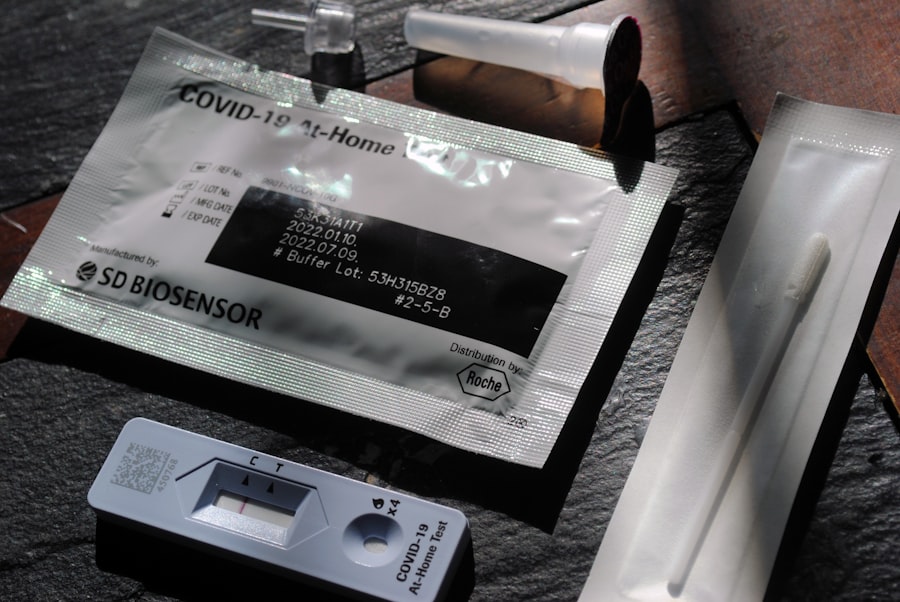
As a tenant, you have the right to a safe home. You also have the right to request repairs and improvements that affect your health. If you suspect lead in your water, you can ask your landlord to arrange a test. If they refuse, you can contact the RTB for advice. You are not required to pay for the testing yourself, though some tenants choose to buy a home testing kit to get a quick indication. Remember that a positive test result must be acted upon by the landlord.
How to Check for Lead in Your Water Supply
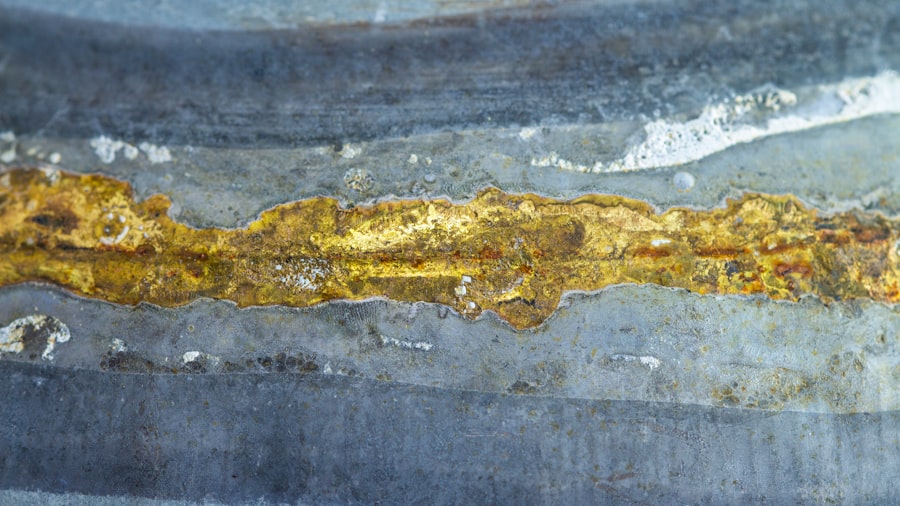
You do not need to be a plumber to spot potential lead piping. Look under the kitchen sink or at the pipework feeding your cold water tap. Lead pipes are soft and dull grey. If you scratch the surface gently with a key or coin, lead will show a shiny, silvery mark. Copper pipes are harder and reddish brown. Plastic pipes are usually blue or grey but will not scratch like lead. Also check the water tank in the attic if you have one. Lead lined tanks were used in older homes.
- Check the pipe leading to your cold water kitchen tap, as that is the water you drink and cook with.
- Look for a bulge or swollen area on the pipe; lead can sometimes deform under pressure.
- If the house was built before 1970, assume there is a risk until proved otherwise.
The CSO reported that housing stock in Ireland has a median age of around 40 years. Many properties in urban areas date from the 1960s and earlier. So a cautious approach is wise.
Steps to Take If You Suspect Lead in Drinking Water
Practical tip: If you are unsure whether your water supply is lead free, request a test from your local authority or a certified laboratory. Many county councils offer free or low cost testing for private wells and older homes. Do not rely on online guesses alone.
Once you have identified a potential lead pipe, the next step is testing. You can purchase a home test kit from a hardware shop, but laboratory analysis is more reliable. Contact your local authority's environmental health office. They may offer advice or direct you to an approved lab. Meanwhile, there are simple steps to reduce exposure:
- Do not drink water that has been sitting in the pipes for more than six hours. Let the tap run for a minute or two before using it for drinking or cooking.
- Use cold water for drinking and cooking. Hot water dissolves lead more quickly.
- Boiling water does not remove lead. In fact, it may concentrate it.
If you confirm lead in your drinking water, write to your landlord by email or registered post. Keep a copy. Request that they replace the lead pipework with a modern material such as copper or plastic. Under the RTB's dispute resolution process, you can apply for an order requiring the landlord to carry out the work. You do not need to wait until you get sick.
Finding a Safer Rental Property
When you are house hunting, it can be difficult to know whether a property has lead plumbing. Ask the landlord or letting agent directly: "Are there any lead pipes in the property?" Some landlords will have had a test done. Others may not know. You can also check the construction year. If the house was built after 1980, lead pipes are unlikely but not impossible. For peace of mind, look at newer developments or those that have been fully renovated. On Findivo.ie, you can filter rental listings by property type and year built using our search tools. Browse rental properties and use the advanced filters to narrow your search. You can also register for alerts on homes that meet your criteria. And if you are also looking for a car to get around, check out cars on Findivo for your next reliable set of wheels.
Lead in drinking water Ireland is not something to ignore. As a renter, you have the power to ask questions, request tests, and demand action. The law is on your side. Use the resources available, from the RTB to your local authority, and make sure the water you drink is safe. Your health is worth the bit of hassle.
Frequently Asked Questions
Is lead in drinking water a common problem in Ireland?
Yes, many older properties, especially those built before the 1970s, may have lead pipes or lead solder, which can leach into drinking water.
How can I check if my rental property has lead pipes?
Look for dull grey pipes with swollen joints; a simple DIY test kit from a hardware store can confirm lead presence.
Am I entitled to a free water test as a renter in Ireland?
Yes, your landlord must provide safe water, and Irish Water offers free testing if you suspect lead contamination.
What are the health risks of drinking lead-contaminated water?
Long-term exposure to lead can cause developmental issues in children, kidney problems, and high blood pressure in adults.
How can I reduce lead levels in my tap water immediately?
Run the tap for 1-2 minutes before using water for drinking or cooking, and use only cold water for consumption.