Top 5 Car Clocking Detection Tips Ireland
Learn how to spot car clocking in Ireland with our top detection tips. Protect your purchase from odometer fraud on Findivo.ie.
Top 5 Car Clocking Detection Tips for Irish Buyers
If you are shopping for a used car in Ireland, you need to know the tricks of the trade. One of the most costly deceptions is car clocking, where a seller or dealer reduces the odometer reading to make the vehicle look younger and less worn. It is a serious offence under Irish law, yet it still happens. In this article I will share practical car clocking detection tips Ireland buyers can use before handing over their hard-earned cash. Whether you are browsing on Findivo or visiting a local forecourt, these checks will help you avoid a wreck disguised as a bargain.
Tip 1: Scrutinise the Service History
A car that has been properly looked after will have a service book that matches the mileage. Do not just glance at the last page. Go through every entry from the first service to the most recent one. The stamps or digital records should show a steady increase in kilometres. A sudden jump backward is a red flag. Many modern dealerships log services electronically, so ask for both the paper book and the digital records if available.
Look for Consistent Mileage Records
Cross reference the service stamps with the dates. If a car was serviced in 2018 at 40,000 km and then again in 2019 at 38,000 km, something is wrong. It could be a simple typo, but it could also be clocking. Also check if the service intervals make sense. A high mileage car that had a service every 30,000 km may have been used for long motorway trips. A car that was supposedly driven only 10,000 km per year but has a new timing belt or brake discs at 60,000 km might have been clocked. Trust the pattern, not the number.
Cross Reference with NCT Records
The National Car Test in Ireland records odometer readings at each inspection. You can request a history check from the Road Safety Authority (RSA) for a small fee. If the NCT mileage shows a drop compared to what the seller states, you have clear evidence of tampering. According to the CSO, over 80,000 used cars were imported into Ireland last year alone. Many of these come from the UK where clocking is also common. Do not rely on a UK MOT history alone, but combine it with Irish NCT records if the car has been tested here.
Practical tip: Always request the original service booklet, not just digital copies. The physical stamps tell a story that a PDF cannot replicate. A missing service book should ring alarm bells.
Tip 2: Examine Physical Wear and Tear
A car's interior and mechanical parts wear out in predictable ways. If the odometer says 60,000 km but the driver's seat has sagged foam, a worn steering wheel rim, and a gear knob that has lost its lettering, you are looking at a car that has done far more. Do the maths. A typical car driven 20,000 km per year will have moderate wear. A car with 120,000 km will have noticeable wear on high touch surfaces but not broken springs. Use common sense.
Pedals, Steering Wheel and Seats
Check the rubber on the pedals. If the brake pedal is smooth and the accelerator pedal is shiny, that car has been used heavily. Look at the steering wheel at the 10 and 2 positions. Leather worn through to the padding suggests high mileage. The driver's seat will usually show more wear than the passenger seat. If both seats look brand new, the seller may have replaced them to hide mileage. Also inspect the condition of the tyres. Uneven wear or a mix of cheap brands may indicate the car was driven hard or poorly maintained. A car clocked to lower mileage may still have original tyres that are bald or cracked, revealing its true age.
Tip 3: Use a Reputable Vehicle History Check
You can buy a full vehicle history check from providers like Cartell or Motorcheck in Ireland. These services access multiple databases including the Vehicle Registration Office, finance companies, and insurance records. They will highlight mileage discrepancies, outstanding finance, and previous damage. It is money well spent. For around 20 euro you can save yourself thousands in future repairs or legal hassle. The Revenue also tracks vehicle imports and registration tax payments. If the car was imported, ask for the VRT receipt. The declared mileage on that receipt should match the current odometer.
When you are ready to buy, browse cars on Findivo to compare listings and sellers. Many private sellers on our platform are genuine, but you should still run a history check before committing.
Tip 4: Trust Your Senses on a Test Drive
A test drive is not just about how the car handles. It is a chance to feel the true mileage. Listen for engine rattles or gearbox whines that are typical of high mileage vehicles. Feel if the gearshift is notchy or if the clutch engages very high. A car with 40,000 km should feel tight and responsive. A car with 140,000 km will have some slack. Pay attention to the brakes. Do they pull to one side? That could mean worn suspension components. Also check the engine temperature. If it struggles to warm up or overheats quickly, the car may have been thrashed.
One real example I encountered involved a 2016 diesel hatchback advertised with 65,000 km. The seller was confident. But during the test drive the gearbox felt loose and the engine had a rattle at idle. A history check revealed the car had been clocked from 156,000 km. The seller had replaced the interior panels to hide the wear, but the mechanicals told the truth. That is why you must trust your senses, not just paperwork.
Tip 5: Check the Car's Import Documentation
Many of the cars sold in Ireland are imported from the UK or Japan. Clocking is particularly common on imported cars because the mileage may have been altered before they left their home country. Ask to see the UK MOT certificates going back several years. The UK government website allows you to check MOT history for free using the vehicle registration. If the mileage recorded in the UK is significantly higher than what is shown now, you have a problem.
According to the Revenue, all imported vehicles must undergo VRT assessment. The VRT form includes a section for odometer reading at the time of import. That reading is a legal record. If the seller cannot produce the VRT receipt, or if the reading on the receipt is higher than the current odometer, you are looking at a clocked car. Do not skip this step.
If you are also looking for a place to live after buying your car, you can view property listings on Findivo for homes near your new commute. And do not forget to register on Findivo to save searches and get alerts for new listings.
Conclusion
Car clocking is not a victimless crime. It puts you at risk of buying a vehicle that is less safe and worth far less than you paid. The car clocking detection tips Ireland outlined above are simple but effective. Start with the service history and NCT records, then use your eyes and hands to check wear. Invest in a professional history check and verify import paperwork. Never rely on a seller's word alone. If a deal seems too good to be true, it probably is.
Take your time. Walk away from any car where the seller is evasive or refuses to provide documents. The used car market in Ireland is full of honest sellers, but a small number of bad actors can cost you dearly. If you are still unsure, bring the car to a trusted mechanic for a pre purchase inspection. That small outlay could save you the nightmare of discovering the truth months later.
Finally, if you are also looking to rent or buy a property, explore what is available on Findivo's rental listings. A reliable car and a secure home are two pillars of a good life in Ireland. Get both right.
Frequently Asked Questions
What is car clocking?
Car clocking is the illegal practice of rolling back a vehicle's odometer to show lower mileage, which fraudulently increases its value.
How can I check if a car has been clocked in Ireland?
Review the service history and MOT/ NCT records, as mileage is recorded at each inspection, and look for inconsistencies.
Are there telltale signs of odometer tampering on the dashboard?
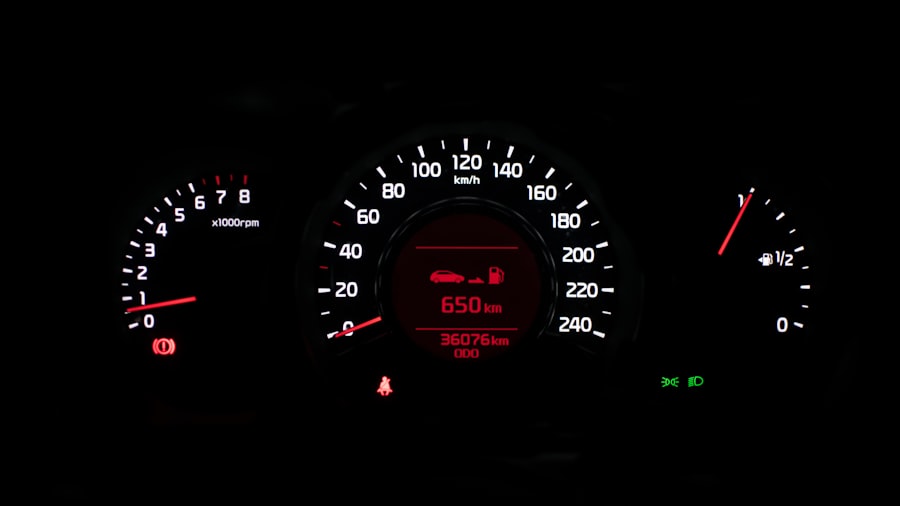
Yes, check for loose or misaligned digital displays, scratches around odometer area, or worn pedals and steering wheel that don't match the low mileage.
What documents should I request to verify mileage history?
Ask for previous NCT certificates, service logs, and a Car History check (e.g., from Cartell or Motorcheck) to cross-reference odometer readings.
Is car clocking common in the Irish used car market?
Unfortunately, it is prevalent, but with careful checks, you can reduce the risk of buying a clocked vehicle.