Avoid Boundary Disputes Ireland Guide
Learn how to avoid boundary disputes Ireland with our practical guide on land surveys, legal checks, and neighbour agreements.
Property lines and fences have a way of turning the most reasonable person into a stubborn negotiator. If you own a home or land in Ireland, you have probably heard a story about a neighbour who insisted a hedge was three feet further into their garden than it actually was. Boundary disputes Ireland are more common than most people realise, and they can escalate quickly. The good news is that many of these conflicts are entirely avoidable with a bit of preparation, clear communication, and a solid understanding of your legal position. This guide will help you protect your property and your peace of mind.
Understanding the Root Causes of Boundary Disputes in Ireland
Boundary disputes rarely appear out of nowhere. They usually stem from a handful of predictable triggers. If you know what to look for, you can spot trouble before it starts.
Common triggers
- Unclear or outdated deeds. Many Irish property deeds, especially older ones, describe boundaries in vague terms such as "the old stone wall" or "the ditch on the north side." These descriptions leave room for interpretation, and interpretations differ.
- Changes over time. Hedges grow, fences rot, and walls collapse. What was once a clear boundary can shift, and neighbours often disagree on where the original line ran.
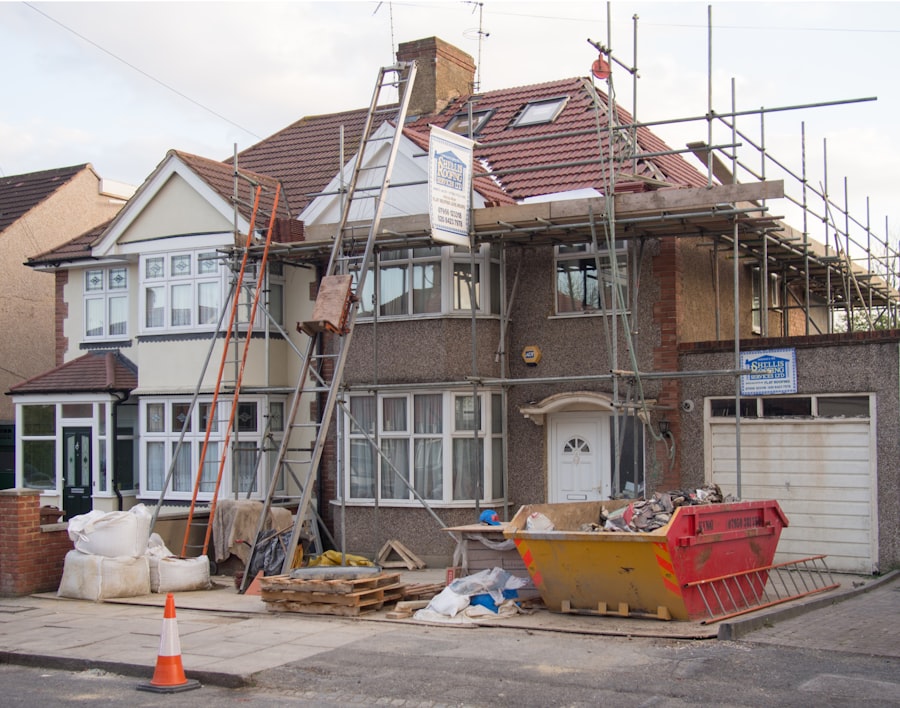
- New builds and extensions. When a property is developed or an extension added, the boundary lines can become contested if the builder misjudges the original plot.
According to the Property Registration Authority, the number of boundary complaints referred to the Land Registry has remained steady in recent years, but the financial stakes involved have risen. A disputed boundary can delay a sale, reduce a property's value, and cost thousands in legal fees.
Your Legal Rights and the Irish System
Understanding the legal framework around property boundaries is essential. In Ireland, the Register of Title held by the Land Registry is the definitive record of land ownership. However, the Registry does not guarantee precise boundary lines. It shows the general extent of your property, not the exact centimetres. This is a critical point that many people miss.
If you are a tenant rather than an owner, your rights are slightly different. While boundary disputes typically involve the landowner, the Residential Tenancies Board (RTB) can handle cases where a neighbour's actions affect your quiet enjoyment of a rented property. But the RTB will not adjudicate on the boundary itself; that remains between the landlord and the neighbour. The Revenue Commissioners also keep an interest in land boundaries through the Local Property Tax system. If your property's valuation changes because of a boundary adjustment, you may need to notify Revenue. It is wise to keep your records accurate.
Steps to Prevent a Boundary Dispute
Prevention is far cheaper and less stressful than litigation. Here is a practical checklist to keep your boundaries clear and your relationships civil.
Before you buy a property
- Check the land registry map. Request an official map from the Land Registry and compare it with the physical boundaries on the ground. If something looks off, ask the vendor for a written explanation.
- Commission a survey. A chartered surveyor can produce a detailed boundary plan. It costs a few hundred euro but can save you from a much larger headache later.
- Review the deeds. Read the folio and filed plan carefully. Look for any rights of way or easements that might affect your boundary.
Maintain your boundaries
Once you own the property, keep fences and hedges in good condition. If a fence post rots or a hedge is overgrown, the boundary can become ambiguous. Replace or repair markers promptly. Take photographs of your boundary lines each year, especially before and after any landscaping work. Those images could prove invaluable in a he-said-she-said argument.
Talk to your neighbours
It sounds obvious, but many disputes start because one party never mentioned they were planning to build a wall or cut down a hedge. A quick conversation over the garden wall can prevent misunderstandings. If you and your neighbour agree on a boundary line, put it in writing. A simple signed note, dated and witnessed, can go a long way in court later.
Practical tip: Before you erect a new fence or wall, take a copy of your land registry map and walk the proposed line with your neighbour. Get their agreement in writing, even if it feels awkward. That single piece of paper can make a boundary dispute disappear before it starts.
What to Do If a Dispute Arises
Despite your best efforts, a disagreement may still occur. Do not panic. There is a clear path forward.
Negotiation and mediation
Start with a calm, face-to-face conversation. Avoid accusations. Focus on finding a solution that both parties can accept. If that fails, hire a mediator. The Mediation Act 2017 encourages the use of mediation for civil disputes, including boundary issues. A mediator costs far less than a solicitor and can often resolve the problem in a single session.
Legal steps
If mediation does not work, you may need legal advice. Your solicitor will first request copies of the land registry folios for both properties. A specialist boundary surveyor may be appointed to produce an expert report. If the case goes to court, the judge will consider the registry documents, historical maps, and witness testimony. However, court cases are public, expensive, and time consuming. They should be your last resort.
Practical tip: Keep a written record of every conversation and every letter related to the dispute. If you make an offer to settle, put it in writing. A judge will look favourably on a party who made reasonable efforts to resolve the issue without litigation.
The Cost of Ignoring Boundary Issues
Some people hope that if they ignore a boundary problem, it will go away. It will not. Unresolved disputes can prevent you from selling your property, as buyers and their solicitors will demand clarity. The CSO has noted that properties with boundary uncertainty can take significantly longer to sell than those with clear title. The financial cost is not just legal fees; it is also the opportunity cost of a delayed sale or a lower price. Even the tax implications can be tricky. If you transfer land to resolve a boundary, the Revenue Commissioners may treat that as a disposal for Capital Gains Tax purposes. Get professional advice before signing anything.
Final Thoughts
Boundary disputes Ireland may feel like a niche problem, but they affect thousands of property owners every year. The key is to stay proactive. Check your deeds, maintain your boundaries, and talk to your neighbours before a fence goes up. If a dispute does arise, address it early with a calm head and a willingness to mediate. And always get the agreement in writing. Your property is one of the biggest investments you will ever make. It deserves your attention. If you are looking for your next home or rental property in Ireland, you can browse listings on Findivo.ie to find a place with clear boundaries and a smooth title. Search properties now or create an account to save your favourites. For tenants, you can also check rentals in your area. And if you are in the market for a new car to help with those site visits, see our cars section as well.
Frequently Asked Questions
What common issues cause boundary disputes in Ireland?
Disputes often arise from unclear property lines, out-of-date maps, or changes to boundaries like erecting fences without agreement.
Do I need a land registry map to settle a boundary dispute?
Yes, your land registry map provides a legal boundary outline, but always get a professional survey for precise measurements.
Can mediation help resolve a boundary dispute in Ireland?
Yes, mediation can resolve disputes without going to court, saving time and costs, but both parties must agree.
What steps should I take if a neighbour imposes on my land?
Talk to your neighbour first; if that fails, seek legal advice and avoid removing anything without a solicitor's guidance.
How long does it take to resolve a boundary dispute legally in Ireland?
It varies from months to years, depending on complexity, but early mediation can speed up resolution.