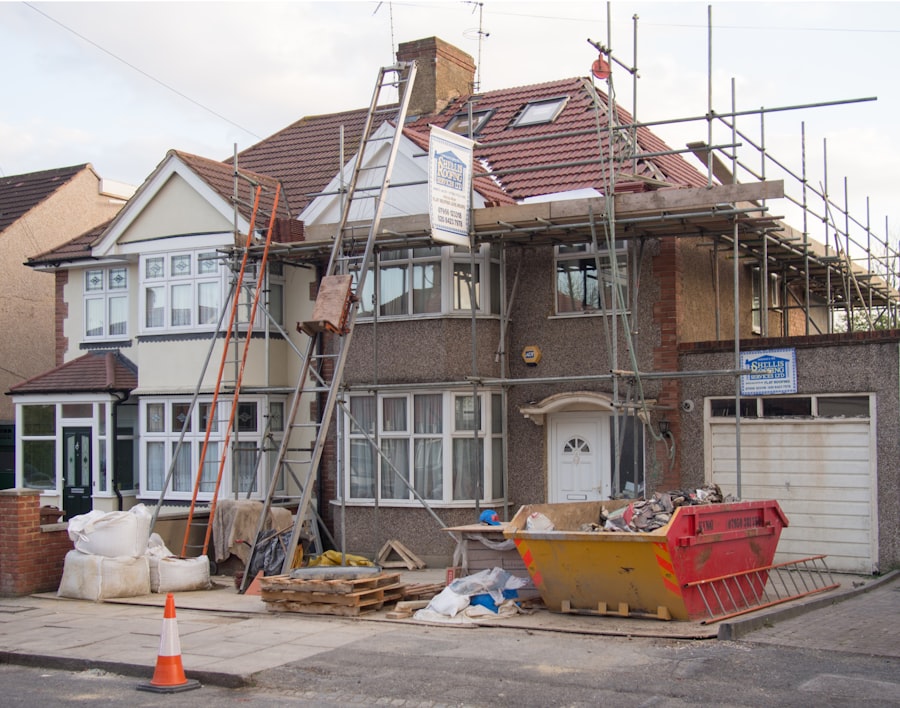
Navigating Flat Complex Disputes in Ireland
Learn how to handle disputes with management companies in Irish flat complexes. Essential guide for owners and tenants.
Navigating Flat Complex Disputes in Ireland
Living in a flat complex can be a great way to enjoy city living, shared amenities, and a sense of community. But when disagreements arise between owners, tenants, or the management company, things can quickly turn stressful. Whether it is a row over management fees, noise complaints, or parking spaces, understanding how to resolve these issues without going to war with your neighbours is essential. This guide will help you understand the common causes and the practical steps you can take when dealing with Flat Complex Disputes Ireland situations. You do not need to be a legal expert, but knowing your rights and the proper channels can save you time, money, and a lot of headaches.
Understanding the Common Sources of Conflict
Most disputes in multi-unit developments fall into a few predictable categories. Recognising the type of issue you are facing is the first step toward a solution. The most frequent flashpoints include:
- Service charges and sinking fund contributions: Disagreements over the amount, what is covered, and how funds are spent are the most common. Owners may feel charges are excessive or that the management company is not transparent.
- Noise and nuisance: Thin party walls, late-night music, or unreasonable behaviour from neighbours can escalate quickly if not addressed early.
- Parking and common areas: Unauthorised parking, blocked access, or disputes over the use of shared gardens, hallways, or bin storage areas.
- Breach of house rules: Pets, smoking, subletting without permission, or alterations to the property that affect the structure or fire safety.
- Management company governance: Owners feeling excluded from decisions, lack of AGMs, or directors acting without proper authority.
According to the Residential Tenancies Board (RTB), noise and anti-social behaviour account for a significant portion of the complaints they handle in the private rented sector, although their remit covers tenancies rather than owner-occupied flats. For owner-occupied complexes, the disputes often fall under the Multi-Unit Developments Act 2011.

The Legal Framework for Flat Owners in Ireland
The Multi-Unit Developments Act 2011 is the main piece of legislation governing flat complexes in Ireland. It requires each development to have an owners' management company (OMC) and sets out rules for how that company should operate. Owners are automatically members of the OMC and must contribute to the service charges and sinking fund. The Act also gives owners the right to access certain information, such as budgets and minutes of meetings.
If you are renting your flat, your dispute is likely with your landlord or the management company acting on their behalf. In that case, the RTB handles disputes between tenants and landlords. The CSO reported in recent years that the private rented sector continues to grow, increasing the need for clear dispute resolution pathways. For owner-occupiers, the RTB does not have jurisdiction. Instead, you may need to use the OMC's internal dispute resolution procedures, mediation, or ultimately the courts.
Practical tip: Before you escalate any dispute, get a copy of your lease or licence agreement and the development's house rules. Many conflicts arise simply because one party did not know what they signed up to. Review the document carefully and check if there is an internal complaints procedure outlined. If there is, follow it to the letter first. It will strengthen your case later if you need outside help.
Practical Steps to Resolve a Dispute
You do not always need to involve lawyers or the courts. Most flat complex disputes can be resolved through a structured, calm approach. Here is a step-by-step process you can adapt to your situation.
Informal Communication First
Speak directly to the other party. A quiet word over a cup of tea or a short email can clear up misunderstandings. If you are dealing with a neighbour, avoid accusations. Explain how the situation affects you and listen to their side. Many disputes start because of poor communication rather than genuine malice. If you are dealing with the management company, put your concern in writing and ask for a response within a reasonable timeframe. Keep copies of all correspondence.
Engaging the Management Agent or OMC
If informal communication fails, the next step is to formally raise the issue with your management agent or the directors of the OMC. Provide a clear, factual summary of the problem and any evidence you have, such as photos, emails, or witness statements. Ask for a specific action to be taken. The OMC has a duty to enforce the house rules and maintain common areas. If they refuse to act or are part of the problem, you may need to call an extraordinary general meeting (EGM) to raise the issue with all owners.
- Make sure your complaint is in writing and dated.
- Request a formal acknowledgment within a set period, e.g., 10 working days.
- If the OMC fails to respond, check your lease for an escalation clause. Some leases require mediation before legal action.
When to Involve the RTB or Seek Legal Advice
For tenancy disputes, the RTB is your primary avenue. They offer mediation and adjudication services for issues like deposit retention, rent arrears, or breach of tenancy obligations. The process is designed to be accessible and less formal than court. You must apply within the relevant time limits, usually 28 days after the dispute arises for certain issues. The RTB website has a step-by-step guide and application forms.
For owner-occupied flats, your options are more limited. You can consider mediation through a private mediator or through the courts service mediation scheme. If that fails, you may need to apply to the Circuit Court for an order compelling the OMC to comply with the law or to enforce the house rules. This is costly and time consuming, so it should be a last resort. Always seek legal advice from a solicitor experienced in property law before issuing proceedings. The Revenue Commissioners may also become involved if the dispute concerns unpaid service charges that affect the tax treatment of the OMC, but that is a niche scenario.
Preventing Future Conflicts
The best way to handle disputes is to prevent them from happening in the first place. Here are two practical approaches to build a more harmonious living environment.
Clear Communication and Written Records
Keep a log of all interactions with neighbours, the management company, and any contractors. If you attend AGMs or EGMs, take notes. If you make an agreement with a neighbour about noise or parking, confirm it in writing. A simple email saying "just to confirm we agreed that your visitor will use space 14 until 6 pm" can prevent confusion later. The legal term for this is "contemporaneous notes" and they carry significant weight in any dispute resolution process.
Knowing Your Obligations Under the Lease
Your lease or licence agreement is the rulebook for your flat. Read it thoroughly when you move in. Understand what you are responsible for, such as maintaining your own balcony or window cleaning, and what the OMC covers. Many disputes arise because owners assume the management company will fix something that is actually their own responsibility. Similarly, tenants often do not realise they are bound by the same house rules as owners. If you are looking to buy or rent a flat, use Findivo to check the property listing for details on management fees and house rules. You can browse available flats on our properties page to see what is on offer.
If you are a tenant, make sure your landlord provides you with a copy of the house rules before you sign the lease. If they do not, request one in writing. For landlords, you should also ensure your lease agreement includes a clause that the tenant must comply with the OMC's rules. You can find more advice on renting through Findivo's rental listings.
Finally, if you are involved in a recurring dispute that seems unresolvable, consider whether the flat complex itself is the right fit for you. Sometimes the most practical solution is to move. Findivo can help you search for a new home with a management structure that better suits your expectations. You can also register for alerts to get notified when new properties come to market.
Navigating flat complex disputes in Ireland requires patience, a clear understanding of your rights, and a willingness to communicate. Start informally, escalate formally, and only bring in outside authorities when you have exhausted internal options. With the right approach, most conflicts can be resolved without lasting damage to your living situation or your relationship with your neighbours.
Frequently Asked Questions
What are the most common causes of disputes in flat complexes in Ireland?
Common causes include noise complaints, service charge disagreements, and issues with shared facilities like parking or gardens.
Where can I find the rules and regulations specific to my flat complex?
Your lease agreement or occupancy contract will outline the specific rules; additionally, the complex's owners' management association may provide a list of regulations.
What should I do first if I have a dispute with a neighbor?
Try to resolve the issue informally by discussing it calmly, and document any conversations before escalating to professional mediation or legal advice.
Is legal action necessary for flat complex disputes in Ireland?
Not always; mediation or using the Residential Tenancies Board (RTB) is often recommended before taking a case to court, as it's less costly and time-consuming.
What role does the owners' management company play in disputes?
They oversee common areas and enforce procedures, but for severe or personal disputes, they typically refer parties to formal resolution mechanisms.