Securing Thatched Roof Insurance Ireland
Finding Thatched Roof Insurance Ireland can be tough. We explore how to secure coverage for your unique heritage home today.
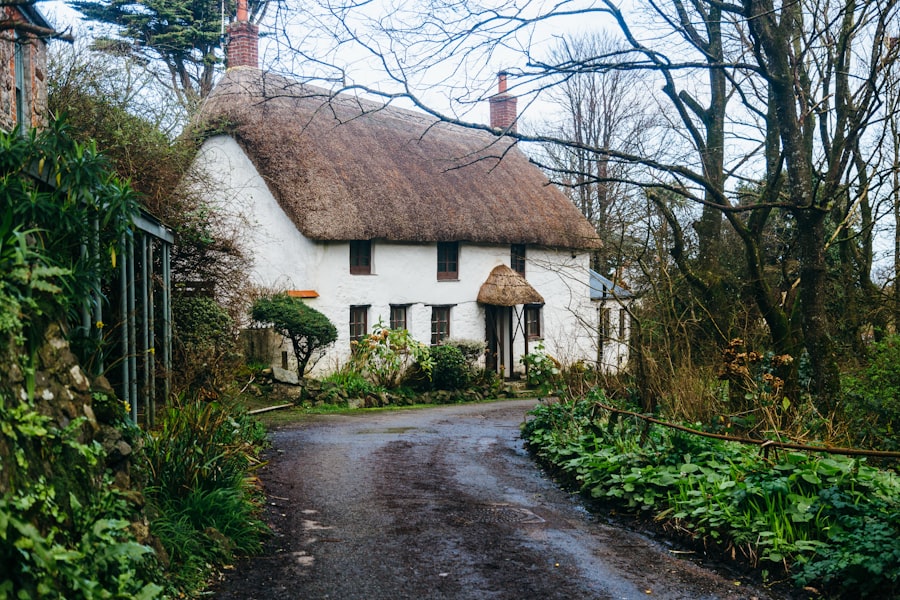
There is an undeniable pull to the traditional Irish thatched cottage. For many, it represents the quintessential image of rural Ireland, a link to a past where craftsmanship and local materials defined our landscape. Whether you are looking at properties in the heart of Connemara or a restored farmhouse in Wexford, the aesthetic appeal of a straw or reed roof is significant. However, as any owner of a heritage home will tell you, the charm comes with a unique set of responsibilities. Chief among these is the task of securing Thatched Roof Insurance Ireland, a process that can be considerably more complex than insuring a standard slate or tile home.
The Irish insurance market has undergone significant shifts in recent years. While standard home insurance is a competitive field, the niche market for thatched properties is much smaller. Only a handful of specialist underwriters are willing to take on the perceived risks associated with traditional roofing materials. This limited competition often leads to higher premiums and stricter requirements for the homeowner. Understanding what these providers look for is the first step in ensuring your home is protected without breaking the bank.
Understanding the Risk Profile
To navigate the world of specialist insurance, you must first view your home through the eyes of an underwriter. The primary concern with any thatched structure is fire. According to data from various heritage bodies, while thatched homes are not necessarily more likely to catch fire than modern homes, the consequences of a fire are often far more devastating. Once a thatch fire takes hold, the dense layers of organic material can act as a fuel source that is incredibly difficult for fire services to extinguish.
Insurers also consider the age of the building. The Central Statistics Office (CSO) has previously highlighted that a significant portion of Irelands housing stock dates back to before the foundation of the state, with many of these being traditional builds. These older structures often have electrical wiring or chimney stacks that were not designed to modern safety standards. Consequently, an insurer will rarely offer a quote without a detailed survey or a list of specific safety upgrades. It is not just about the roof itself, it is about the entire ecosystem of the building and how it interacts with the thatch.
Key Requirements for Thatched Roof Insurance Ireland
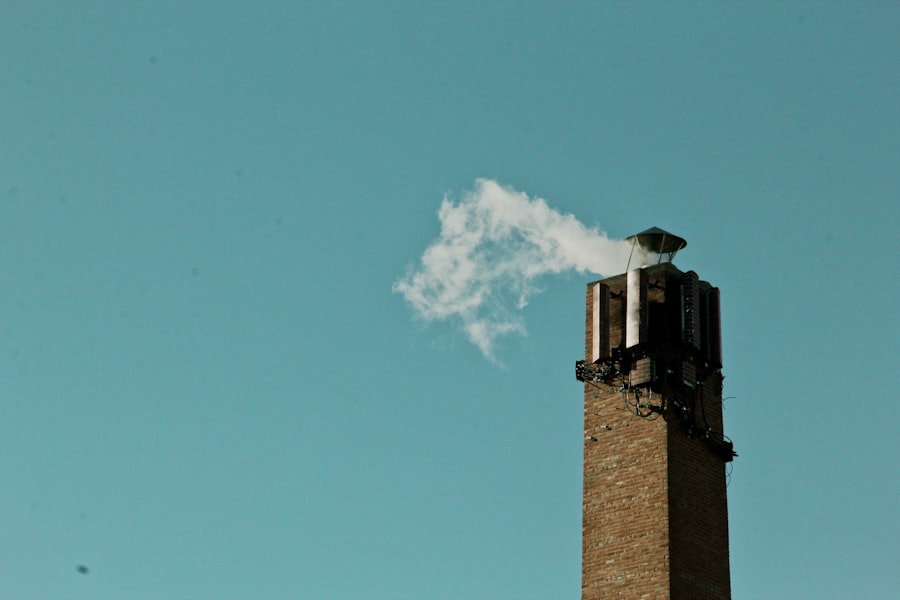
If you are planning to register for a new insurance policy for a thatched home, you should be prepared for a rigorous inspection process. Insurers generally focus on three main areas: the chimney, the electrical system, and the physical condition of the thatch. The chimney is the most common point of origin for thatch fires. Heat transfer through old masonry can ignite the dry straw or reed surrounding the stack. Most insurers now insist on a stainless steel flue liner and a spark arrestor to mitigate this risk.
The electrical system is another major focal point. You will likely be asked to provide a Periodic Inspection Report from a qualified electrician. Any wiring that runs through the attic space must be enclosed in fireproof conduit to prevent a short circuit from starting a fire in the roof space. Furthermore, the thatch itself must be maintained to a high standard. A neglected roof that has become damp or started to rot is seen as a higher risk because it may indicate general neglect of the property.
Professional Tip: Always keep a digital log of your roof maintenance, including dated photographs and receipts from your thatcher. Providing this evidence upfront can significantly speed up the underwriting process and may even help in negotiating a lower premium.
The Importance of Professional Thatching
The type of material used on your roof will also influence your insurance options. In Ireland, we primarily see three types of thatch: water reed, combed wheat reed, and long straw. Each has a different lifespan and a different fire profile. Water reed is generally considered the most durable, often lasting up to thirty years if maintained correctly. Long straw, while more traditional in certain counties, typically requires more frequent attention.
Insurers prefer roofs that have been worked on by recognized master thatchers. They may ask for a certificate of completion or a letter from the thatcher confirming the depth of the thatch and the quality of the ridge. A ridge is the most vulnerable part of the roof and usually needs replacing every eight to twelve years. If you are browsing properties for rent that feature thatch, ensure the landlord has a valid insurance policy in place that accounts for these maintenance cycles, as the responsibility for structural safety remains with the owner.
Fire Suppression and Prevention Systems
In recent years, technology has provided new ways to protect thatched homes. Some owners choose to install fire retardant sprays or fire barriers between the rafters and the thatch. While these can be effective, you must check with your insurer before investing in them. Not all companies recognize every brand of fire retardant, and some may even argue that certain sprays can trap moisture and lead to premature rotting of the organic material.
The Role of Local Authorities and Grants
Maintaining a thatched roof is an expensive endeavor. Fortunately, there are supports available. The Department of Housing, Local Government and Heritage offers grants for the renewal or repair of thatched roofs on residential properties. These grants are often means tested, but they can be a lifeline for owners of protected structures. Additionally, the Sustainable Energy Authority of Ireland (SEAI) provides various grants for home energy upgrades. While insulating a thatched roof is different from insulating a modern attic, the SEAI offers guidance on how to improve the efficiency of older buildings without compromising their structural integrity or traditional character.
External Factors and Environmental Risks
It is not just internal factors that determine your premium. The location of the property plays a massive role. If your cottage is located in a remote area far from a fire station, your premium will likely reflect the increased response time. Similarly, the proximity of overhanging trees can be a concern. Overhanging branches can drop debris onto the thatch, which holds moisture and encourages the growth of moss and lichen, both of which can degrade the thatch over time.
Climate change is also becoming a factor in the Irish insurance market. Increased rainfall and higher humidity levels can impact the lifespan of a thatched roof. More moisture means the thatch stays wet for longer periods, which can lead to fungal growth. Insurers are beginning to look at the long term viability of these materials in a changing climate, making it even more important to have a robust maintenance plan in place.
- Ensure your chimney is swept at least twice a year by a certified professional.
- Install interconnected smoke alarms in every room and especially in the roof space.
- Keep a minimum of two fire extinguishers on the property, one on each floor.
- Maintain a clear space around the perimeter of the house, keeping fuel sources like woodpiles away from the walls.
Securing a Fair Quote
When searching for Thatched Roof Insurance Ireland, it pays to be proactive. Do not wait until your current policy is about to expire to start looking for a new one. Start the process at least six weeks in advance. This gives you time to gather all the necessary documentation, such as electrical certs and thatching receipts. If you have recently purchased the property, perhaps after finding it among properties listed online, the previous owners records will be invaluable.
Consider using a specialized broker who understands the heritage market. They will know which underwriters are currently active and which ones have an appetite for thatched risks. A broker can also help you present your property in the best possible light, highlighting any safety features or recent renovations you have undertaken. For example, if you have replaced old lead piping or updated your heating system, these are all points that demonstrate you are a responsible homeowner who takes care of the property.
Navigating the Claims Process
In the unfortunate event that you need to make a claim, having a specialist policy is vital. Standard policies often have exclusions for traditional materials or may not cover the full cost of a specialized thatcher. Rebuilding a thatched cottage to its original state is a slow and costly process. You need to ensure that your sum insured reflects the actual cost of rebuilding, not just the market value of the home. Market value can fluctuate based on the economy, but the cost of heritage craftsmanship and materials like water reed remains high.
Modern Living in a Traditional Home
Living in a thatched home does not mean you have to live in the past. Many owners have successfully integrated modern amenities like high speed internet and energy efficient heating while maintaining the character of their homes. If you are looking to upgrade your lifestyle, perhaps by looking for new cars to park in your traditional driveway, remember that every change you make to your property should be communicated to your insurer. Even small changes, like installing a new wood burning stove, can have implications for your fire risk and your insurance coverage.
Conclusion and Future Outlook
While the requirements for insuring a thatched home are strict, they are not insurmountable. The goal of the insurer is the same as yours: to protect a unique piece of Irish heritage. By investing in regular maintenance, adhering to fire safety standards, and keeping detailed records, you can secure comprehensive coverage that allows you to enjoy your home with peace of mind. The future of thatched homes in Ireland depends on owners who are willing to act as stewards of these beautiful buildings. As we move towards 2026, the emphasis on sustainability and heritage preservation will only grow, potentially opening up new avenues for support and specialized insurance products tailored to the needs of the modern heritage homeowner.
- Always check if your thatcher is a member of a recognized professional body.
- Read the fine print regarding "unoccupied" periods if you use the cottage as a holiday home.
- Consider a lightning conductor if your home is in an exposed or high altitude location.
Ultimately, owning a thatched property is a labor of love. It requires a different mindset than owning a modern semi detached house. However, for those who appreciate the history and the unique atmosphere of a traditional build, the effort of securing the right insurance is a small price to pay for the privilege of living under a roof that is a true work of art.
Frequently Asked Questions
Why is it difficult to find Thatched Roof Insurance Ireland?
Many mainstream insurers avoid thatch due to perceived fire risks, meaning owners must usually use specialist brokers or niche underwriters.
What are common requirements for a thatch policy?
Insurers typically require a certified chimney sweep annually, a spark arrestor on the flue, and a 10-metre clearance from any bonfire or fire pits.
Does the type of material affect the insurance premium?
Yes, water reed is often viewed more favourably than wheat reed due to its natural fire resistance and longer lifespan, which can lower premiums.
Are there specific electrical safety requirements?
Most policies mandate a full electrical inspection by a RECI-certified electrician every five years, specifically checking for attic wiring safety.
Can I get cover for a thatched cottage used as an Airbnb?
Yes, but you must disclose the commercial use. In 2026, specialist providers offer hybrid policies covering both heritage structure and public liability.