Guide to buying an ex-taxi Ireland
Thinking about buying an ex-taxi Ireland? Learn how to inspect high-mileage cars and secure a reliable deal.
The used car market in Ireland has seen significant changes over the last few years. Prices for second hand vehicles remain high and many buyers find themselves priced out of the traditional dealership models. This has led to a surge of interest in alternative sources for reliable transport. One segment that often generates a lot of debate is the Small Public Service Vehicle market. When you are considering buying an ex-taxi Ireland offers a unique set of circumstances that can either lead to a fantastic bargain or a very expensive mistake. Understanding the nuances of how these cars are operated and regulated is the first step toward making a smart investment.
The appeal of the ex-taxi market
There is a persistent myth that every taxi is a worn out shell of a car held together by hope and cable ties. While some vehicles certainly show their age, the reality is often quite different. Taxis in Ireland are subject to much more rigorous testing and maintenance schedules than the average family car. Because a taxi is a tool for a business, many drivers cannot afford to have their vehicle off the road for even a single day. This means preventative maintenance is often performed more frequently than the manufacturer recommendations. You will frequently find high specification models with leather interiors and advanced safety features because drivers spend over forty hours a week in these cabins and prioritize comfort.
The price point is the primary driver for most buyers. An ex-taxi will typically sell for a significant discount compared to a privately owned car of the same year and model. This discount accounts for the high mileage that is synonymous with the industry. If you are a low mileage driver who only needs a car for school runs or short commutes, a high mileage car that has been well maintained can represent excellent value for money. You are essentially getting a premium vehicle for the price of a budget hatchback.
Understanding the NTA regulations and age limits
One of the most important factors to consider is why the car is being sold in the first place. According to the National Transport Authority, there are strict age limits on vehicles used as taxis and hackneys. Generally, a vehicle cannot be older than ten years to operate as a taxi in Ireland. This means that a large influx of well maintained cars hits the private market every year simply because they have reached their chronological limit for commercial use, even if they are still mechanically sound.
When you browse used cars on various platforms, you might see a high number of cars from specific years. These often coincide with the expiration of their taxi licenses. It is worth noting that some wheelchair accessible vehicles have different age limits, sometimes extending up to fifteen years. Knowing these rules helps you understand if a seller is getting rid of a car because it is failing or simply because the law says they can no longer use it for work.
Why some cars leave the fleet early
Not every car stays in the taxi fleet for the full ten years. Some drivers choose to upgrade their vehicles every three or four years to maintain a professional image or to take advantage of newer hybrid and electric technology. These younger ex-taxis are the gold mine of the used car world. They have usually been serviced by main dealers and have lived their lives on the motorway rather than in stop and start city traffic. If you can find a three year old car that has been used for airport transfers, you are likely looking at a vehicle that has been cared for better than most private cars.
Assessing mechanical health and mileage
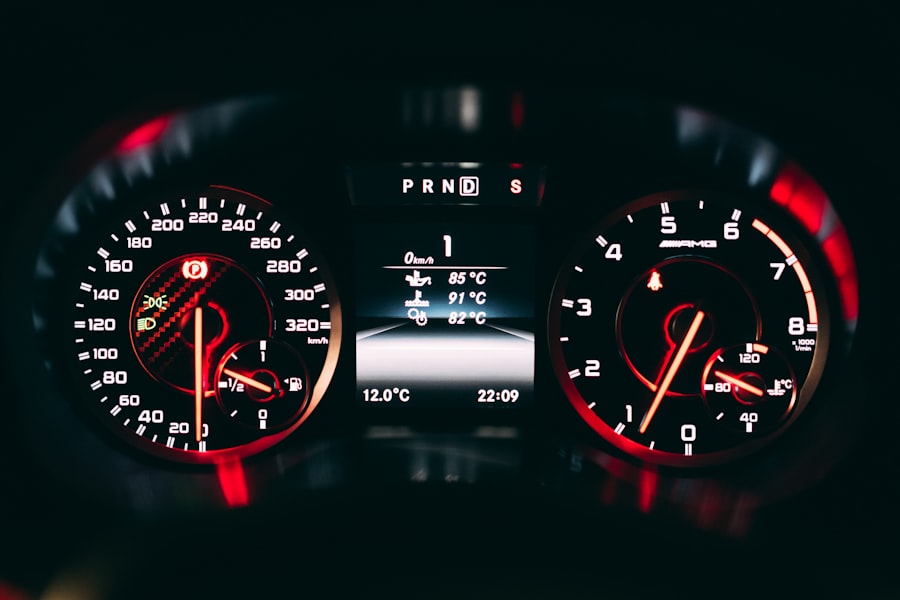
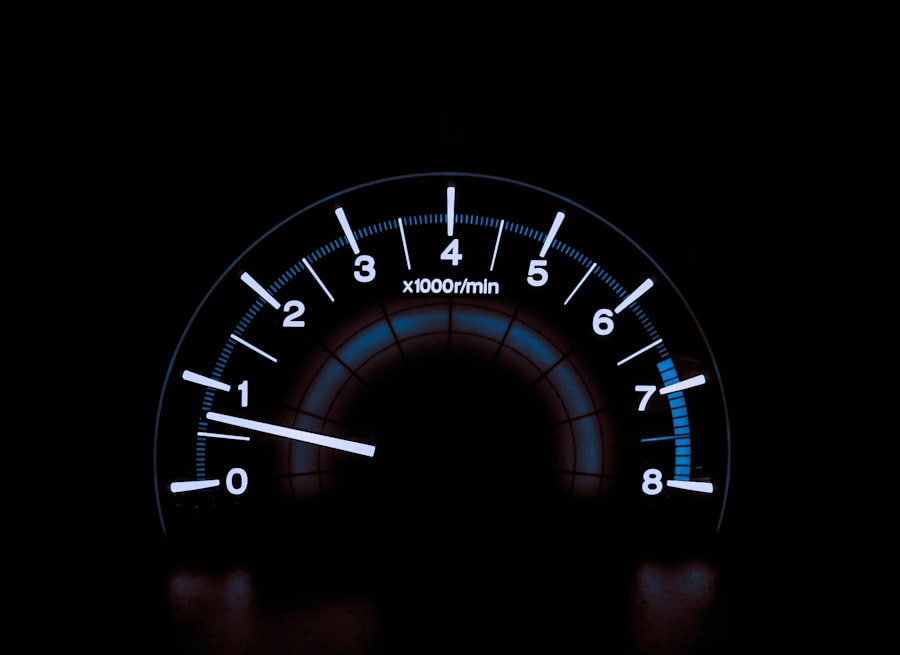
Mileage is the number one concern for anyone buying an ex-taxi Ireland. It is not uncommon to see cars with three hundred thousand or even four hundred thousand kilometers on the clock. While these numbers can be intimidating, they must be viewed in context. Modern diesel and hybrid engines are designed to last for a very long time if they are looked after. A taxi that has been driven daily is often in better health than a car that has sat idle in a driveway for weeks at a time.
However, you must be diligent. Pay close attention to the suspension and the braking system. Taxis spend a lot of time navigating speed bumps and urban potholes which can take a toll on bushings and shocks. When you take a test drive, listen for any knocking or rattling sounds from the underside of the car. Check the condition of the passenger side doors and the boot lid. These are the most used parts of a taxi and will show signs of wear much faster than the drivers side. If the doors close with a solid thud and the hinges feel tight, it is a good sign that the car has not been abused.
Always request the full service history and look for frequent oil changes. In the taxi world, changing the oil every ten thousand kilometers is the standard for longevity, regardless of what the digital dashboard says.
Hybrid batteries and specialized components
Many modern Irish taxis are hybrids. This introduces a specific set of checks for the potential buyer. The Road Safety Authority notes that hybrid and electric vehicles have different failure points compared to traditional internal combustion engines. You should check if the hybrid battery has been replaced or if it has been serviced by a specialist. A high mileage hybrid that has never had its cooling fan cleaned or its battery cells balanced could be a ticking time bomb for an expensive repair. Ask the seller for any receipts related to the hybrid system specifically.
- Check the wear on the rear seats as heavy passenger use can collapse the foam.
- Look for signs of previous equipment mounting such as holes in the dashboard for meters or radios.
- Examine the roof for any signs of paint fading where the taxi sign once sat.
- Verify that the car has been properly decommissioned from the NTA database.
The paperwork and legal transition
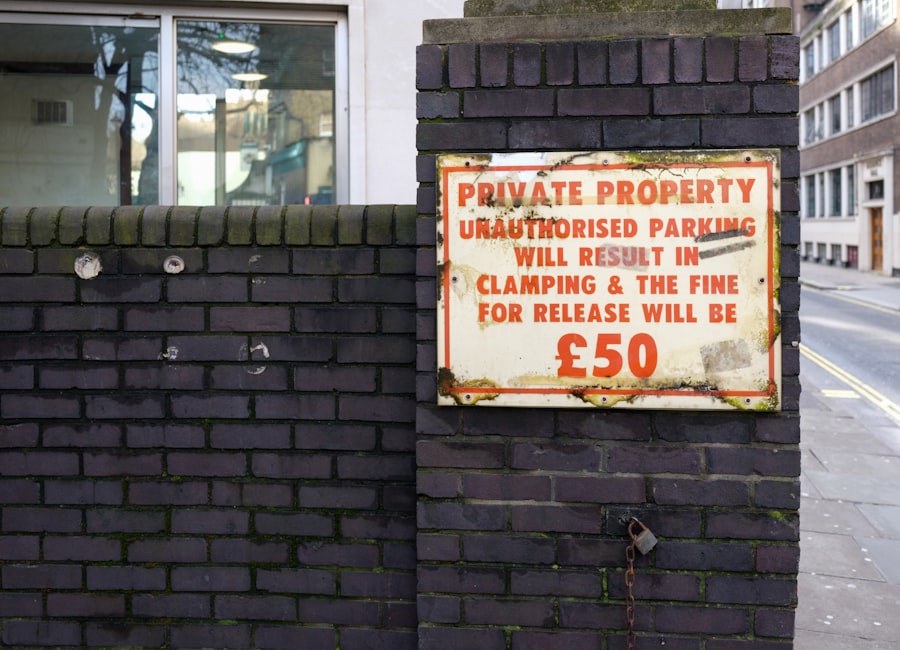
Buying an ex-taxi involves a few more administrative steps than a standard car sale. You need to ensure that the vehicle has been officially removed from the taxi register. This is important for insurance purposes. Most private insurers in Ireland will be hesitant to cover a car that is still listed as a public service vehicle on the system. You should also check the NCT status. Taxis undergo a more frequent and rigorous test called the Suitability Test along with their NCT. A car that has passed these tests consistently is a car that has been kept in a roadworthy condition.
Before you commit to the purchase, it is wise to create an account on a history checking service to verify the mileage. Clocking is unfortunately still a reality in the used car market and taxis are prime targets because of their high usage. Cross reference the mileage on the dashboard with the records held by the NCT centers. If there is a discrepancy of even a few thousand kilometers, you should walk away from the deal immediately. Revenue also requires that any changes in the use of the vehicle are reflected in the vehicle registration certificate. Ensure the seller provides the logbook and that the details are correct.
- Confirm the car has a current NCT certificate that is valid for private use.
- Check the tax class of the vehicle to ensure it is not still registered under the reduced SPSV rate.
- Request a receipt that clearly states the vehicle is being sold for private use.
- Verify the number of previous owners as many taxis are leased or change hands within companies.
Insurance considerations for ex-taxis
This is perhaps the biggest hurdle for buyers. Some insurance companies in Ireland have a blanket policy against insuring former taxis. They perceive them as higher risk due to the sheer number of hours they have spent on the road. Before you hand over any money, call your insurance provider with the registration number. Ask them for a quote and explicitly mention that the car was previously a taxi. It is better to find out now that your premium will be doubled than to find out after the car is sitting in your driveway.
If you are a first time buyer or looking for investment properties and need a cheap runaround to get between sites, the insurance cost might negate the savings you made on the purchase price. Shop around and look for brokers who specialize in unusual risks. They often have access to underwriters who are more willing to look at the actual condition and mileage of the car rather than just its history as a taxi.
Final thoughts on your purchase
Buying an ex-taxi Ireland can be one of the smartest ways to get a high end car on a budget. It requires a level of due diligence that goes beyond a standard car purchase, but the rewards are often worth the effort. By focusing on the maintenance history rather than just the number on the odometer, you can find a vehicle that will serve you faithfully for many years. Look for the signs of a careful owner, check the paperwork thoroughly, and ensure your insurance is sorted before you finalize the deal. With the right approach, that former airport shuttle could become the most reliable car you have ever owned.
Frequently Asked Questions
How can I tell if a car was previously used as a taxi in Ireland?
You can check the National Transport Authority (NTA) public register or look for interior modifications like holes for meters and radio mounts.
Is high mileage on an ex-taxi a reason to avoid purchasing?
Not necessarily, as taxis undergo more frequent NCT tests and strictly scheduled maintenance to keep them on the road legally.
Do I need to inform my insurance provider if a car is an ex-taxi?
Yes, you must disclose the vehicle's history to your insurer to ensure your policy is valid and your premium is calculated correctly.
Are ex-taxis cheaper to buy than regular used cars?
Generally, ex-taxis are priced significantly lower due to their high mileage and the wear and tear associated with constant urban driving.
What are the most common mechanical issues with former taxis?
Suspension components, clutch systems, and seat bolsters often show the most wear due to frequent passenger entry and stop-start city traffic.