Gaeltacht planning permission rules: A Buyer Guide
A guide to the language requirements and Gaeltacht planning permission rules for those looking to build in Irish-speaking areas.
Buying a home or a plot of land in one of Irelands Gaeltacht regions is a dream for many. These areas, spanning parts of Donegal, Galway, Mayo, Kerry, Cork, Meath, and Waterford, offer a unique cultural landscape and a pace of life that is increasingly rare. However, prospective buyers often find themselves navigating a complex web of regulations that differ significantly from standard urban or even rural planning. Understanding the specific Gaeltacht planning permission rules is essential before you commit to a purchase or begin designing a home.
The primary objective of these rules is not to prevent development, but to ensure that any new housing supports the linguistic and cultural integrity of the Irish language. In these districts, the language is not just a heritage feature, it is the living breath of the community. Consequently, planning authorities like Galway County Council or Donegal County Council implement strict criteria to ensure that new residents contribute to, rather than dilute, the local linguistic profile. If you are looking for properties in these regions, you need to be prepared for a process that evaluates your background and your intentions as much as your architectural drawings.
The Linguistic Impact Assessment and Language Requirements
The most distinctive feature of applying for planning in a Gaeltacht area is the requirement for a linguistic impact assessment. In many cases, a developer or an individual applicant must demonstrate how the proposed dwelling will affect the Irish language in the locality. For individual buyers, this often translates into a personal language requirement. You may be asked to prove a certain level of fluency in Irish to satisfy the planning authority that you will integrate into the speaking community.
This is not merely a box ticking exercise. According to the Office of the Planning Regulator, local authorities must align their development plans with the protection of the Gaeltacht. This often results in a condition known as a linguistic occupancy clause. This clause stipulates that the first occupant of the house must be a fluent Irish speaker. In some jurisdictions, this requirement can remain attached to the property for a period of up to fifteen years, meaning that if you decide to sell the property within that timeframe, the new buyer must also meet the same language criteria.
Before purchasing a site, consult with a local planning agent who specializes in Gaeltacht applications. They can provide a realistic assessment of whether you meet the linguistic criteria of the specific County Development Plan before you spend money on detailed architectural plans.
Testing for fluency can vary between councils. Some may require a formal interview or evidence of education through the medium of Irish. Others might look for deep rooted ties to the community where Irish is the primary language of the household. If you are browsing rentals while you wait for a planning decision, it is worth spending that time immersed in the local community to improve your language skills, as this genuine effort is often viewed favorably by local stakeholders.
Local Needs and Sustainable Development
Beyond the language requirements, Gaeltacht areas are almost always subject to rural housing policies that prioritize local needs. This means that simply having the funds to buy a site does not guarantee you the right to build on it. The planning system in Ireland generally seeks to restrict urban sprawl and protect the countryside by ensuring that new houses in the open countryside are for people who truly need to live there. This is especially true in environmentally sensitive Gaeltacht regions.
Defining a Local Rural Need
To qualify under local needs criteria, you typically need to fall into one of several categories defined by the local County Development Plan. These categories often include:
- People who have lived in the local rural area for a continuous period of at least ten years at any stage in their lives.
- Individuals working in a rural based activity, such as farming, fishing, or forestry, in the immediate area.
- People who need to live near an elderly relative to provide care, where no other family member is available to do so.
- Returning emigrants who were born in the area and wish to build a permanent home for their own occupation.
The CSO reported that the population in many rural Gaeltacht districts has seen fluctuations in recent years, which puts pressure on local authorities to balance the need for new housing with the preservation of the landscape. If you cannot demonstrate a genuine local need, your application for a new build may be refused, regardless of your fluency in Irish. In such cases, purchasing an existing dwelling that requires renovation might be a more viable path, as these properties often do not carry the same restrictive occupancy conditions as a new greenfield site.
The Role of Udaras na Gaeltachta
While the local county council is the planning authority, Udaras na Gaeltachta plays a significant role in the economic and social development of these regions. They are frequently consulted on large scale developments and can provide guidance on how a project aligns with the broader goals of Gaeltacht preservation. Their focus is on creating a sustainable economy that allows Irish speakers to remain in their communities. If you are planning a project that includes a business element or a community resource, engaging with Udaras na Gaeltachta early in the process can be very beneficial.

Navigating the Application Process
The process of securing planning permission in these areas is often longer and more expensive than in a standard residential zone. You will need to hire a team that understands both the technical requirements of the site and the cultural requirements of the Gaeltacht planning permission rules. This includes site suitability tests for wastewater treatment, which are particularly stringent in coastal or mountainous Gaeltacht regions where the soil may not easily support traditional septic tanks.
Environmental impact is another major hurdle. Many Gaeltacht areas are located near Special Areas of Conservation or Special Protection Areas. This means you may need to submit a Natura Impact Statement along with your application. The goal is to ensure that your home does not negatively affect local biodiversity or water quality. When you register with Findivo to track local land sales, ensure you are also looking at the environmental designations of the land in question.
- Conduct a pre-planning meeting with the local authority to discuss the linguistic and local needs requirements.
- Ensure your site entrance meets safety standards for road visibility, as many Gaeltacht roads are narrow and winding.
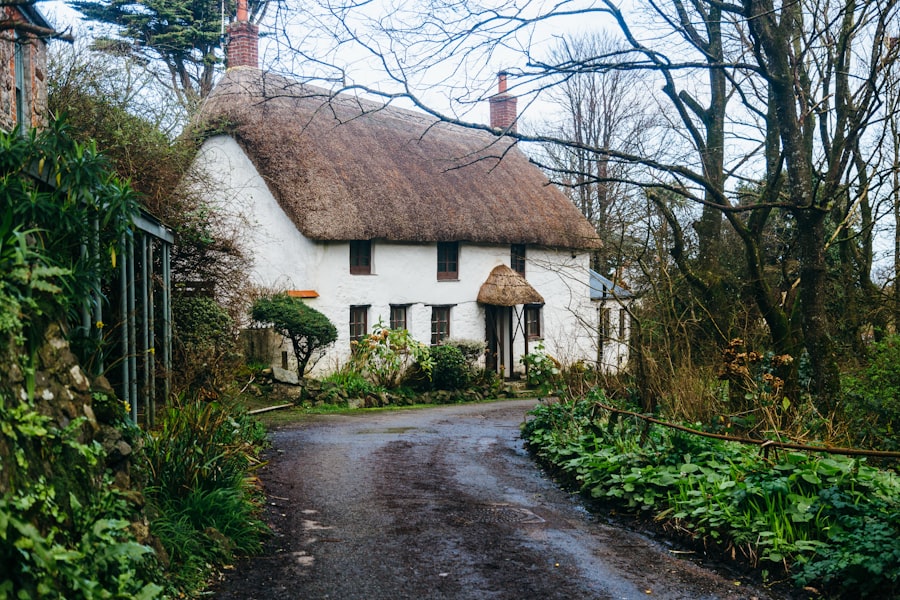
- Design your home to reflect the local vernacular architecture, as modern or overly large designs are often rejected for being out of character with the area.
Long Term Implications for Buyers
Understanding the long term implications of these rules is just as important as getting the initial permission. A house built under a linguistic occupancy clause can be harder to sell in the future. The pool of potential buyers is naturally smaller because any future owner must also meet the language and local needs criteria for a set number of years. This can impact the valuation of the property and its attractiveness to mortgage lenders, though most Irish banks are familiar with these conditions and will lend if the applicant meets all other standard criteria.
However, for those who are committed to the Irish language and the Gaeltacht way of life, these rules are a protection rather than a burden. They ensure that the community you are joining remains vibrant and culturally distinct. It prevents the area from becoming a collection of holiday homes that sit empty for ten months of the year, a situation that has historically harmed the social fabric of many Irish coastal villages. By following the Gaeltacht planning permission rules, you are helping to sustain the very culture that likely drew you to the area in the first place.
If you are in the early stages of your search, it is wise to look at both sites and existing structures. You can find a variety of options on our property listings page. An existing house may allow you to bypass the most rigorous local needs tests, though you should always check the original planning file for any enduring occupancy conditions that might apply to you. Research, professional advice, and a genuine commitment to the local culture are the three pillars of a successful property journey in the Gaeltacht.
Ultimately, the planning process in these regions requires patience. It is a slow conversation between the buyer, the council, and the community. If you approach it with respect for the language and a willingness to integrate, you will find that the rewards of living in such a beautiful and culturally significant part of Ireland far outweigh the bureaucratic challenges of the planning phase.
Frequently Asked Questions
What is a language clause in Gaeltacht planning?
A language clause is a legal condition in a planning grant that requires the occupant of the house to be a fluent Irish speaker.
How do councils test Irish fluency for planning applications?
Applicants often undergo an oral interview or must provide evidence of schooling through Irish to prove they meet the linguistic criteria.
Can I sell a house that has a Gaeltacht language clause?
Yes, but for a set period, usually 15 years, you can typically only sell to another person who meets the language fluency requirements.
Do Gaeltacht planning permission rules apply to renovations?
Rules generally apply to new builds or major changes of use; simple renovations of existing dwellings usually do not trigger language clauses.
Which counties have Gaeltacht planning restrictions?
These rules are primarily found in specific regions of Donegal, Galway, Mayo, Kerry, Cork, Meath, and Waterford.