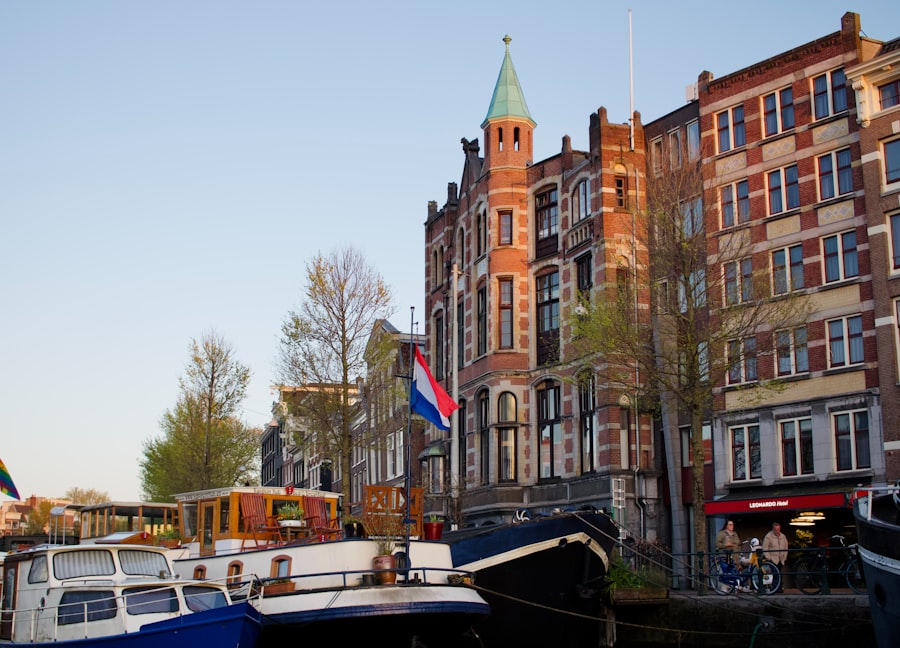
Guide to Houseboat living Ireland
Discover the essentials of Houseboat living Ireland, covering mooring permits and the reality of life on the water.
For those who feel the pull of the water, the transition involves more than just buying a vessel. You are essentially becoming your own utility company. On a boat, you are responsible for your own electricity generation, water supply, and waste disposal. While you might be browsing traditional properties for sale, the water offers a completely different path that appeals to those looking to downsize or live a more intentional life. It is a community driven existence where your neighbors are often your best resource for mechanical advice or a helping hand with a heavy mooring rope.
Choosing the Right Vessel for the Irish Climate
The first hurdle is deciding what kind of boat suits your needs. In Ireland, the two most common choices are narrowboats and wide beam barges. Narrowboats are built to the specific dimensions of the British canal system but are popular here because they are easy to handle and can navigate almost any part of the Irish system. Wide beams offer more internal space, feeling more like a small apartment, but their size can limit where you can travel and where you can find a suitable mooring.
When selecting a boat, the insulation is perhaps the most critical factor. Irish winters are damp and cold, and a steel hull conducts temperature with brutal efficiency. A boat that is not properly spray foam insulated will suffer from heavy condensation, which leads to dampness and mold. Many people choose to install a solid fuel stove, usually burning wood or eco logs, to provide a dry heat that keeps the interior comfortable during the winter months. It is also common to see central heating systems powered by diesel, though these can be expensive to run if the price of fuel fluctuates.
Legal Requirements and Mooring Permits
One of the biggest misconceptions is that you can simply park your boat anywhere for as long as you like. Waterways Ireland manages the majority of the navigable inland waters, including the Shannon, the Erne, and the Grand and Royal Canals. To live on a boat legally, you generally need a mooring permit. There are different types of permits, including winter moorings and extended bankside permits, but official residential moorings with full services are relatively rare and often have long waiting lists.
According to the RTB, traditional residential tenancy laws often do not apply to boat moorings in the same way they apply to land based apartments. This means that your security of tenure might be different from a standard tenant. If you are renting a boat to live on, you should be very clear about what your rights are and what the mooring agreement entails. It is also important to consider the tax implications. Revenue noted that certain vessels used as a primary residence might be subject to specific tax treatments, and if you are importing a boat from outside the state, you must be aware of VAT and potentially VRT if the vessel has a large engine and is used in a certain way.
Always verify the hull thickness with a professional marine survey before purchasing any second hand vessel. A boat that looks beautiful on the inside could have a dangerously thin hull below the waterline, leading to massive repair bills later on.
Navigating the Canal System
Living on the Grand Canal or the Royal Canal offers a unique perspective on the Irish landscape. These waterways are managed with a system of locks that require physical effort to operate. If you plan on being a mobile liveaboard, you will need to get used to the rhythm of the locks and the maintenance schedule of the canals. Waterways Ireland often closes sections of the canal for repairs during the winter, which might influence where you choose to stay during the colder months.
The Shannon Erne Waterway provides a much larger expanse of water and a different style of living. It is more open and can be more exposed to the elements, but it offers a sense of wilderness that is hard to find on the narrow canals. Before you commit to a specific area, it is worth spending time there in both summer and winter to see how the atmosphere changes when the tourist season ends.
The Reality of Maintenance and Utilities
Life on the water is a constant cycle of maintenance. Unlike a house where you might ignore a small leak for a few weeks, a leak on a boat can be a serious issue. You will need to become familiar with marine engines, plumbing, and electrical systems. Most liveaboards use a combination of solar panels and the boat engine to keep their batteries charged. In the height of summer, solar power can provide almost all the electricity you need, but in the winter, you may find yourself running the engine for several hours a day just to keep the lights on and the water pump working.
- Water Management: You will have a fresh water tank that needs regular refilling at designated water points.
- Waste Disposal: Most boats use a pump out system or a compost toilet. You must plan your movements around where you can empty these tanks.
- Fuel Supplies: You will need to source diesel for the engine and heating, as well as gas bottles for cooking.
- Hull Blacking: Every few years, the boat must be taken out of the water to have the hull cleaned and painted with a protective coating.
The Social and Financial Aspects of Houseboat Living Ireland
Financially, houseboat living Ireland can be cheaper than traditional renting, but it is rarely as inexpensive as people initially assume. While you might avoid a massive mortgage, you will face significant costs in maintenance, insurance, and mooring fees. It is a trade off. You are paying for a lifestyle and a view that changes every day rather than just a roof over your head. If you are looking to transition from a car dependent lifestyle, many moorings in urban areas like Dublin or Shannon Harbour are within walking distance of public transport, though you might still find yourself looking for cars for those longer trips to supply stores.
The community is one of the greatest rewards of this lifestyle. There is a shared understanding among boaters. If your engine fails or your water pump breaks, there is usually someone nearby who has faced the same problem and is willing to help. This social fabric is vital, especially during the winter when the towpaths are quiet and the days are short. You are never truly alone on the water, even if you are moored in a remote stretch of the Shannon.
Is Living on a Boat Right for You?
Before you decide to register for a mooring or put a deposit on a barge, you must be honest about your tolerance for discomfort. Can you handle carrying heavy bags of coal down a muddy towpath in the rain? Are you comfortable with the idea of restricted water usage? If the answer is yes, then the rewards are significant. There is a profound sense of peace that comes with living so close to nature. You will see kingfishers, herons, and otters from your kitchen window, and the pace of life slows down to match the speed of the water.
For those not ready to buy, searching for rental options on the water can be a good way to test the lifestyle. Living on a boat for a single winter will tell you everything you need to know about whether you are cut out for the long haul. It is a life that demands resilience and practical skills, but for the right person, it offers a level of freedom and tranquility that a traditional home can never match.
Key Considerations for New Boaters
- Insurance: Marine insurance is essential and often requires a recent survey for older boats.
- Heating: A dry boat is a happy boat. Invest in the best heating system you can afford.
- Connectivity: Reliable internet is possible through mobile routers, but signal strength can vary depending on your location on the canal.
- Storage: You will have to declutter significantly. Every item on a boat needs a purpose and a place.
Ultimately, houseboat living Ireland is about choosing a different rhythm. It is a path that leads away from the noise of the city and towards the quiet corners of the Irish countryside. While it comes with its own set of challenges, the sight of a misty morning on the canal or a sunset over the Shannon makes every bit of hard work worthwhile. If you are prepared for the reality of the work involved, the water is waiting to welcome you home.
Frequently Asked Questions
Do I need a special permit to live on a boat in Ireland?
Yes, you generally require an Extended Mooring Permit from Waterways Ireland to stay in a designated residential area beyond the standard transit limits.
Can I get a mortgage for a houseboat in Ireland?
Traditional Irish mortgages are usually not available for boats; most owners use specialized marine finance or personal loans to fund the purchase.
Is Local Property Tax applicable to houseboats?
No, houseboats are currently exempt from Local Property Tax, though you must pay annual canal wayleaves and mooring fees to the authorities.
Where can I find designated residential moorings?
Residential berths are located along the Grand Canal and Royal Canal, though availability is limited and often managed via a waiting list through Waterways Ireland.
How do houseboat owners manage electricity and waste?
Most residential moorings provide shore power connections and pump-out stations for waste, though some off-grid boats rely on solar panels and composting toilets.