Special Area of Conservation Ireland Guide
Learn the rules for buying a home within a Special Area of Conservation Ireland and how it impacts planning.
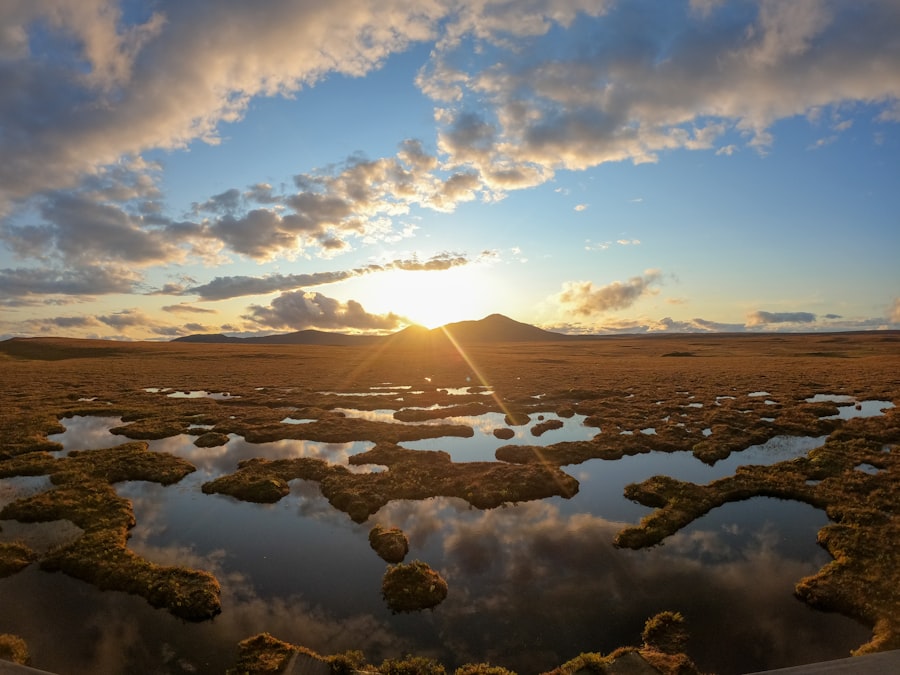
Ireland is world renowned for its rugged landscapes, from the limestone pavements of the Burren to the deep peat bogs of the midlands and the jagged cliffs of the Atlantic coast. While these areas are often seen as playgrounds for hikers or scenic backdrops for tourists, they carry a heavy legal weight for property owners and developers. The designation of a Special Area of Conservation Ireland is a critical part of the countrys environmental strategy, forming a core component of the Natura 2000 network across Europe. These sites are protected under the EU Habitats Directive, which was transposed into Irish law to ensure that our most precious habitats and species are preserved for future generations.
For anyone looking to buy land, develop a property, or manage a farm, understanding what these designations mean is vital. An SAC is not just a badge of beauty, it is a legal framework that dictates what can and cannot happen on a piece of land. Whether you are browsing properties for a dream home or looking at commercial land opportunities, the presence of a conservation order can significantly alter the valuation and the potential of the site. It requires a different approach to planning, a deeper level of environmental reporting, and a long term commitment to biodiversity that goes beyond standard land management practices.
The Legal Framework of Protected Habitats
The concept of the Special Area of Conservation Ireland stems from the necessity to protect specific types of habitats and species that are considered to be in danger of disappearance or are excellent examples of Europes natural heritage. This includes everything from raised bogs and blanket bogs to sand dunes, turloughs, and specific woodlands. The National Parks and Wildlife Service (NPWS) is the primary body responsible for designating these sites. Once a site is proposed, it becomes subject to strict regulations even before its formal designation is finalized.
According to the CSO, land use in Ireland is dominated by agriculture and forestry, which often brings these economic activities into direct contact with conservation goals. The legal protection means that any activity that could significantly affect the integrity of the site must be assessed. This is not limited to large scale industrial projects. Even relatively minor changes in land use, such as the drainage of a field or the removal of ancient hedgerows, can trigger a requirement for a formal assessment. The goal is not to stop all human activity, but to ensure that such activity does not lead to the deterioration of the natural habitats or the disturbance of the species for which the area was designated.
Living and Building in a Special Area of Conservation Ireland
One of the most common questions for those looking at rentals or purchases in rural Ireland is whether they can build on land designated as an SAC. The short answer is that it is possible, but the path to planning permission is much more complex and expensive than on non designated land. When an application is submitted to a local authority for a site within or near an SAC, it must undergo a screening process. This is the first step in determining if the project will have a likely significant effect on the protected area.
If the screening suggests there could be an impact, the applicant is required to provide a Natura Impact Statement (NIS). This is a professional scientific report that examines the potential consequences of the development on the specific conservation objectives of the site. It is not enough to say that the house will look nice or that the sewage system is modern. The report must prove, beyond reasonable scientific doubt, that the development will not adversely affect the integrity of the protected area. This high bar of proof is why many projects in these areas fail to get off the ground or require significant modifications during the design phase.
The Planning Process and Appropriate Assessment
Appropriate Assessment is the term used for this rigorous evaluation process. It is a multi stage exercise that local planners must carry out. If you are planning a renovation or a new build, you should factor in the cost of hiring an environmental consultant early in the process. They will need to look at the site synopsis provided by the NPWS, which lists the specific reasons why that area was protected. For example, if a site is protected for its rare orchid species, your construction plan must ensure that the groundwater levels and soil quality remain completely unchanged.
Identifying SAC Boundaries
Before you commit to a purchase or a lease, it is essential to check the official maps. The NPWS provides interactive mapping tools that show the exact boundaries of every Special Area of Conservation Ireland. Sometimes a boundary might cut right through a field or follow the line of a river. Knowing exactly where the line is drawn can be the difference between a straightforward planning application and a multi year legal battle. It is also worth noting that developments outside the actual boundary can still be restricted if they are deemed to have an impact on the protected site downstream or downwind.
Practical Tip: Always request a folio map and cross reference it with the NPWS Protected Sites map before signing any contracts. If the land falls within an SAC, consult with a planning professional who specializes in environmental law to understand the specific constraints of that particular site synopsis.
Implications for Agriculture and Forestry
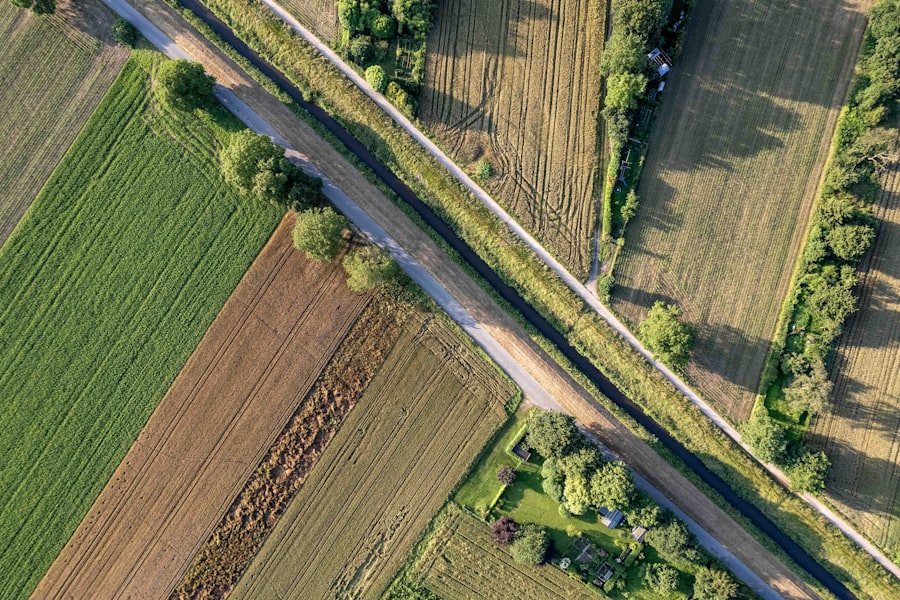
Farmers are the primary custodians of the Irish landscape, and many find their land overlapping with these conservation zones. This relationship can be complex. On one hand, certain traditional farming practices are essential for maintaining some habitats, such as low intensity grazing on upland heaths. On the other hand, intensification, such as increased fertilizer use or higher stocking rates, is often strictly prohibited. Many farmers can access schemes like ACRES (Agri Climate Rural Environment Scheme) which provide financial incentives for farming in a way that supports the conservation objectives of the SAC.
Forestry is another area where the designation has a massive impact. Planting trees might seem like a positive environmental move, but in the context of a protected bog or a specific grassland habitat, afforestation can be seen as a threat. The shadow cast by trees or the change in soil acidity can destroy the very species the SAC was designed to protect. As a result, getting a license to plant or even to fell timber within these zones requires intense scrutiny and often a Natura Impact Statement. This ensures that the delicate balance of the ecosystem is not tipped by commercial forestry interests.
- Maintenance of traditional boundary walls and hedgerows is often a requirement.
- Restrictions on the timing of certain works to avoid bird nesting or fish spawning seasons.
- Prohibitions on the use of certain pesticides or fertilizers near watercourses.
- Requirements for specific types of fencing that allow for the passage of protected wildlife.
Financial Considerations and Future Outlook
From a financial perspective, owning land in an SAC can be a double edged sword. While the designation might limit the development potential and therefore the market value for residential or commercial use, there are certain tax considerations and grants available. Revenue provides specific guidelines on the treatment of heritage assets, and while this usually applies to buildings, the broader landscape management can sometimes fall under environmental tax relief categories in specific agricultural contexts. If you are interested in these types of investments, you might want to register for updates on land availability and agricultural listings.
The trend in Irish and European law is moving toward even tighter protections. By 2026, we expect to see more integrated management plans that look at the connectivity between different SACs. The goal is to create nature corridors that allow species to move across the landscape in response to climate change. This means that even if your land is not currently in an SAC, its proximity to one might become more significant in the coming years. Planning authorities are increasingly looking at the cumulative impact of several small developments on the wider ecological network.
- Increased focus on water quality and its impact on coastal SACs.
- Expansion of protected marine areas to include more offshore habitats.
- Greater integration of biodiversity goals into the national planning framework.
- Enhanced funding for landowners who actively restore degraded habitats within an SAC.
Ultimately, the designation of a Special Area of Conservation Ireland reflects our collective responsibility to the environment. While it introduces layers of bureaucracy and constraint for the individual landowner, it protects the intrinsic value of the Irish countryside. Whether you are a developer, a farmer, or someone looking for a home in the country, viewing these designations as a framework for sustainable living rather than just a set of restrictions is the key to successfully navigating the Irish planning and environmental landscape. By working with the grain of nature rather than against it, it is possible to maintain the balance between human progress and the preservation of our unique natural world.
Frequently Asked Questions
What is a Special Area of Conservation Ireland (SAC)?
An SAC is a prime wildlife conservation area protected under the EU Habitats Directive to safeguard rare habitats and species.
Can I build a house on land designated as an SAC?
Building is significantly more difficult and requires an Appropriate Assessment to prove the project won't harm the protected habitat.
How does SAC status affect my planning application?
You must submit a Natura Impact Statement, which often leads to stricter conditions or higher costs for ecological surveys.
Where can I find a map of SACs in Ireland?
The National Parks and Wildlife Service (NPWS) provides an interactive online map showing all designated conservation boundaries across Ireland.
Are there grants for maintaining an SAC property?
While specific maintenance grants are rare, some agri-environmental schemes like ACRES provide support for farmers managing protected lands.