Subdividing land Ireland: A Step-by-Step Guide
Thinking of selling a garden site? This guide to subdividing land Ireland in 2026 covers the planning and legal essentials you need.
Subdividing a plot of land can be one of the most effective ways to realize the value of your property. Whether you are looking to sell a portion of a large garden to a developer or you want to provide a site for a family member to build their own home, the process involves a specific set of legal and planning hurdles. When you begin the journey of subdividing land Ireland offers a unique landscape of regulations that vary significantly between urban and rural settings. It is rarely as simple as drawing a line on a map and putting up a fence. You need to consider everything from access rights to the capacity of local sewerage systems before you can move forward.
The motivation for subdivision is often financial. With the demand for housing remaining high across the country, a surplus piece of ground that currently requires mowing could instead become a valuable asset. According to the CSO, the number of new dwelling completions has seen significant fluctuations in recent years, but the underlying need for residential space remains a constant driver in the property market. By creating a new title for a portion of your land, you are essentially creating a new product for that market. However, the complexity of the task requires a methodical approach and a clear understanding of the costs involved at the outset.
Evaluating the Potential of Your Land
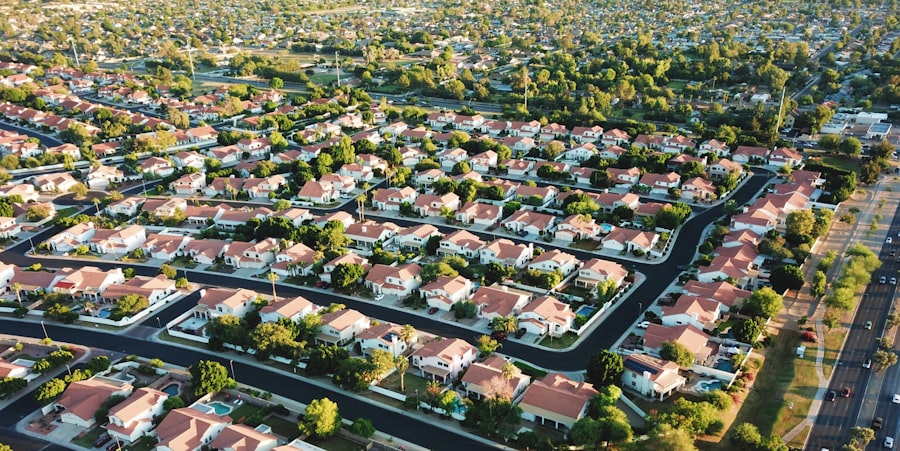
Before you engage a solicitor or an architect, you must determine if your land is actually suitable for subdivision. Not every large garden or field can be split. The first thing you should do is consult the Local Area Plan for your specific district. This document, produced by your local authority, dictates what kind of development is allowed in certain areas. If your land is zoned as residential, you have a much better chance of success than if it is zoned for agricultural or amenity use. Local authorities are often keen to encourage infill development in towns and villages to prevent urban sprawl, which can work in your favor if you own a large corner site in a housing estate.
You also need to look at the physical constraints of the site. A common mistake people make is assuming that because they have enough physical space for a second house, they will automatically get permission to build it. You must consider the impact on your existing home. Factors like overshadowing, overlooking, and the loss of private open space for the original house are all scrutinized by planning departments. If subdividing the land leaves your original house with a tiny garden that does not meet minimum standards, your application is likely to be refused. If you are curious about what is currently being built or sold in your area to get a sense of density, you can search for available plots on our listings page.
Access and Sightlines
One of the most frequent reasons for the refusal of planning permission in Ireland relates to road safety. Every new entrance onto a public road must meet strict criteria regarding sightlines. This means that when a driver is exiting the new site, they must be able to see a certain distance in both directions without their view being obscured by hedges, walls, or bends in the road. In rural areas, these requirements are even more stringent due to higher speed limits. If you cannot achieve the required sightlines on your own land, you might need to reach an agreement with a neighbor to trim their hedge or move a boundary, which can complicate the process significantly.
Services and Drainage
A site is only useful if it can be serviced. You need to investigate where the nearest water mains and sewer lines are located. If the land is in an area without a public sewer, you will need to conduct a percolation test to see if the ground can support a private septic tank or treatment system. The Environmental Protection Agency has strict rules about where these systems can be placed in relation to houses, wells, and boundaries. If the soil is too heavy and water does not drain away, you may find that subdividing the land is not viable from a technical standpoint.
A practical tip for anyone starting this process is to arrange a pre planning consultation with your local authority. This allows you to present a rough sketch of your proposal to a planning officer who can give you an informal opinion on whether the idea aligns with local policies before you spend thousands on formal drawings.
The Planning Permission Process
Once you have established that the land is physically and strategically suitable, the next step is applying for planning permission. In most cases, you will apply for permission to both subdivide the land and build a dwelling on the new site simultaneously. It is quite rare for a council to grant permission to simply split a title without a clear plan for what will happen on the newly created plot. This stage requires the expertise of an architect or a planning consultant who will prepare detailed drawings, including site layouts, elevations, and drainage plans.
During the planning process, your neighbors will have the opportunity to view your plans and submit observations. In Ireland, the culture of third party appeals is quite strong. Even if the local council grants you permission, a neighbor can appeal that decision to An Bord Pleanala, which can add several months to your timeline. It is often helpful to speak with your neighbors before you lodge the application. Explaining your plans and addressing their concerns about privacy or construction noise early on can sometimes prevent formal objections later. If you are looking to move while this process is underway, you might consider renting nearby to stay close to the project.

Legal Steps and the Land Registry
After you have secured planning permission, the work shifts from the drawing board to the legal office. Subdividing land Ireland involves creating a new legal entity for the piece of ground you are separating. Your solicitor will need to draft a new deed of transfer if you are selling the site or a deed of gift if you are giving it to a family member. This process involves a significant amount of paperwork to ensure that the boundaries are clearly defined and that no existing mortgages or burdens on the original property interfere with the new site.
- Appointment of a registered land surveyor to create a Land Registry compliant map.
- Searching the title to ensure there are no restrictive covenants preventing subdivision.
- Drafting of easements for shared services like water pipes or shared driveways.
- Application to the Land Registry to have the new plot given its own unique folio number.
The mapping stage is critical. The Land Registry has very specific requirements for the maps they will accept. If the lines on your map do not match the physical boundaries on the ground or if they overlap with a neighbor folio, the application will be rejected. This is why hiring a professional surveyor who is experienced with the digital mapping systems used by the Property Registration Authority is essential. Once the new folio is created, the site exists as a separate legal property that can be sold, mortgaged, or developed independently of your original home.
Tax Implications and Financial Considerations
It is vital to remember that the taxman will be interested in your subdivision. When you create a new site and sell it, you are effectively disposing of an asset, which triggers a potential liability for Capital Gains Tax. Revenue guidelines state that while your principal private residence is generally exempt from this tax, this exemption only applies to a garden up to one acre. Furthermore, if the value of the land is significantly enhanced by the fact that you obtained planning permission, Revenue may view the sale as a commercial venture rather than the simple sale of a garden. It is wise to get professional tax advice before you finalize any sale.
There are also local authority development contributions to consider. When you receive planning permission to build a new house on a subdivided plot, the council will require you to pay a fee toward local infrastructure like roads, parks, and libraries. These fees can range from a few thousand euro to tens of thousands depending on the size of the house and the location. You should factor these costs into your budget from the very beginning to avoid a nasty surprise when you are ready to start building. If you are managing multiple properties, you may want to create an account on our platform to track market trends and values in your area.
Consider the real world example of a homeowner in suburban Dublin who had a large side garden. By subdividing the land and securing permission for a modest three bedroom detached house, they were able to sell the site for a price that covered their remaining mortgage on the main house. While the process took eighteen months and cost roughly fifteen thousand euro in professional fees and levies, the return on investment was substantial. This shows that while the process is demanding, the rewards for subdividing land Ireland can be life changing for property owners who have the patience to see it through.
Final Considerations for Success
The journey of subdividing land requires a blend of patience, professional advice, and realistic expectations. The Irish planning system is designed to be rigorous to ensure that new developments do not negatively impact the environment or the community. By following the steps correctly and ensuring that you have a solid team of experts behind you, you can successfully navigate the transition from a single property to a subdivided plot with its own distinct value. Whether your goal is to downsize, help a child onto the property ladder, or simply release equity, understanding the local landscape is your first step toward success.
- Always verify the location of underground utilities before finalizing site boundaries.
- Ensure your solicitor checks for any old rights of way that might cross the proposed site.
- Keep a detailed record of all costs incurred for tax offset purposes later.
- Be prepared for delays in the planning process and build a buffer into your financial plan.
Ultimately, the key to subdividing land Ireland is preparation. The more work you do at the start, particularly regarding sightlines and services, the fewer obstacles you will face during the planning and legal stages. Once the new folio is in your hand and the planning permission is granted, you have turned a piece of grass into a valuable piece of Irish real estate.
Frequently Asked Questions
Can I sell a portion of my garden as a building site?
Yes, but you must obtain planning permission for a new dwelling and ensure the site meets minimum size and access requirements.
Do I need a new folio for the split land?
Yes, the Land Registry will require a formal map and deed of transfer to create a new folio for the subdivided portion.
How does site access affect subdivision?
You must demonstrate that the new site has safe road access and doesn't negatively impact traffic safety or existing neighbors.
Are there tax implications when splitting land?
Yes, selling a site from your primary residence may trigger Capital Gains Tax if it exceeds the permitted size for principal private residence relief.
Can I subdivide land in a rural area?
Rural subdivision is strictly governed by local authority 'locals only' needs and development plans, often requiring proof of a housing need.